
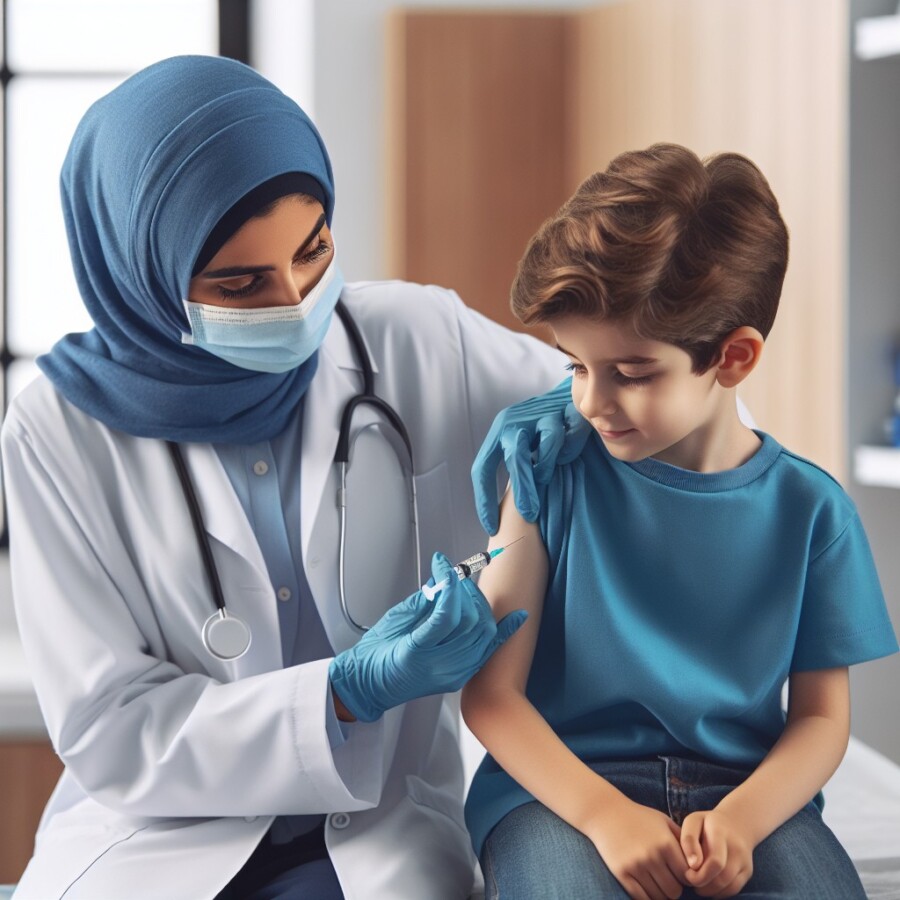
There are now more cases of measles popping up in different parts of England, like London, the North West, Yorkshire, The Humber, the East Midlands, and the West Midlands. In the past month, there have been 166 cases, with 56 of those happening just last week. Measles is really easy to catch and will keep spreading unless more people get vaccinated. If you have measles, you might get a rash and a fever. The West Midlands has the most cases, especially in Birmingham. But the number of cases there is starting to stay the same. Other places with cases include London, the North West, Yorkshire, and The Humber, and the East Midlands.
Most of the people getting sick are kids and young people. You can prevent measles by getting the MMR vaccine. Dr. Vanessa Saliba from the UK Health Security Agency is worried because not enough people in some areas are getting the vaccine. That's why there are more cases happening now. Some parents are getting their kids vaccinated, but there are still lots of kids who aren't protected and could get really sick or have problems for the rest of their lives. Dr. Saliba really wants parents to get their kids vaccinated to keep them safe.
Measles is caused by a virus that spreads when someone coughs or sneezes. Common signs of measles include a high fever, watery and sore eyes, coughing, sneezing, and small white spots inside the mouth. A red or brown rash usually shows up a few days later, starting on the face and behind the ears before spreading to the rest of the body. It can be harder to see the rash on darker skin. Anyone who hasn't been vaccinated can get measles, no matter how old they are. After getting both doses of the MMR vaccine, 99% of people are protected against measles and rubella, and 88% are protected against mumps. The first dose is usually given when a kid is 12 months old, and the second dose is given when they're around three years and four months.
Not enough young kids in England have gotten both doses of the MMR vaccine. The World Health Organization says that at least 95% of kids should get both doses. But only about 85% of kids in England have gotten both doses by the time they turn five, which is the lowest it's been since 2010-11. That means millions of kids under 16 haven't gotten both doses and could be at risk. Measles usually goes away on its own in about a week to 10 days, but it can cause serious problems like pneumonia, meningitis, blindness, and seizures. In some cases, it can even be deadly.
Original news source: England now seeing clusters of measles cases (BBC)
🎧 Listen:
📖 Vocabulary:
Group or Classroom Activities
Warm-up Activities:
– News Summary
Instructions: In pairs, students will read the article and then write a summary of the main points. They should focus on the locations where measles cases are increasing, the importance of vaccination, and the potential risks and complications of measles.
– Opinion Poll
Instructions: Students will work in small groups and discuss their opinions on vaccination and the responsibility of parents to get their children vaccinated. Each group will then conduct a poll within the class to gather opinions from other students. They should record the results and be prepared to share their findings with the class.
– Vocabulary Pictionary
Instructions: Divide the class into two teams. Give each team a set of vocabulary words from the article related to measles and vaccination. One student from each team will come to the front of the class and have one minute to draw pictures that represent the words. The rest of their team must guess the word based on the drawings. The team with the most correct guesses wins.
– Keyword Hangman
Instructions: Write several keywords from the article on the board, leaving out some letters. Students will take turns guessing the missing letters to complete the words. They can use the article as a reference to help them. This activity will reinforce their understanding of the vocabulary used in the article.
– Future Predictions
Instructions: In pairs, students will discuss and make predictions about the future of measles cases in England. They should consider factors such as vaccination rates, public health initiatives, and potential outbreaks. Each pair will then present their predictions to the class, explaining their reasoning behind their predictions.
🤔 Comprehension Questions:
There have been more cases of measles in different parts of England, including London, the North West, Yorkshire, The Humber, the East Midlands, and the West Midlands.
In the past month, there have been 166 cases of measles, with 56 of those happening just last week.
Common signs of measles include a high fever, watery and sore eyes, coughing, sneezing, and small white spots inside the mouth. A red or brown rash usually shows up a few days later, starting on the face and behind the ears before spreading to the rest of the body.
Dr. Vanessa Saliba is worried because not enough people in some areas are getting the MMR vaccine, which is causing more cases of measles to occur.
Measles spreads when someone coughs or sneezes, releasing the virus into the air. If someone breathes in the infected droplets or touches a surface with the virus and then touches their face, they can become infected.
After getting both doses of the MMR vaccine, 99% of people are protected against measles and rubella, and 88% are protected against mumps.
The first dose of the MMR vaccine is usually given when a child is 12 months old.
It is important for kids to get both doses of the MMR vaccine because it provides the best protection against measles, rubella, and mumps. Getting both doses ensures that the immune system is fully prepared to fight off these diseases and prevents serious complications or long-term health problems.
🎧✍️ Listen and Fill in the Gaps:
There are now more of measles popping up in different parts of England, like , the North West, , The Humber, the East Midlands, and the West Midlands. In the past month, there have been 166 cases, with 56 of those happening just last week. Measles is really easy to catch and will keep spreading unless more people get vaccinated. If you have measles, you might get a rash and a fever. The West Midlands has the most cases, especially in . But the number of cases there is starting to stay the same. Other places with cases include London, the North West, Yorkshire, and The Humber, and the East Midlands. Most of the people sick are kids and young people. You can prevent measles by getting the MMR vaccine. Dr. Vanessa Saliba from the UK Security is worried because not enough people in some areas are getting the vaccine. That's why there are more cases happening now. Some parents are getting their kids vaccinated, but there are still lots of kids who aren't protected and could get really sick or have problems for the rest of their lives. Dr. Saliba really wants parents to get their kids vaccinated to keep them safe. Measles is caused by a that spreads when someone coughs or sneezes. Common signs of measles include a high fever, watery and sore eyes, coughing, sneezing, and small white spots inside the mouth. A red or brown rash usually up a few days later, starting on the face and behind the ears before spreading to the rest of the body. It can be harder to see the rash on darker skin. Anyone who hasn't been vaccinated can get measles, no matter how old they are. After getting both of the MMR , 99% of people are protected against measles and rubella, and 88% are protected against mumps. The dose is usually given when a kid is 12 months old, and the second dose is given when they're around three years and four months. Not enough young kids in England have both doses of the MMR vaccine. The World Health Organization says that at least 95% of kids should get both doses. But only about 85% of kids in England have gotten both doses by the time they turn five, which is the lowest it's been since 2010-11. That means of kids under 16 haven't gotten both doses and could be at risk. Measles usually goes away on its own in about a week to 10 days, but it can serious problems like pneumonia, meningitis, , and seizures. In some cases, it can even be deadly.
💬 Discussion Questions:
1. What is measles and why is it spreading in different parts of England?
2. How would you feel if you had measles? Why?
3. Do you like getting vaccines? Why or why not?
4. Do you think it's important for parents to get their kids vaccinated? Why or why not?
5. What is the MMR vaccine and how does it prevent measles?
6. How do you think measles is spread from person to person?
7. Why do you think some parents choose not to get their kids vaccinated?
8. How do you think the measles outbreak could be stopped?
9. Have you or someone you know ever had measles? How did they recover?
10. What are some of the symptoms of measles?
11. Why do you think it's important for young kids to get both doses of the MMR vaccine?
12. How do you think the low vaccination rate in England could affect public health?
13. What are some of the potential complications of having measles?
14. Have you ever had any vaccines? How did you feel afterwards?
15. Do you think the government should make vaccines mandatory? Why or why not?
Individual Activities
📖💭 Vocabulary Meanings:
Click a dot next to a word, then click the dot next to its meaning to draw a line connecting them.
Words
Meanings
🔡 Multiple Choice Questions:
🕵️ True or False Questions:
📝 Write a Summary:
Write a summary of this news article in two sentences.
Check your writing now with the best free AI for English writing!