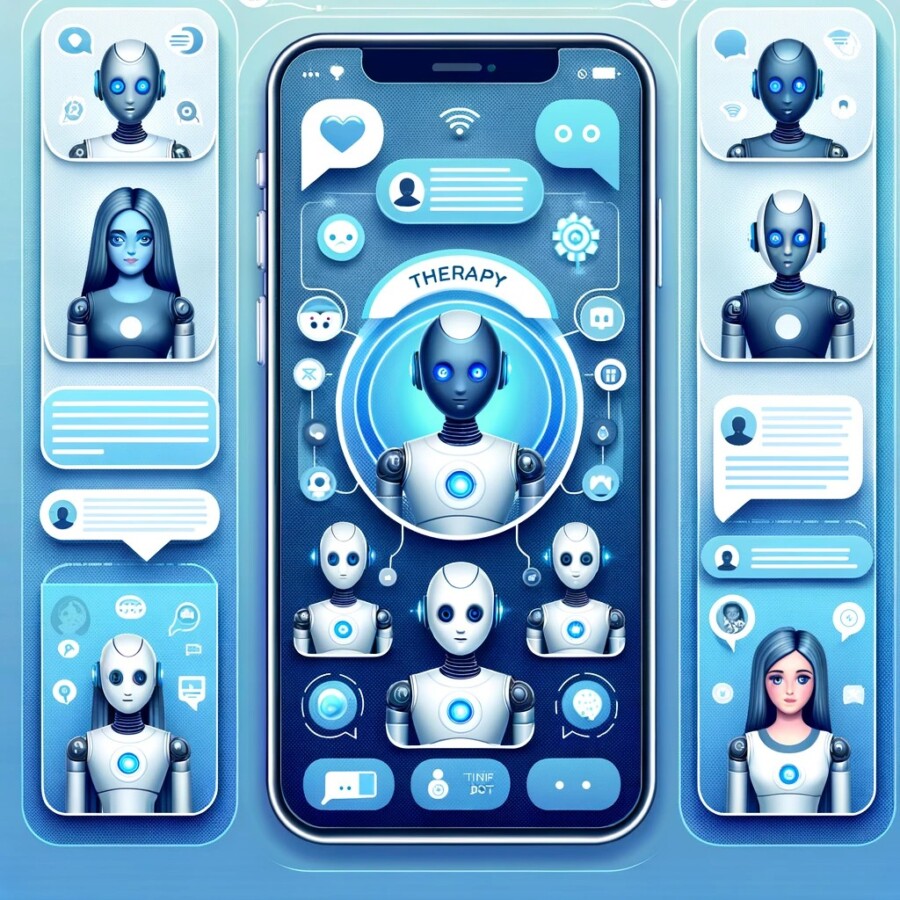
More and more young people are using AI therapist bots for help and advice. One popular platform called Character.ai lets users create chatbots based on real or fictional people. One of the most popular bots is called Psychologist, which has received a total of 78 million messages in just over a year. It's been really helpful for people dealing with mental health issues. Character.ai has lots of other therapy bots too, but some people worry that they might not be as effective as talking to a real person.
Psychologist was trained by a psychology student named Sam Zaia, who used what he learned in his degree to make the bot respond to common mental health problems. Sam knows that a bot can't replace a human therapist completely, but he thinks that AI therapy is appealing to young people because it's always available and can provide comfort.
Character.ai has 475 different bots that can talk to you in different languages. Some are just for fun, but the most popular ones are the ones that help with mental health. However, some professionals worry that the bots might make assumptions and not get all the information they need to help properly.
Even though AI therapy has some downsides, it's becoming really popular with young people who like the quick and spontaneous conversations. It might also show that there's a big need for mental health resources that aren't always available. AI therapy can't replace talking to a real person, but it can be a useful tool for those who need support.
Original news source: Character.ai: Young people turning to AI therapist bots (BBC)
🎧 Listen:
📖 Vocabulary:
Group or Classroom Activities
Warm-up Activities:
– News Summary
Instructions: Divide the class into pairs or small groups. Give each group a few minutes to read the article. Then, ask them to summarize the main points of the article in a brief news summary. Encourage them to use their own words and focus on the most important information. Afterward, have each group share their summaries with the class.
– Vocabulary Pictionary
Instructions: Write a selection of vocabulary words from the article on individual cards or pieces of paper. Divide the class into two teams. One student from each team comes to the front of the class and selects a card. Without speaking, they must use drawings or gestures to help their team guess the word. The team that guesses correctly gets a point. Continue until all the words have been used or the time is up. The team with the most points wins.
– Pros and Cons
Instructions: Divide the class into pairs or small groups. Have them discuss the pros and cons of using AI therapist bots, based on the information in the article. Encourage them to consider both the positive and negative aspects of using AI therapy, such as accessibility, effectiveness, and potential drawbacks. Afterward, have each group share their ideas with the class and facilitate a class discussion on the topic.
– Headline Creation
Instructions: Instruct the students to create a catchy headline for the article. Encourage them to use their creativity and come up with a headline that captures the main idea or message of the article. Afterward, have each student share their headline with the class, and discuss the different approaches and perspectives.
– Future Predictions
Instructions: Ask the students to imagine how AI therapy might evolve in the future. Have them discuss and make predictions about the potential advancements, improvements, and challenges that AI therapy might face. Encourage them to think critically and consider both the positive and negative aspects of future developments. Afterward, have each student share their predictions with the class and facilitate a class discussion on the topic.
🤔 Comprehension Questions:
🎧✍️ Listen and Fill in the Gaps:
More and more young people are AI therapist bots for help and advice. One platform called Character.ai lets users create chatbots on real or people. One of the most popular bots is called Psychologist, which has received a total of 78 million messages in just over a year. It's been really helpful for people dealing with mental health issues. Character.ai has lots of other therapy bots too, but some people that they might not be as effective as talking to a real person. Psychologist was by a psychology student named Sam Zaia, who used what he learned in his to make the bot respond to common health problems. Sam knows that a bot can't replace a human therapist completely, but he thinks that AI is to young people because it's always available and can provide comfort. Character.ai has 475 bots that can talk to you in different languages. Some are just for fun, but the most popular ones are the ones that help with mental health. However, some worry that the bots might make assumptions and not get all the information they need to help properly. Even though AI therapy has some , it's really popular with young people who like the quick and spontaneous . It might also show that there's a big need for mental health resources that aren't always available. AI therapy can't talking to a real person, but it can be a useful tool for those who need support.
💬 Discussion Questions:
1. What is an AI therapist bot?
2. How would you feel if you had to talk to an AI therapist instead of a real person?
3. Do you think AI therapy is a good idea? Why or why not?
4. What are some advantages of using AI therapy?
5. Do you think AI therapy can replace talking to a real person? Why or why not?
6. How do you think AI therapy can be helpful for young people?
7. Have you ever used any AI therapy platforms? If so, what was your experience like?
8. What are some concerns that professionals have about AI therapy?
9. Why do you think AI therapy is becoming popular with young people?
10. Do you think AI therapy can provide the same level of comfort as talking to a real person? Why or why not?
11. What are some downsides of using AI therapy?
12. How do you think AI therapy can be improved?
13. Have you ever used any other online resources for mental health support? If so, what were they like?
14. Do you think there should be more mental health resources available for young people? Why or why not?
15. How do you think AI therapy can be used in conjunction with talking to a real person for mental health support?
Individual Activities
📖💭 Vocabulary Meanings:
Click a dot next to a word, then click the dot next to its meaning to draw a line connecting them.
Words
Meanings
🔡 Multiple Choice Questions:
🕵️ True or False Questions:
📝 Write a Summary:
Write a summary of this news article in two sentences.
Check your writing now with the best free AI for English writing!