Shark spotters in Cape Town, South Africa, are back in action as great white sharks have returned to the area after a four-year absence. In the past, these predators were responsible for fatal attacks on swimmers. While some places resort to killing sharks using nets and baited hooks, this approach harms other marine life. The International Union for Conservation of Nature advocates for non-lethal methods to address the risk from sharks. In Cape Town, the goal is to protect both sharks and people by keeping them apart. A team of professional shark spotters has been operating in the area for over 15 years. Their aim is to prevent negative interactions between people and sharks and strike a balance between recreational water user safety and white shark conservation.
The return of great white sharks is actually welcomed by conservationists as their disappearance has been a cause for concern for the ecology of the waters off Cape Town. The shark spotters monitor five beaches from the surrounding mountainsides, with those at higher elevations in radio contact with colleagues on the beaches. If a potentially dangerous shark is spotted, alerts are issued and the waters are cleared. A flag system is used to indicate the latest status, with a white flag signaling that people should leave the sea immediately. The team also sets up a 350m exclusion net each morning off Fish Hoek beach to create a safe bathing area. The net is placed down to the seabed and across the bay, and is lifted each evening to avoid harming sea life. This unique system has a minimal environmental impact, distinguishing it from traditional fixed shark barriers.
Shark bites are described as incredibly traumatic events that have significant social, economic, and environmental impacts on communities. In Plettenberg Bay, where two fatal shark attacks occurred last year, shark spotters now monitor five beaches and have made over 70 great white shark sightings in a year. The implementation of shark spotters came after the death of Kimon "Kiki" Bisogno, a community worker who was killed in a shark attack. Her partner, Diego Milesi, believes that if a "beware of sharks" sign had been put up after the first accident, Kiki might not have gone swimming. He emphasizes the importance of awareness and understanding of the risks in the waters.
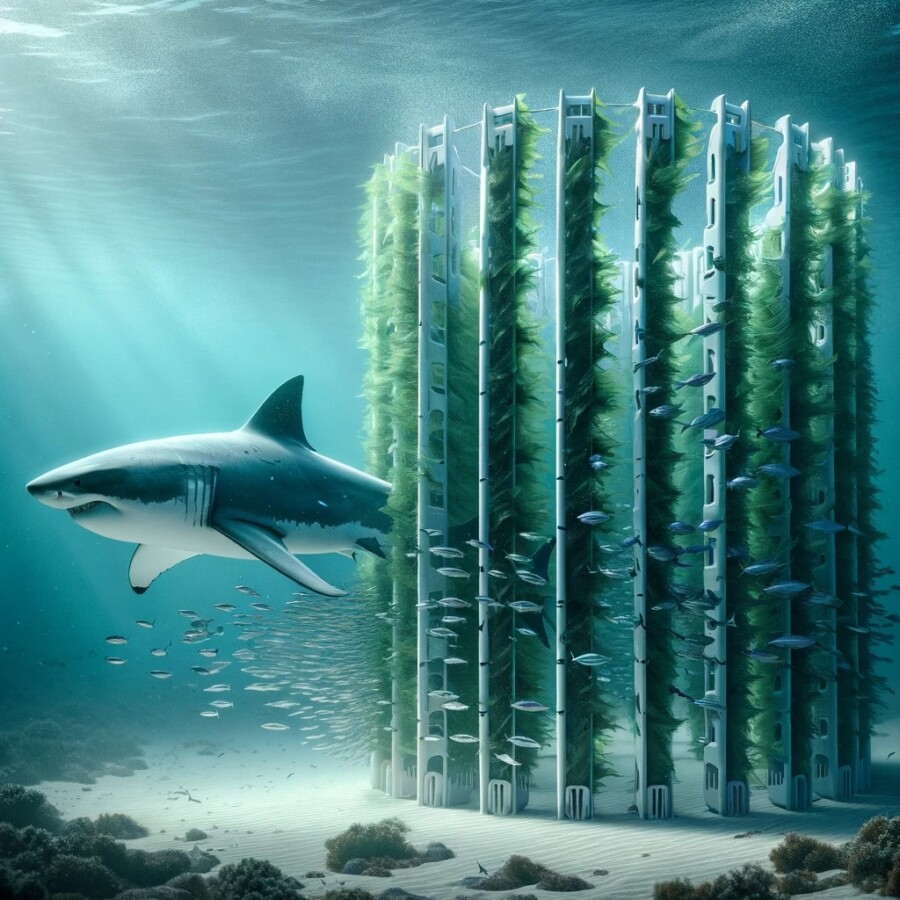
In addition to shark spotters, other non-lethal approaches to dealing with sharks are being explored. A local marine biologist is overseeing the creation of a shark barrier that mimics an underwater forest of kelp, which sharks dislike. The barrier contains magnets that repel sharks, as they are sensitive to electric and magnetic fields. This concept is a change for people and is a hard sell, but it has been successfully tested on a private island in the Bahamas. The marine biologist emphasizes the crucial role of sharks as top predators in maintaining balance in the ecosystem and warns against their removal through culls and deliberate targeting.
Overall, the efforts in Cape Town aim to protect both sharks and people by finding
Original news source: South Africa's shark spotters back in action as great whites return (BBC)
🎧 Listen:
📖 Vocabulary:
Group or Classroom Activities
Warm-up Activities:
– News Summary
Instructions: Divide the class into pairs or small groups. Give each group a few minutes to read the article. Then, ask each group to summarize the main points of the article in a news summary format. They should aim to condense the information into a few sentences or bullet points. Afterward, have each group share their summaries with the class.
– Opinion Poll
Instructions: Divide the class into pairs or small groups. Ask each group to discuss and share their opinions on the topic of shark spotters and non-lethal methods for dealing with sharks. Afterward, conduct an opinion poll by asking each group to vote on whether they agree or disagree with the use of shark spotters and non-lethal methods. Have each group share their reasoning behind their votes.
– Vocabulary Pictionary
Instructions: Write a list of vocabulary words from the article on the board. Divide the class into teams. Each team takes turns choosing a word from the list and drawing a picture to represent that word. The other teams must guess the word based on the drawing. Teams earn points for correct guesses. This activity helps reinforce vocabulary from the article.
– Pros and Cons
Instructions: Divide the class into pairs or small groups. Ask each group to discuss and list the pros and cons of using shark spotters and non-lethal methods for dealing with sharks. Afterward, have each group share their lists and facilitate a class discussion on the advantages and disadvantages of these approaches.
– Future Predictions
Instructions: Ask students to imagine and discuss what they think the future will hold for shark spotters and non-lethal methods for dealing with sharks. Will these methods become more widely adopted? Will new technologies be developed? Will attitudes toward sharks change? Encourage students to think critically and share their predictions with the class.
🤔 Comprehension Questions:
🎧✍️ Listen and Fill in the Gaps:
Shark in Cape Town, South Africa, are back in action as great white sharks have returned to the area after a four-year absence. In the past, these predators were responsible for fatal attacks on swimmers. While some places to killing sharks using nets and baited hooks, this approach harms other marine life. The Union for Conservation of Nature advocates for non-lethal methods to address the risk from sharks. In Cape Town, the goal is to protect both sharks and people by keeping them apart. A team of professional shark spotters has been operating in the area for over 15 years. Their aim is to prevent negative interactions between people and sharks and a balance between recreational water user safety and white shark conservation. The return of great white is actually welcomed by conservationists as their has been a cause for concern for the ecology of the waters off Cape Town. The shark spotters monitor five beaches from the surrounding mountainsides, with those at higher elevations in contact with colleagues on the beaches. If a potentially dangerous shark is spotted, alerts are issued and the waters are cleared. A flag system is used to indicate the latest status, with a white flag signaling that people should leave the sea immediately. The team also sets up a 350m exclusion net each off Fish Hoek beach to create a safe bathing area. The net is placed down to the seabed and across the bay, and is lifted each evening to avoid harming sea life. This unique system has a minimal environmental impact, distinguishing it from traditional fixed shark barriers. Shark bites are as incredibly traumatic events that have significant social, economic, and environmental impacts on communities. In Plettenberg Bay, where two fatal shark attacks occurred last year, shark spotters now monitor five beaches and have made over 70 great white shark sightings in a year. The implementation of shark spotters came after the death of Kimon "Kiki" , a community who was killed in a shark attack. Her partner, Milesi, believes that if a "beware of sharks" sign had been put up after the first accident, Kiki might not have gone swimming. He emphasizes the importance of awareness and understanding of the risks in the waters. In addition to shark spotters, other non-lethal approaches to dealing with sharks are being explored. A local marine biologist is overseeing the creation of a shark barrier that mimics an underwater forest of kelp, which sharks . The barrier contains magnets that repel sharks, as they are sensitive to electric and magnetic . This concept is a change for and is a hard sell, but it has been successfully tested on a private island in the Bahamas. The marine biologist emphasizes the crucial role of sharks as top predators in maintaining balance in the ecosystem and warns against their removal through culls and deliberate targeting. Overall, the in Cape Town aim to protect both sharks and people by finding
💬 Discussion Questions:
1. What is your opinion on using non-lethal methods to address the risk from sharks?
2. How would you feel if you encountered a great white shark while swimming in the ocean?
3. Do you think it is important to protect sharks as top predators in the ecosystem? Why or why not?
4. Have you ever had an encounter with a shark or any other dangerous marine animal? Can you describe it?
5. What do you think about the idea of using a shark barrier that mimics an underwater forest of kelp?
6. How do you think the return of great white sharks to Cape Town will impact the local ecology?
7. Do you think it is the responsibility of humans to protect themselves from sharks, or the responsibility of sharks to avoid humans? Why?
8. What are some potential social, economic, and environmental impacts of shark bites on communities?
9. How would you feel if you saw a white flag signaling that you should leave the sea immediately due to a potentially dangerous shark?
10. Do you think shark spotters should be implemented in all areas where shark attacks are a risk? Why or why not?
11. Have you ever seen a shark in the wild? If so, what was your reaction?
12. How do you think the use of magnets to repel sharks in a shark barrier could impact the marine ecosystem?
13. Do you like swimming in the ocean? Why or why not?
14. What measures do you think should be taken to raise awareness and understanding of the risks in the waters?
15. How do you think the presence of great white sharks in Cape Town will affect recreational water activities?
Individual Activities
📖💭 Vocabulary Meanings:
Click a dot next to a word, then click the dot next to its meaning to draw a line connecting them.
Words
Meanings
🔡 Multiple Choice Questions:
🕵️ True or False Questions:
📝 Write a Summary:
Write a summary of this news article in two sentences.
Check your writing now with the best free AI for English writing!