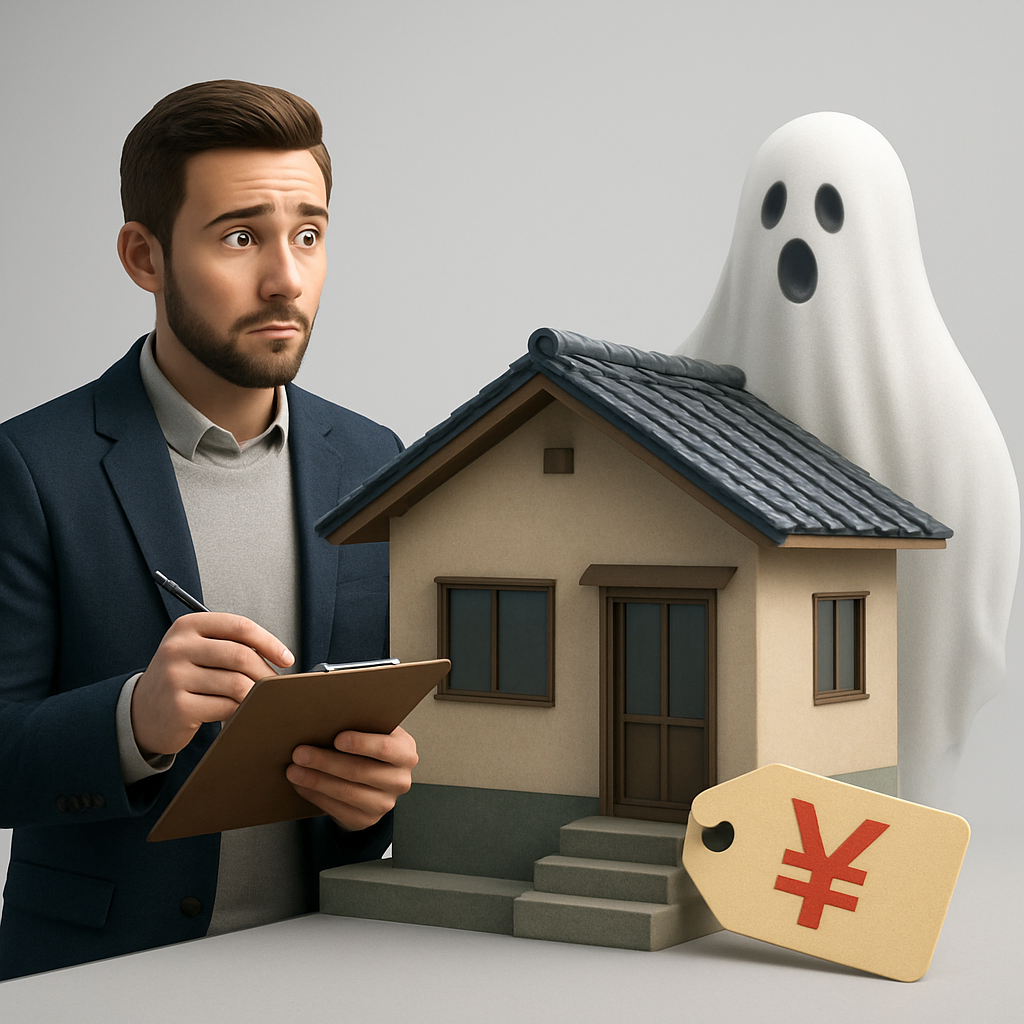
Ryua, a young woman living in Tokyo, claims to share her apartment with a ghost. On her initial visit to the property, she saw a man standing and glaring at her, invisible to the estate agent. Ryua decided that the ghost was harmless and ultimately chose to stay there permanently.
In Japan, ghosts, known as "yuurei," are spirits of the departed who experienced a lonely or tragic end. Properties where deaths or violent events occurred are termed "jiko bukken" and are typically cheaper. Ryua managed to secure her apartment at a 30% discount due to its history of a prior tenant's suicide.
The cultural beliefs in Japan about these yuurei make many people hesitant to buy or rent such properties. They tend to shy away from houses near cemeteries or ones with tragic pasts. However, Ryua sees it differently, believing that ghosts were once humans deserving of respect.
The availability of these discounted homes appeals to those less concerned about spiritual matters. Websites even list these stigmatized properties, making it easier for potential buyers or renters to discover these deals. With rising house prices, Japan sees more interest in these properties from people looking for affordable living options.
13. culturalrelating to the habits, beliefs or practices of a group
14. discouragedpersuaded not to do something
15. spiritualrelating to the soul or religious matters
Group or Classroom Activities
Warm-up Activities:
1. Have you ever heard a ghost story? Share it with the class. 2. What do you think about supernatural phenomena? 3. How important is it to know the history of a place before moving in? 4. Where would you choose to live if price wasn't an issue? 5. Discuss cultural beliefs about ghosts in different countries.
🤔 Comprehension Questions:
1. What did Ryua see when she first visited her apartment?
Ryua saw a ghostly man glaring at her.
2. How did Ryua manage to get a discount on her apartment?
The apartment was cheaper because it was a 'jiko bukken,' a place where a tenant had previously died.
3. What reasons do people in Japan have for avoiding certain properties?
Many avoid properties due to cultural beliefs about ghosts and their tragic pasts.
4. Why does Ryua not mind living with a ghost?
Ryua believes the ghost is harmless and deserves respect.
5. How do websites help people find stigmatized properties?
Websites list these properties, making them easy to find for those interested.
6. What term in Japan describes properties where deaths or violent events have occurred?
These properties are called "jiko bukken."
7. Why is there increased interest in these discounted homes in Japan?
Rising house prices make affordable options more attractive.
🎧✍️ Listen and Fill in the Gaps:
Ryua, a young woman in Tokyo, claims to her apartment with a ghost. On her initial visit to the property, she saw a man standing and glaring at her, invisible to the . Ryua decided that the ghost was harmless and ultimately chose to stay there permanently. In Japan, ghosts, known as "," are spirits of the departed who experienced a lonely or tragic end. Properties where or violent are termed "jiko bukken" and are typically cheaper. Ryua managed to secure her apartment at a 30% discount due to its history of a prior . The cultural in Japan about these yuurei make many people hesitant to buy or rent such . They tend to shy away from houses near cemeteries or ones with tragic pasts. However, Ryua sees it differently, believing that ghosts were once humans deserving of respect. The of these discounted homes appeals to those less concerned about spiritual . Websites even list these properties, it easier for potential buyers or renters to discover these deals. With rising house prices, Japan sees more interest in these properties from people looking for affordable living options.
💬 Discussion Questions:
1. Would you live in a house with a ghost if the rent was cheap? 2. How do cultural beliefs influence your decisions? 3. Do you think stigmatized properties are a good deal? 4. How would you handle living in a so-called haunted house? 5. Would you buy a property if it was near a cemetery? 6. What other factors are important when choosing a home? 7. Do you think houses possess energy from previous residents? 8. How do you feel about the concept of the supernatural? 9. How can society better respect those who have passed away? 10. Do you believe in ghosts? Why or why not? 11. Is saving money more important than comfort or peace of mind? 12. How does media impact our views on ghosts and hauntings?
Individual Activities
📖💭 Vocabulary Meanings:
Click a dot next to a word, then click the dot next to its meaning to draw a line connecting them.
Words
1. glaring
2. estate
3. permanently
4. departed
5. violent
6. secure
7. tenant
8. hesitant
9. cemeteries
10. stigmatized
11. potential
12. affordable
13. cultural
14. discouraged
15. spiritual
Meanings
(A) relating to the soul or religious matters
(B) burial grounds
(C) a large piece of land or property
(D) involving physical force
(E) staring with intensity
(F) relating to the habits, beliefs or practices of a group
(G) to obtain or achieve
(H) persuaded not to do something
(I) marked by shame or disapproval
(J) reasonably priced
(K) forever
(L) deceased
(M) a person who rents a property
(N) uncertain or reluctant
(O) possible or capable
🔡 Multiple Choice Questions:
1. What did Ryua see during her first visit to the apartment?
(a) A beautiful garden
(b) A man glaring at her
(c) A broken window
(d) A leaking roof
2. Why was Ryua's apartment cheaper?
(a) It was too small
(b) It was far from the city
(c) A prior tenant's suicide
(d) It had no windows
3. What do "yuurei" refer to in Japan?
(a) Ghosts
(b) Cats
(c) Cherry blossoms
(d) Traditional food
4. Why do people avoid properties near cemeteries?
(a) Due to cultural beliefs
(b) Noise pollution
(c) High prices
(d) Lack of transportation
5. How does Ryua view the ghost in her apartment?
(a) As frightening
(b) As harmless and deserving of respect
(c) As entertaining
(d) As completely imaginary
6. What is a "jiko bukken"?
(a) A luxurious mansion
(b) A modern apartment
(c) A commercial office
(d) A stigmatized property
7. What makes these properties appealing to some buyers?
(a) High quality
(b) Unique design
(c) New construction
(d) Discounted prices
8. How are these stigmatized properties listed?
(a) In newspapers
(b) Through direct mail
(c) On websites
(d) By word of mouth
🕵️ True or False Questions:
1. Websites conceal stigmatized properties.
2. "Yuurei" are spirits of those who lived happily or together.
3. Ryua believes ghosts deserve disrespect.
4. Many Japanese embrace houses with a tragic past.
5. Discounted homes appeal to less spiritually concerned people.
6. Ryua decided to live in the apartment despite the ghost.
7. Rising house prices lead to more interest in affordable homes.
8. 3. "Jiko bukken" are usually cheaper properties.
Writing Questions:
✍️ Write and get instant corrections · 0/5
1. Write about a place you visited that felt eerie or strange.Free · instant corrections
2. Describe your thoughts on cultural beliefs regarding the supernatural.Free · instant corrections
3. Explain why you would or wouldn't live in a stigmatized property.Free · instant corrections
4. Discuss how a property's history might impact its value.Free · instant corrections
5. Write a letter to a friend explaining why you'd consider living in a haunted house.Free · instant corrections
Elon Musk’s social media platform, X, is introducing two new tiers of premium subscriptions, one with ads and one ad-free, as part of his efforts to combat bots and fake accounts.
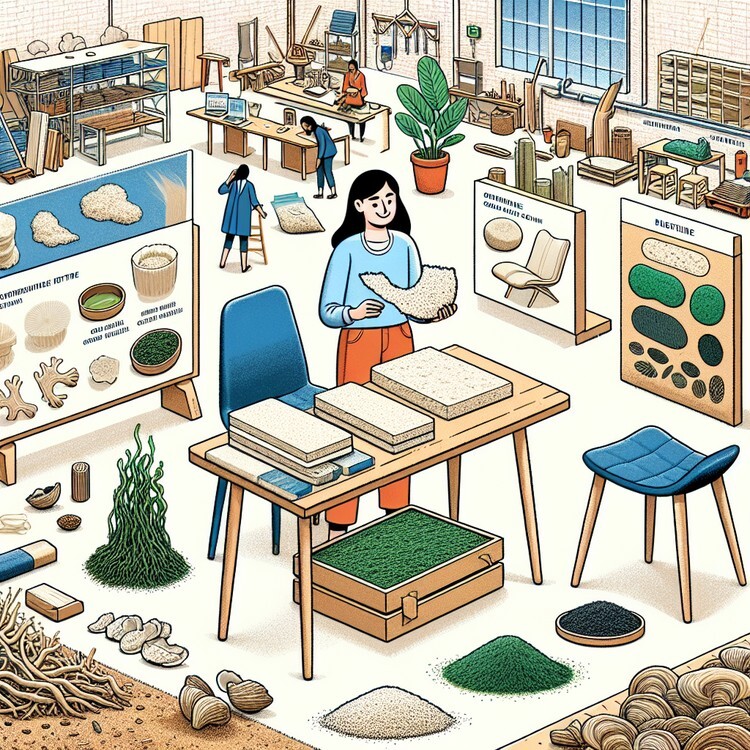
Celine Sandberg is using unconventional materials like crushed oyster shells and seaweed to create sustainable furniture and reduce plastic waste in the industry.