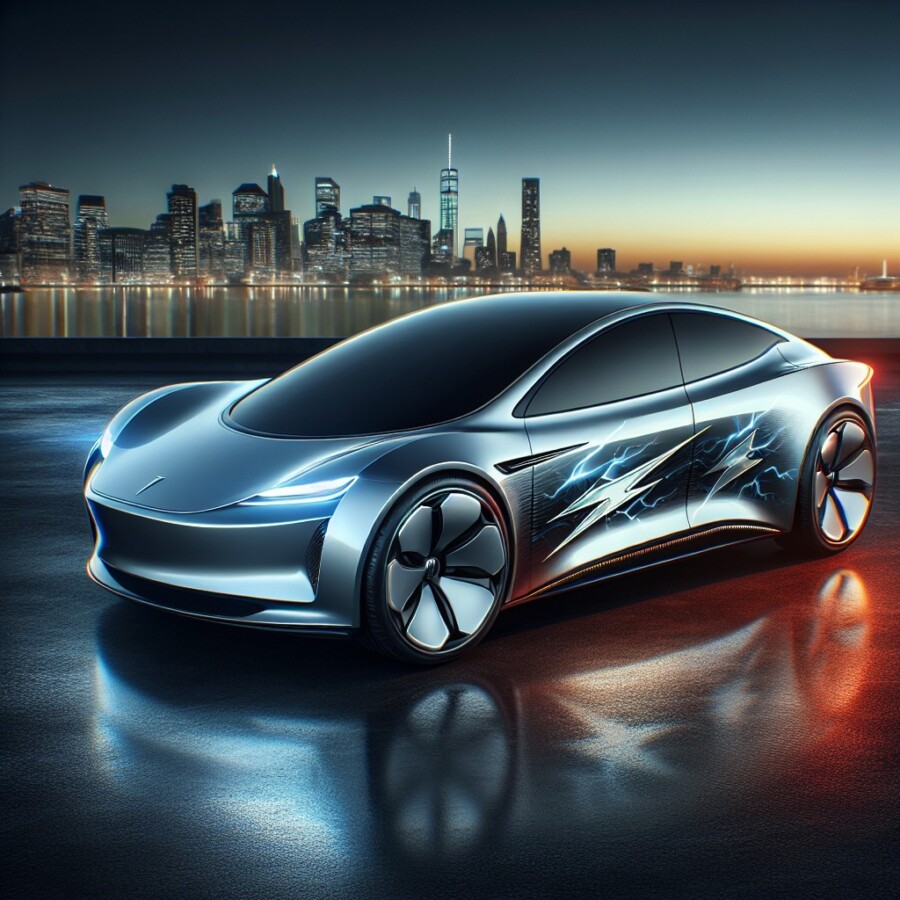
Technology plays a significant role in improving pedestrian safety. Safety features such as pedestrian airbags, pop-up bonnets, and automatic emergency braking (AEB) systems are being integrated into new vehicles to reduce the impact of collisions. However, the cost of these features remains a concern for drivers, and manufacturers are working to make them more affordable.
One challenge in vehicle safety design is the integration of features that specifically protect vulnerable road users. For instance, windscreen pillars and the top of the windscreen pose significant danger points for cyclists and pedestrians. Volvo has introduced pedestrian airbags and pop-up bonnets to address these risks, but the adoption of these innovations across other models has been slow.
In addition to passive safety features, active safety technologies like AEB are crucial in preventing accidents. AEB systems are becoming more sophisticated, using sensors such as lidar and radar to detect not only pedestrians but also other vulnerable road users like cyclists. Furthermore, speed and the size of vehicles also play a critical role in the severity of impacts, with larger vehicles like SUVs posing a greater risk to pedestrians.
Regulations and safety assessments for vehicles are evolving to prioritize pedestrian protection. For example, the European New Car Assessment Programme (Euro NCAP) has incorporated dooring into its safety assessments, and the National Highway Traffic Safety Administration (NHTSA) in the US is considering safety rules for pedestrian protection. Ultimately, the goal is to prevent tragic accidents caused by traffic violence and improve vehicle design through regulations.
Original news source: How to make cars less dangerous for pedestrians (BBC)
📖 Vocabulary:
Group or Classroom Activities
Warm-up Activities:
– News Reporter Role-play
Instructions: Split the class into pairs. One student plays the role of a news reporter, the other is an expert on vehicle safety technologies. The reporter interviews the expert about the latest advancements in pedestrian safety features mentioned in the article, such as pedestrian airbags, pop-up bonnets, and AEB systems. The goal is to create an informative news segment that could be broadcasted on TV.
– Opinion Poll
Instructions: Ask students to stand in a line in the middle of the classroom. Read out statements related to pedestrian safety and vehicle design, such as "Pedestrian safety should be prioritized over vehicle cost" or "SUVs should be redesigned to be safer for pedestrians." Students move to one side of the room if they agree or to the other side if they disagree. After each statement, select a few students to explain their position.
– Article Timeline
Instructions: Provide students with key events and advancements in pedestrian safety from the article. Ask them to work in groups to create a timeline that traces the development of pedestrian safety features in vehicles, including regulations and technological advancements. They can use a large piece of paper or the board to present their timelines to the class.
– Vocabulary Pictionary
Instructions: Write down key vocabulary from the article (e.g., "pedestrian airbags," "automatic emergency braking," "lidar," "traffic violence") on slips of paper. Students take turns drawing a slip and illustrating the term on the board without using any letters or numbers. The rest of the class tries to guess the vocabulary based on the drawing.
– Think-Pair-Share
Instructions: Pose a question to the class, such as "How can cities better protect vulnerable road users?" or "What additional safety features should manufacturers be required to include in new vehicles?" Students first think about their answers individually, then pair up with a classmate to discuss their thoughts. Finally, each pair shares their ideas with the whole class, fostering a group discussion.
🤔 Comprehension Questions:
Jessica Hart is a member of the campaign group DC Families for Safe Streets, and she advocates for better-designed streets, more attentive drivers, and safer vehicles, especially with regards to the safety of pedestrians and other vulnerable road users.
The three safety features mentioned are pedestrian airbags, pop-up bonnets, and automatic emergency braking (AEB) systems.
The main concern for drivers regarding the new safety features is the cost of integrating these technologies into vehicles.
The danger points for cyclists and pedestrians that vehicle safety design needs to address include windscreen pillars and the top of the windscreen.
Volvo has attempted to mitigate these risks by introducing pedestrian airbags and pop-up bonnets.
Advanced AEB systems are using sensors such as lidar and radar to detect pedestrians and cyclists.
The size and speed of vehicles affect the severity of impacts with pedestrians, with larger vehicles like SUVs posing a greater risk due to their mass and the higher impact force they can exert.
The two safety assessment programs mentioned are the European New Car Assessment Programme (Euro NCAP) and the National Highway Traffic Safety Administration (NHTSA) in the US. Euro NCAP has incorporated dooring into its safety assessments, and the NHTSA is considering safety rules for pedestrian protection.
🎧✍️ Listen and Fill in the Gaps:
Making cars for pedestrians is a crucial issue, as vulnerable road users such as pedestrians, , and scooter riders are at risk of accidents. Jessica Hart, a member of the group DC Families for Safe Streets, advocates for better-designed streets, more drivers, and safer vehicles. She highlights that the safety of people outside of cars is often overlooked when people buy vehicles, as their focus is primarily on price and perceived safety for the driver and passengers. Technology plays a significant role in improving pedestrian safety. features such as pedestrian airbags, pop-up bonnets, and automatic emergency braking (AEB) systems are being integrated into new vehicles to reduce the impact of collisions. However, the cost of these features remains a concern for drivers, and manufacturers are working to make them more affordable. One challenge in vehicle safety design is the integration of features that specifically vulnerable road users. For instance, pillars and the top of the windscreen pose significant points for cyclists and pedestrians. Volvo has introduced pedestrian airbags and pop-up bonnets to address these risks, but the adoption of these innovations across other models has been slow. In addition to passive safety features, safety technologies like AEB are crucial in preventing accidents. AEB systems are becoming more sophisticated, using sensors such as and to detect not only pedestrians but also other vulnerable road users like cyclists. Furthermore, speed and the size of vehicles also play a critical role in the of impacts, with larger vehicles like SUVs posing a risk to s. Regulations and safety assessments for vehicles are evolving to prioritize pedestrian protection. For example, the European New Car Assessment Programme (Euro NCAP) has incorporated dooring into its safety assessments, and the National Highway Safety Administration (NHTSA) in the US is considering safety rules for pedestrian protection. Ultimately, the goal is to prevent tragic accidents caused by violence and improve vehicle design through regulations.
💬 Discussion Questions:
1. What are some ways you think streets in your community could be redesigned to enhance pedestrian safety?
2. How would you feel if the government mandated that all new cars include pedestrian safety features like airbags and AEB systems?
3. Do you think the cost of adding pedestrian safety features to vehicles is justified? Why or why not?
4. What is your opinion on the balance between vehicle size and pedestrian safety, especially regarding larger vehicles like SUVs?
5. How do you feel about the speed limits in urban areas where pedestrians and cyclists are present?
6. Do you like the idea of technology like lidar and radar being used in cars to protect pedestrians? Why or why not?
7. What is your experience with driver-focused vehicle marketing? Do you think it overlooks the safety of pedestrians?
8. How would you feel if your car had a pop-up bonnet to protect pedestrians in an accident?
9. Do you think car manufacturers are doing enough to make pedestrian safety features more affordable? Why or why not?
10. What is your opinion on the role of education in improving driver attentiveness to vulnerable road users?
11. How do you feel about the ethical implications of car design prioritizing passenger safety over pedestrians?
12. Do you think regulations like the Euro NCAP's inclusion of dooring in safety assessments will significantly improve pedestrian safety? Why or why not?
13. How would you feel if pedestrian protection features in cars led to an increase in insurance premiums?
14. What is your opinion on the current state of pedestrian safety in your area? Do you think it's adequate or in need of improvement?
15. Do you think the integration of advanced safety features will eventually lead to autonomous vehicles being the safest option for pedestrians? Why or why not?
Individual Activities
📖💭 Vocabulary Meanings:
Click a dot next to a word, then click the dot next to its meaning to draw a line connecting them.
Words
Meanings
🔡 Multiple Choice Questions:
🕵️ True or False Questions:
📝 Write a Summary:
Write a summary of this news article in two sentences.
Check your writing now with the best free AI for English writing!