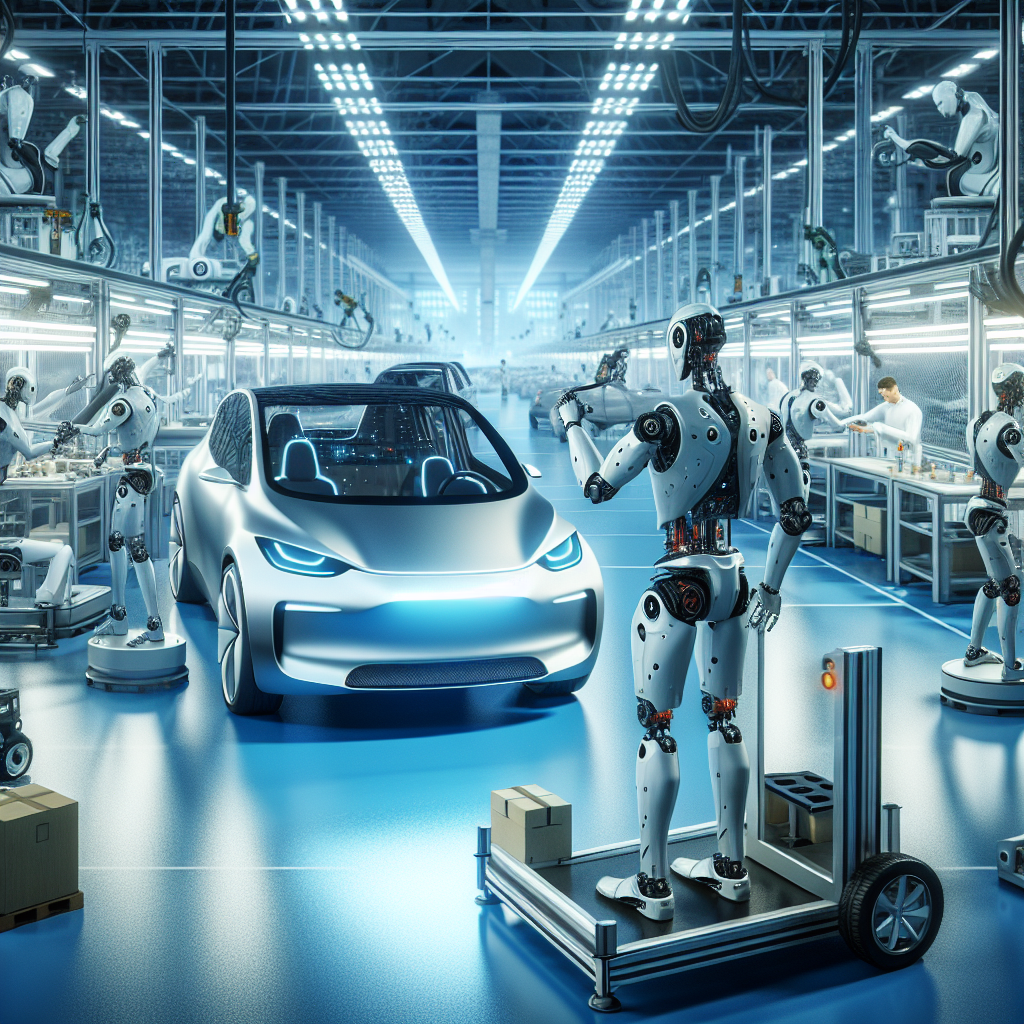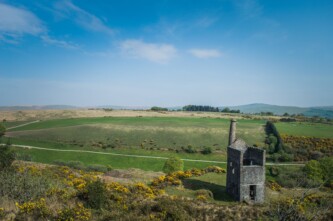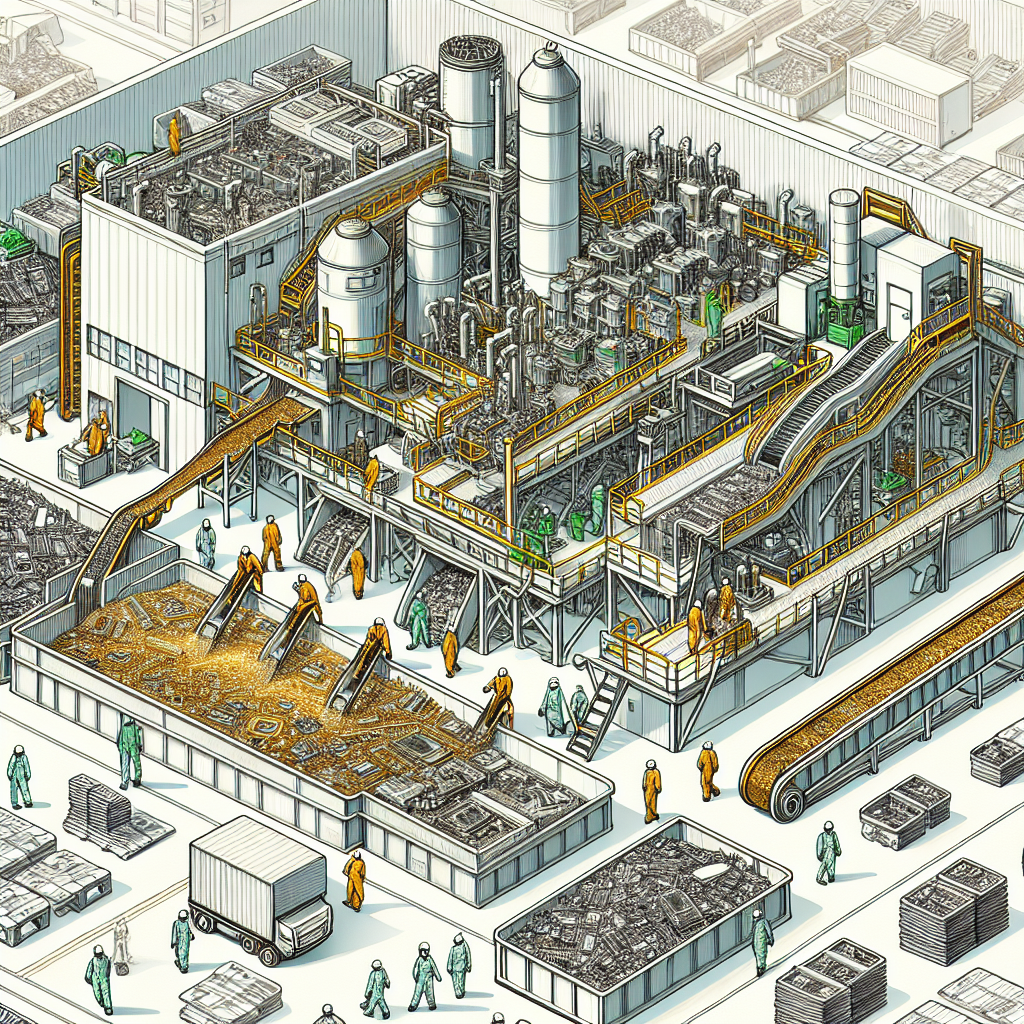
Uruguay recently saw the opening of one of the world's largest pulp mills, the UPM Paso de Los Toros facility. This occurred during the country's worst-ever drought, sparking debates about the industry's water usage. The mills turn wood into cellulose, which is then exported for paper production. The new facility is expected to double Uruguay's total cellulose output, raising concerns about its impact on water resources.
UPM claims to be implementing water-saving technologies to reduce its water usage. For instance, the company recycles water multiple times before treating and discharging it back into the river. However, environmentalists are worried about potential water pollution from the treated waste water and its impact on the local ecosystem.
In addition to water usage, concerns have been raised about the impact of eucalyptus and pine tree plantations on water levels and biodiversity. While industry experts argue that there is no evidence of reduced water levels due to the plantations, environmental scientists warn about the potential irreversible changes in soil properties and reduced biodiversity caused by monoculture plantations.
Despite the industry's efforts to reduce water usage and mitigate environmental impact, ongoing monitoring and scrutiny are necessary to ensure sustainable practices and minimize the industry's ecological footprint.
Original news source: Does the paper industry need to cut its water usage? (BBC)
📖 Vocabulary:
Group or Classroom Activities
Warm-up Activities:
– News Summary
Instructions: Students are divided into groups and each group is given a portion of the article to read. They must summarize the key points of their section to the rest of the class, highlighting the main issues and concerns regarding the paper industry's water usage. This activity encourages students to focus on extracting the most important information and presenting it concisely.
– Opinion Poll
Instructions: Create a list of statements based on the article's content, such as "The paper industry's water consumption is justified by its environmental benefits compared to plastic." Have students stand in a line according to their level of agreement or disagreement with each statement. Then, select individuals to explain their positions to foster a discussion on the various perspectives surrounding the paper industry's environmental impact.
– Vocabulary Pictionary
Instructions: Write down key terms from the article (e.g., cellulose, biodiversity, monoculture, ecological footprint) on pieces of paper and place them in a hat. Students take turns drawing a term from the hat and drawing it on the board without writing any words or speaking. Their team must guess the vocabulary term within a given time frame. This helps reinforce new vocabulary in an interactive and memorable way.
– Synonym Challenge
Instructions: Prepare a list of words from the article, and challenge students to come up with synonyms for each word without repeating any previous suggestions. For example, for "scrutiny," students might suggest "examination," "analysis," or "inspection." This activity encourages students to expand their vocabulary and promotes quick thinking.
– Future Predictions
Instructions: After discussing the article, ask students to write down their predictions about the future of the paper industry. They should consider the environmental challenges and technological advancements mentioned in the article. Have students share their predictions in small groups, and then discuss as a class how these predictions could affect language use, such as the introduction of new industry-specific terminology, or the evolution of discourse around environmental issues.
🤔 Comprehension Questions:
The paper industry is facing scrutiny for its significant water usage, which is a concern especially in the context of climate change and water scarcity.
Paper is generally considered to be more environmentally friendly than plastic, but the production of paper still requires vast amounts of water, which is a growing concern.
The UPM Paso de Los Toros facility is located in Uruguay, and its opening is significant because it occurred during the country's worst-ever drought, sparking debates about the paper industry's water usage.
The UPM Paso de Los Toros facility is expected to double Uruguay's total cellulose output.
UPM claims to be implementing water-saving technologies, such as recycling water multiple times before treating and discharging it back into the river.
Environmentalists are worried about potential water pollution from the treated wastewater and its impact on the local ecosystem.
The two types of tree plantations mentioned are eucalyptus and pine. Concerns have been raised about their impact on water levels and biodiversity, with environmental scientists warning about potential irreversible changes in soil properties and reduced biodiversity due to monoculture plantations.
Ongoing monitoring and scrutiny are necessary to ensure sustainable practices and to minimize the industry's ecological footprint.
🎧✍️ Listen and Fill in the Gaps:
The industry is facing scrutiny for its water usage. Despite being considered a more environmentally option than plastic, the production of paper requires vast amounts of water. As the climate changes, there is concern about whether the industry is adopting new technologies quickly enough to reduce its water consumption. Uruguay recently saw the opening of one of the world's largest pulp mills, the UPM Paso de Los facility. This during the country's worst-ever drought, sparking debates about the industry's water usage. The mills turn wood into cellulose, which is then exported for paper production. The new facility is expected to Uruguay's total cellulose output, raising concerns about its impact on water . UPM claims to be implementing water-saving technologies to reduce its water usage. For instance, the company recycles water multiple times before treating and discharging it back into the . However, environmentalists are worried about potential water pollution from the treated waste water and its on the local ecosystem. In addition to water usage, concerns have been raised about the impact of eucalyptus and pine tree plantations on water levels and . While industry argue that there is no evidence of reduced water levels due to the , environmental scientists warn about the irreversible changes in soil properties and reduced biodiversity caused by monoculture plantations. Despite the industry's efforts to reduce water usage and mitigate environmental impact, ongoing monitoring and are to ensure sustainable practices and minimize the industry's ecological footprint.
💬 Discussion Questions:
1. What are some industries you know of that require significant water usage, and how do you think they compare to the paper industry?
2. How would you feel if a large industrial facility, like a pulp mill, opened near your community during a drought?
3. Do you think it's important for industries to adopt new technologies to reduce their environmental impact? Why or why not?
4. What is your opinion on the trade-off between economic development and environmental conservation?
5. How do you perceive the role of environmentalists in influencing industrial practices?
6. Do you think companies often exaggerate their environmental efforts for public approval? Can you give an example?
7. What is your stance on the use of monoculture plantations, and do you think they are sustainable in the long term?
8. Have you ever participated in or supported any environmental advocacy regarding industrial water usage? If so, what was your experience?
9. Do you believe that paper is a more environmentally friendly option than plastic, considering the water usage in its production?
10. How would you propose industries like paper production balance their water consumption with the need to protect water resources?
11. Do you think governments should impose stricter regulations on industries regarding water usage? Why or why not?
12. Can you think of any alternative materials that could replace paper and reduce environmental impact?
13. How do you think climate change will affect industries that are heavily reliant on water?
14. Do you like the idea of using recycled water in industrial processes, and do you think it's an effective way to conserve water?
15. Do you think ongoing monitoring and scrutiny of industries are effective in ensuring sustainable practices, or are there better ways to enforce environmental responsibility?
Individual Activities
📖💭 Vocabulary Meanings:
Click a dot next to a word, then click the dot next to its meaning to draw a line connecting them.
Words
Meanings
🔡 Multiple Choice Questions:
🕵️ True or False Questions:
📝 Write a Summary:
Write a summary of this news article in two sentences.
Check your writing now with the best free AI for English writing!