
The launch of Dream Track comes shortly after YouTube announced that it would alert viewers when they are watching a video made with AI. The company also stated that it would allow people to request the removal of videos that use AI to simulate an identifiable person. While Dream Track has the explicit approval of the artists involved, the use of AI in the creative industries remains a topic of debate. Many AI tools have been trained on copyrighted material, leading to lawsuits by authors such as Jonathan Franzen, Jodi Picoult, and George R. R. Martin. In April, Universal Music successfully petitioned streaming services to remove a song that used AI-generated vocals from their artists Drake and The Weeknd, citing copyright violations.
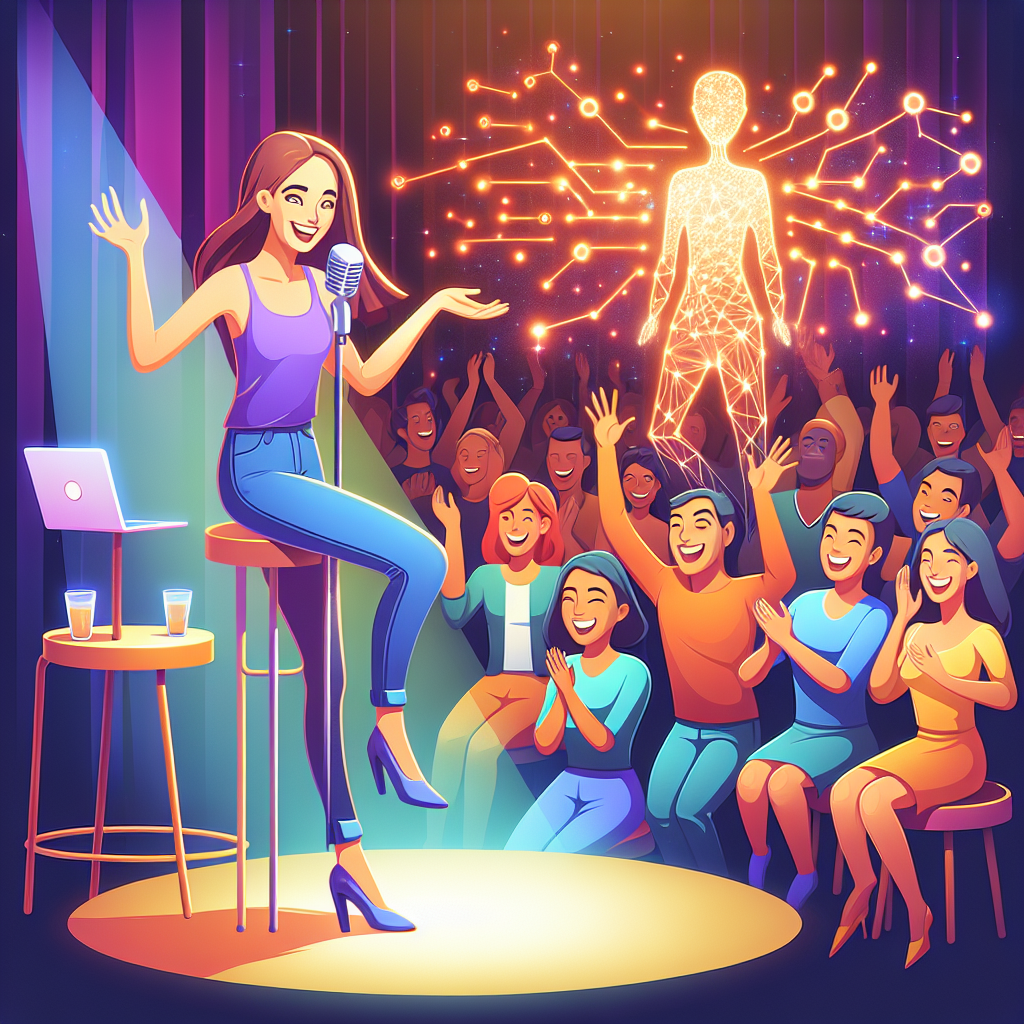
The head of Universal, Lucian Grainge, and the artists involved in Dream Track have expressed support for responsible AI development in the music industry. They believe that artists should be part of shaping the future of AI technology. Charli XCX stated that AI will transform the world and the music industry, and the experiment with Dream Track offers a small insight into the creative opportunities that could arise. T-Pain and Demi Lovato also emphasized the need for artists to be involved in shaping the future of AI.
In addition to Dream Track, Google also announced other AI music projects, including a tool that allows artists to hum a melody and have software create an instrumental based on it. The company also stated that AI content produced with these tools will be watermarked for disclosure.
Original news source: YouTube tests AI tool that clones pop stars' voices (BBC)
📖 Vocabulary:
Group or Classroom Activities
Warm-up Activities:
– News Summary
Instructions: Have students read the article and then summarize the main points in their own words. Encourage them to include key details and important information. After they have finished writing their summaries, have them share with a partner or the whole class.
– Opinion Poll
Instructions: Divide the class into small groups and give each group a set of questions related to the article. The questions should be designed to elicit opinions and thoughts from the students. For example, "Do you think AI technology will have a positive or negative impact on the music industry?" Have the groups discuss and answer the questions, then have a class discussion where each group shares their opinions.
– Pros and Cons
Instructions: Divide the class into two groups: one group will list the pros of using AI technology in the music industry, and the other group will list the cons. Give each group time to brainstorm and write down their ideas. Then, have each group present their lists to the class, allowing for discussion and debate.
– Future Predictions
Instructions: Have students work individually or in pairs to brainstorm and write down their predictions for the future of AI in the music industry. They should consider how AI technology might continue to develop and impact artists and the creative process. After they have finished, have students share their predictions with the class and discuss the different ideas.
– Speed Summarizing
Instructions: Give each student a sentence or phrase from the article. They should take turns standing up and quickly summarizing the main idea or key details of the sentence or phrase. Encourage them to be concise and use their own words. This activity can be done as a whole class or in small groups.
🤔 Comprehension Questions:
🎧✍️ Listen and Fill in the Gaps:
YouTube has introduced an artificial intelligence (AI) tool called Dream Track that allows users to imitate the voices of artists such as Demi Lovato and John Legend. The tool allows users to create short songs by describing qualities like lyrical content and mood. Currently, only about 100 creators in the US have access to the tool, which can only be used to soundtrack videos on YouTube . The tool has been with artists like Charli XCX, Troye Sivan, T-Pain, and Sia, who have allowed their voices to be "cloned" by the software. YouTube released sample videos featuring imitations of Charlie Puth and T-Pain, which were passable but clearly inferior to the original voices. The of Dream comes shortly after YouTube announced that it would alert viewers when they are watching a video made with AI. The company also stated that it would allow people to the removal of videos that use AI to simulate an identifiable person. While Dream Track has the explicit approval of the artists involved, the use of AI in the creative industries remains a topic of . Many AI tools have been trained on copyrighted material, leading to lawsuits by such as Jonathan , Jodi Picoult, and George R. R. Martin. In April, Universal Music successfully petitioned streaming services to remove a song that used AI-generated vocals from their artists Drake and The Weeknd, citing copyright violations. The head of Universal, Lucian Grainge, and the artists involved in Track have expressed support for responsible AI development in the music industry. They believe that artists should be part of the future of AI technology. Charli XCX stated that AI will transform the and the music industry, and the experiment with Dream Track offers a small insight into the creative opportunities that could . T-Pain and Demi Lovato also emphasized the need for artists to be involved in shaping the future of AI. In addition to Dream Track, Google also announced other AI music projects, including a tool that allows artists to hum a melody and have software an instrumental based on it. The company also stated that AI content with these tools will be watermarked for disclosure.
💬 Discussion Questions:
1. What are your thoughts on YouTube's introduction of the Dream Track AI tool?
2. How would you feel if someone used AI to imitate your voice without your permission?
3. Do you think the use of AI in the creative industries is a positive or negative development? Why or why not?
4. What do you think about the idea of artists being involved in shaping the future of AI technology?
5. How do you think AI will transform the music industry in the future?
6. Do you believe that AI-generated content should be labeled or watermarked for disclosure? Why or why not?
7. Have you ever used any AI tools or software to create music or art? If so, what was your experience like?
8. What are some potential ethical concerns or challenges that could arise from the use of AI in the creative industries?
9. How do you think AI could impact the careers of musicians and artists in the future?
10. Do you think the use of AI in music production will enhance or diminish the value of originality and creativity? Why or why not?
11. What are some potential benefits of using AI in the music industry?
12. How would you feel if you were an artist and someone used AI to clone your voice without your permission?
13. Do you think it's important for AI tools to have the explicit approval of the artists involved? Why or why not?
14. Have you ever encountered any AI-generated content that you thought was indistinguishable from human-created content? If so, what was your reaction?
15. What are your predictions for the future of AI in the music industry?
Individual Activities
📖💭 Vocabulary Meanings:
Click a dot next to a word, then click the dot next to its meaning to draw a line connecting them.
Words
Meanings
🔡 Multiple Choice Questions:
🕵️ True or False Questions:
📝 Write a Summary:
Write a summary of this news article in two sentences.
Check your writing now with the best free AI for English writing!