Free Materials For ESL Teachers and Learners

English Newsroom

Learn English through news articles - complete lesson plans, including articles, listening, classroom activities, quiz questions and more!

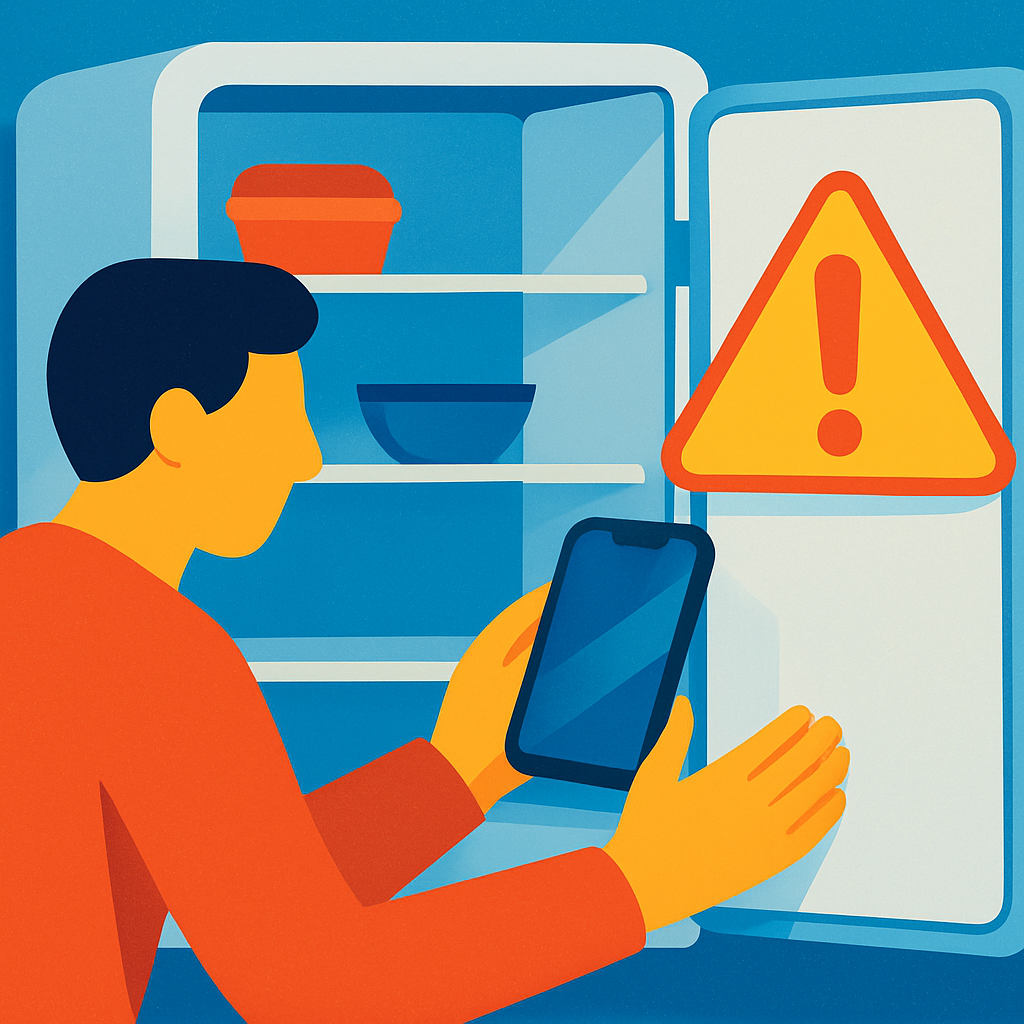
Cooling Phones in Fridges May Cause Irreparable Damage

Using a fridge to cool phones can cause serious damage.
Try this article at a different level?

Amid rising temperatures, Jamie Farnell of Shropshire Phone Repairs is warning against a risky trend. People are placing their phones in refrigerators or freezers, mistakenly believing it will help cool the devices. However, this misguided method can lead to internal moisture damage from condensation, often rendering phones unusable.

Farnell observes a spike in phone repairs during heatwaves, largely attributed to people employing unverified cooling techniques. He cites moisture ingress into phones as a primary factor in the failure of devices, especially when individuals attempt to rapidly cool their phones using refrigerators.

This issue isn't new. Many have previously relied on myth-driven solutions such as submerging phones in rice to absorb moistureβ€”an approach Farnell deems ineffective. Instead of using unproven practices, he recommends precautions like keeping devices out of direct sunlight and powering them down when overheating poses a risk.

Additionally, Farnell advises against overcharging phones and engaging in resource-heavy activities during scorching conditions. These measures can mitigate potential damage and preserve the integrity of internal components, such as lithium-ion batteries, which can expand dangerously when improperly cooled.

Ultimately, using a refrigerator as a stopgap for device cooling is a hazardous shortcut. Informed user habits and understanding of safe practices can help maintain the longevity and functionality of smartphones and other electronic devices.

Original news source: Do not put phones in the fridge, warns Wem phone repair shop (BBC)

🎧 Listen:

πŸ“– Vocabulary:

1. hazardous
2. mitigate
3. ingress
4. condensation
5. myth-driven
6. submerging
7. ineffective
8. integrity
9. unverified
10. resource-heavy
11. scorching
12. longevity
13. enduring
14. susceptibility
15. inadvertently

Group or Classroom Activities

Warm-up Activities:

1. Discuss in groups any unusual methods you've heard of for cooling devices.
2. Share experiences with phone damage caused by heat with a partner.
3. Brainstorm in pairs ways to safely cool electronic devices.
4. Recall and share a time when a myth-driven tech solution didn't work.
5. Talk about the importance of maintaining electronic devices in different environments.

πŸ€” Comprehension Questions:

1. What risky trend is Jamie Farnell warning about?

2. What is often the outcome of using refrigerators for phone cooling?

3. Why is there a spike in phone repairs during heatwaves?

4. What ineffective solution have people previously relied on for moisture absorption?

5. What precautions does Farnell suggest to prevent phone overheating?

6. How can improper cooling affect lithium-ion batteries?

7. What is the long-term benefit of avoiding hazardous shortcuts in device cooling?

🎧✍️ Listen and Fill in the Gaps:

Amid rising temperatures, Jamie Farnell of Phone Repairs is warning against a trend. People are placing their phones in refrigerators or freezers, mistakenly believing it will help cool the devices. However, this misguided can lead to internal moisture damage from condensation, often rendering phones . Farnell observes a spike in phone repairs during heatwaves, largely attributed to people employing unverified cooling techniques. He cites moisture ingress into phones as a primary in the of devices, especially when individuals attempt to rapidly cool their phones refrigerators. This issue isn't new. Many have relied on myth-driven solutions such as submerging phones in rice to absorb moistureβ€”an Farnell deems ineffective. Instead of using unproven practices, he recommends precautions like out of direct sunlight and powering them down when overheating poses a risk. Additionally, Farnell advises against overcharging phones and engaging in resource-heavy activities during scorching conditions. These measures can mitigate damage and preserve the integrity of internal , such as lithium-ion batteries, which can expand dangerously when cooled. Ultimately, using a refrigerator as a for device is a hazardous shortcut. Informed user habits and understanding of safe practices can help maintain the longevity and functionality of smartphones and other electronic devices.

πŸ’¬ Discussion Questions:

1. What are some common misconceptions people have about phone maintenance?
2. How effective do you think traditional methods are in handling overheating devices?
3. Have you ever used rice to try to fix a wet phone? What was your experience?
4. Why do you think people resort to putting phones in fridges?
5. How do you usually keep your electronic devices cool?
6. What is your opinion on the advice given by experts like Jamie Farnell?
7. Under what conditions would you turn off your phone to prevent damage?
8. Discuss the effects of heat on technology in your country.
9. What's the worst damage you've experienced with a phone, and how did you repair it?
10. Why is it important to stay informed about electronics maintenance?
11. What role does technology play in climatic conditions?
12. How can manufacturers improve phone durability in various climates?

Individual Activities

πŸ“–πŸ’­ Vocabulary Meanings:

Click a dot next to a word, then click the dot next to its meaning to draw a line connecting them.


Words

1. hazardous
2. mitigate
3. ingress
4. condensation
5. myth-driven
6. submerging
7. ineffective
8. integrity
9. unverified
10. resource-heavy
11. scorching
12. longevity
13. enduring
14. susceptibility
15. inadvertently

Meanings

(A) not effective
(B) lasting
(C) not confirmed
(D) likelihood of being affected
(E) dangerous
(F) accidentally
(G) process of a gas changing to a liquid
(H) duration of life
(I) requiring a lot of resources
(J) to make less severe
(K) entry
(L) to put fully into a liquid
(M) based on false beliefs
(N) wholeness
(O) extremely hot

πŸ”‘ Multiple Choice Questions:

1. What is a primary risk of putting phones in refrigerators?
(a) Internal moisture damage
(b) Overcharging the battery
(c) Software malfunction
(d) Physical breakage
2. What does Jamie Farnell attribute to the rise in phone repairs during heatwaves?
(a) Dust ingress
(b) Software errors
(c) Unverified cooling techniques
(d) Outer covering wear
3. What does Jamie Farnell recommend against during hot conditions?
(a) Storing phones in rice
(b) Using protective covers
(c) Overcharging phones
(d) Turning phones off
4. What mistake do people make when trying to cool phones?
(a) Using fans
(b) Using freezers
(c) Turning phones on repeatedly
(d) Charging during use
5. Which component of phones is specifically mentioned as at risk?
(a) SIM cards
(b) Lithium-ion batteries
(c) Screen displays
(d) Charging ports
6. What is a myth-driven solution mentioned in the article?
(a) Submerging phones in rice
(b) Using rainwater
(c) Applying phone covers
(d) Keeping phones on silent
7. What consequence is mentioned about improper cooling?
(a) Change in color
(b) Reduced camera quality
(c) Slower software updates
(d) Expansion of batteries
8. What is the long-term impact of avoiding hazardous shortcuts?
(a) Faster processing speed
(b) Increased resale value
(c) Reduced warranty issues
(d) Longevity of devices

πŸ•΅οΈ True or False Questions:

1. Farnell recommends keeping phones in direct sunlight.
2. Informed user habits can prolong device longevity.
3. Submerging phones in rice is ineffective for moisture absorption.
4. Jamie Farnell warns in favor of using verified cooling techniques.
5. Placing phones in refrigerators can cause internal moisture damage.
6. Overcharging phones during cold weather should be encouraged.
7. Moisture ingress during cooling can enhance phones' performance.
8. Lithium-ion batteries can expand when improperly cooled.

Writing Questions:

1. Explain the potential risks of improper phone cooling methods in your own words.
2. Describe a personal experience where a myth-driven solution failed.
3. Discuss the importance of following expert advice in technology maintenance.
4. Analyze how extreme weather conditions can affect electronic devices.
5. Propose ways manufacturers could design products to handle overheating better.

How about these other Level 4 articles?

Taylor Swift: Time Magazine’s Person of the Year

Taylor Swift, named Time Magazine’s person of the year for 2023, continues to dominate the music industry with her record-breaking tour and successful albums, solidifying her status as a generational talent.

Online
Class
Writing
Coach
β˜• 컀피 3μž” &
무료 ν”Όλ“œλ°±! πŸŽ“
β˜• 컀피 3μž” & 무료 ν”Όλ“œλ°±! πŸŽ“

X

[100% 온라인] λž­μ»€μŠ€ν„° λŒ€ν•™κ΅ μ˜μ–΄ 연ꡬ μ°Έμ—¬μž λͺ¨μ§‘
λ³„λ„μ˜ μ°Έκ°€λΉ„ 없이 영ꡭ λŒ€ν•™ 연ꡬ에 도움도 μ£Όμ‹œκ³ , 무료 μ˜μ–΄ μ‹€μ „ μ—°μŠ΅κ³Ό ν”Όλ“œλ°±λ„ λ°›μ•„λ³΄μ„Έμš”!

영ꡭ λž­μ»€μŠ€ν„° λŒ€ν•™κ΅(Lancaster University)μ—μ„œ ν•œκ΅­μΈ μ˜μ–΄ ν•™μŠ΅μžλΆ„λ“€μ„ λŒ€μƒμœΌλ‘œ μƒˆλ‘œμš΄ 연ꡬ ν”„λ‘œμ νŠΈλ₯Ό μ§„ν–‰ν•©λ‹ˆλ‹€. μ „ κ³Όμ • 온라인으둜 μ§„ν–‰λ˜μ–΄ μ–΄λ””μ„œλ“  νŽΈν•˜κ²Œ μ°Έμ—¬ν•˜μ‹€ 수 μžˆμŠ΅λ‹ˆλ‹€. μ—¬λŸ¬λΆ„μ˜ μ†Œμ€‘ν•œ μ°Έμ—¬λ‘œ ν•œκ΅­μΈμ˜ μ˜μ–΄ μ‚¬μš© 방식을 μ•Œμ•„λ³΄λŠ” ν₯미둜운 연ꡬ가 μ™„μ„±λ©λ‹ˆλ‹€.

🎁 μ°Έμ—¬ ν˜œνƒ:
– 원어민 μ—°κ΅¬μ›κ³Όμ˜ 1:1 νšŒν™” μ—°μŠ΅
– μ‹€μ „ μ˜μž‘ μ—°μŠ΅ & λ§žμΆ€ν˜• μ˜μ–΄ ν”Όλ“œλ°± 리포트
– 컀피 κΈ°ν”„ν‹°μ½˜ 총 3μž” μ„ λ¬Ό! (첫 μ„Έμ…˜ ν›„ 1μž”, λ§ˆμ§€λ§‰ μ„Έμ…˜ μ™„λ£Œ ν›„ 2μž” 더 λ“œλ €μš”! β˜•β˜•)

πŸ“… μ°Έμ—¬ 방식: 총 2회의 온라인 μ„Έμ…˜ (Zoom 등을 이용, 각 μ„Έμ…˜λ‹Ή μ•½ 60~80λΆ„ μ†Œμš”) λ§ν•˜κΈ°μ™€ μ“°κΈ° ν™œλ™μ΄ μ„žμ—¬ μžˆμ–΄ λΆ€λ‹΄ 없이 즐겁게 μ°Έμ—¬ν•˜μ‹€ 수 μžˆμŠ΅λ‹ˆλ‹€.

βœ… λŒ€μƒ: μ˜μ–΄ μ‹€λ ₯에 상관없이 μ°Έμ—¬λ₯Ό ν¬λ§ν•˜λŠ” 18μ„Έ 이상 ν•œκ΅­μΈ λˆ„κ΅¬λ‚˜

Feedback