

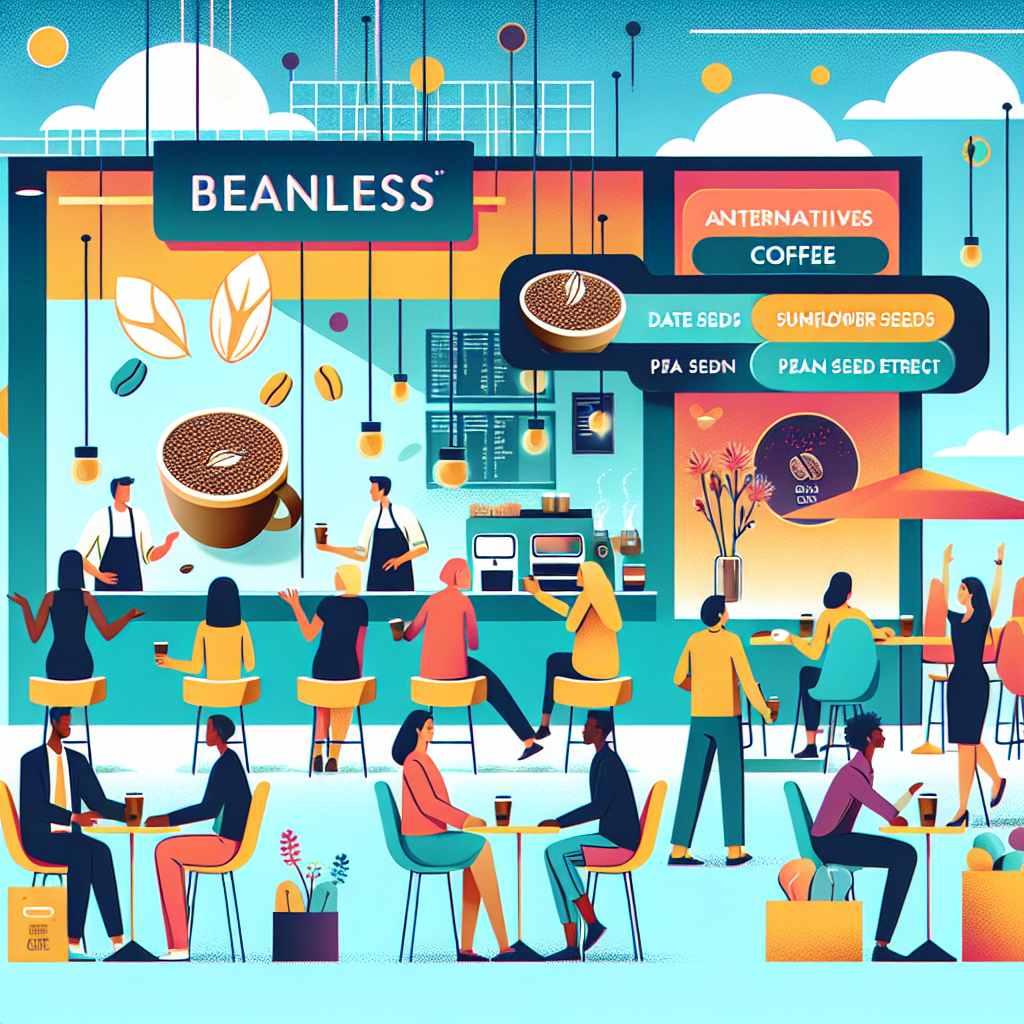
A new trend in the coffee industry is emerging with beanless coffee products hitting the market. Atomo, a Seattle-based start-up, is at the forefront of this movement, using ingredients like date seeds, sunflower seed extract, and pea protein to create a coffee-like experience without using any coffee beans. The aim is to replicate the taste, caffeine content, and overall drinking experience of traditional coffee while offering a more environmentally friendly alternative.
Traditional coffee cultivation is a significant contributor to deforestation, prompting the development of beanless coffee as a more sustainable option. The rise in coffee consumption globally, coupled with the effects of climate change on coffee plantations, has led to a growing interest in alternative coffee products. Beanless coffee companies argue that their products could potentially be cheaper than conventional coffee, especially as coffee prices continue to rise on international markets.
While the concept of beanless coffee presents an innovative solution to the environmental challenges posed by traditional coffee production, there are concerns about the impact on coffee farmers and communities that rely on coffee cultivation for their livelihoods. Organizations like Conservation International emphasize the importance of supporting sustainable coffee farming practices and community development initiatives within the coffee sector.
Companies like Atomo and Northern Wonder are leading the way in the beanless coffee market, offering products made from ingredients like date seeds, ramón seeds, and chicory. Other companies are exploring lab-grown or cultured coffee as a potential alternative to traditional coffee production methods. However, challenges remain in terms of scaling up production, regulatory approval, and consumer acceptance of these novel coffee products.
As the beanless coffee industry continues to evolve, questions remain about the future of coffee consumption and the impact on traditional coffee-growing regions. While beanless coffee may offer a more sustainable option for environmentally conscious consumers, the emotional and cultural connections associated with traditional coffee production are also important factors to consider. Ultimately, the rise of beanless coffee products prompts consumers to explore the sustainability and ethics of their coffee choices.
Original news source: New beanless 'coffee' emerges but does it taste any good? (BBC)
🎧 Listen:
📖 Vocabulary:
Group or Classroom Activities
Warm-up Activities:
– Headline Creation
Instructions: Ask students to work in pairs or small groups to create a catchy headline for an article about beanless coffee products hitting the market. Encourage them to be creative and concise in summarizing the key points of the article in their headline.
– Vocabulary Pictionary
Instructions: Write down key vocabulary words from the article (e.g., beanless coffee, sustainable, cultivation) on separate pieces of paper. Have a student pick a word and without saying it, they must draw it on the board while their classmates try to guess the word. This will help reinforce vocabulary retention and comprehension.
– Opinion Spectrum
Instructions: Divide the class into two groups representing "For" and "Against" the concept of beanless coffee. Have students stand on opposite sides of the room based on their opinion. Present statements related to the topic (e.g., "Beanless coffee is a more sustainable option") and have students move along the spectrum to show their level of agreement/disagreement and discuss their viewpoints.
– Charades
Instructions: Write down actions related to the article on separate pieces of paper (e.g., planting coffee beans, drinking coffee). Have a student pick a paper and act out the action without speaking while the rest of the class guesses what it is. This will engage students in a fun activity while reinforcing vocabulary related to the article.
– Think-Pair-Share
Instructions: Ask students to think individually about the implications of beanless coffee products on traditional coffee-growing regions. Then, pair them up to discuss their thoughts before sharing with the whole class. This activity encourages critical thinking, collaboration, and speaking skills.
🤔 Comprehension Questions:
Atomo uses ingredients like date seeds, sunflower seed extract, and pea protein to create their beanless coffee products.
Traditional coffee cultivation is a significant contributor to deforestation, prompting the development of beanless coffee as a more sustainable option.
The rise in coffee consumption globally, coupled with the effects of climate change on coffee plantations, has led to a growing interest in alternative coffee products.
Concerns are raised about the impact of beanless coffee on coffee farmers and communities who rely on coffee cultivation for their livelihoods.
Organizations like Conservation International emphasize the importance of supporting sustainable coffee farming practices.
Challenges mentioned include scaling up production, regulatory approval, and consumer acceptance of beanless coffee products.
Companies like Northern Wonder differentiate themselves by offering products made from ingredients like date seeds, ramón seeds, and chicory.
Consumers should consider factors like the environmental impact, support for sustainable farming practices, and the emotional and cultural connections associated with traditional coffee production when exploring the sustainability and ethics of their coffee choices.
🎧✍️ Listen and Fill in the Gaps:
A new trend in the is emerging with coffee products hitting the market. Atomo, a Seattle-based start-up, is at the forefront of this movement, using like date seeds, sunflower seed extract, and pea protein to create a coffee-like experience without using any coffee beans. The aim is to replicate the taste, caffeine content, and overall drinking experience of traditional coffee while offering a more environmentally friendly alternative. Traditional coffee cultivation is a significant contributor to deforestation, prompting the development of beanless coffee as a more sustainable option. The rise in coffee consumption globally, coupled with the effects of climate change on coffee plantations, has led to a growing interest in coffee . Beanless coffee companies argue that their products could potentially be cheaper than conventional coffee, especially as coffee prices continue to rise on international markets. While the concept of beanless coffee presents an innovative to the environmental challenges posed by traditional coffee production, there are concerns about the on coffee farmers and communities that rely on coffee cultivation for their livelihoods. like International emphasize the importance of supporting sustainable coffee farming and community development initiatives within the coffee sector. Companies like Atomo and Northern Wonder are leading the way in the beanless coffee market, offering products made from ingredients like date seeds, ramón seeds, and chicory. Other companies are exploring lab-grown or cultured coffee as a alternative to traditional coffee production methods. However, challenges remain in terms of scaling up production, approval, and consumer acceptance of these novel coffee products. As the beanless coffee industry continues to evolve, questions remain about the of coffee consumption and the impact on traditional coffee-growing regions. While beanless coffee may offer a more sustainable option for environmentally conscious consumers, the emotional and cultural connections associated with traditional coffee production are also important factors to consider. Ultimately, the rise of beanless coffee products prompts consumers to the and ethics of their coffee choices.
💬 Discussion Questions:
1. What is your opinion on the idea of beanless coffee?
2. How would you feel if traditional coffee cultivation practices were completely replaced by beanless coffee production?
3. Do you think the rise of beanless coffee products will have a positive impact on the environment?
4. Why or why not do you believe that beanless coffee could be a cheaper alternative to traditional coffee?
5. Do you like the idea of lab-grown or cultured coffee as a potential alternative to traditional coffee production?
6. How do you think coffee farmers and communities that rely on coffee cultivation will be affected by the rise of beanless coffee?
7. What are your thoughts on the importance of supporting sustainable coffee farming practices in traditional coffee-growing regions?
8. How do you think the emotional and cultural connections to traditional coffee production will influence the adoption of beanless coffee products?
9. What do you believe are the biggest challenges in scaling up production of beanless coffee?
10. Why do you think some consumers might be hesitant to try beanless coffee products?
11. How important do you think it is for consumers to consider the sustainability and ethics of their coffee choices?
12. Do you think traditional coffee companies should invest in developing beanless coffee products to stay competitive in the market?
13. What impact do you think the rise of beanless coffee will have on the overall coffee industry?
14. How would you feel if you were a coffee farmer facing potential changes in the industry due to the popularity of beanless coffee?
15. Do you think the trend of beanless coffee is a passing fad or a long-lasting change in the coffee industry? Why or why not?
Individual Activities
📖💭 Vocabulary Meanings:
Click a dot next to a word, then click the dot next to its meaning to draw a line connecting them.
Words
Meanings
🔡 Multiple Choice Questions:
🕵️ True or False Questions:
📝 Write a Summary:
Write a summary of this news article in two sentences.
Check your writing now with the best free AI for English writing!