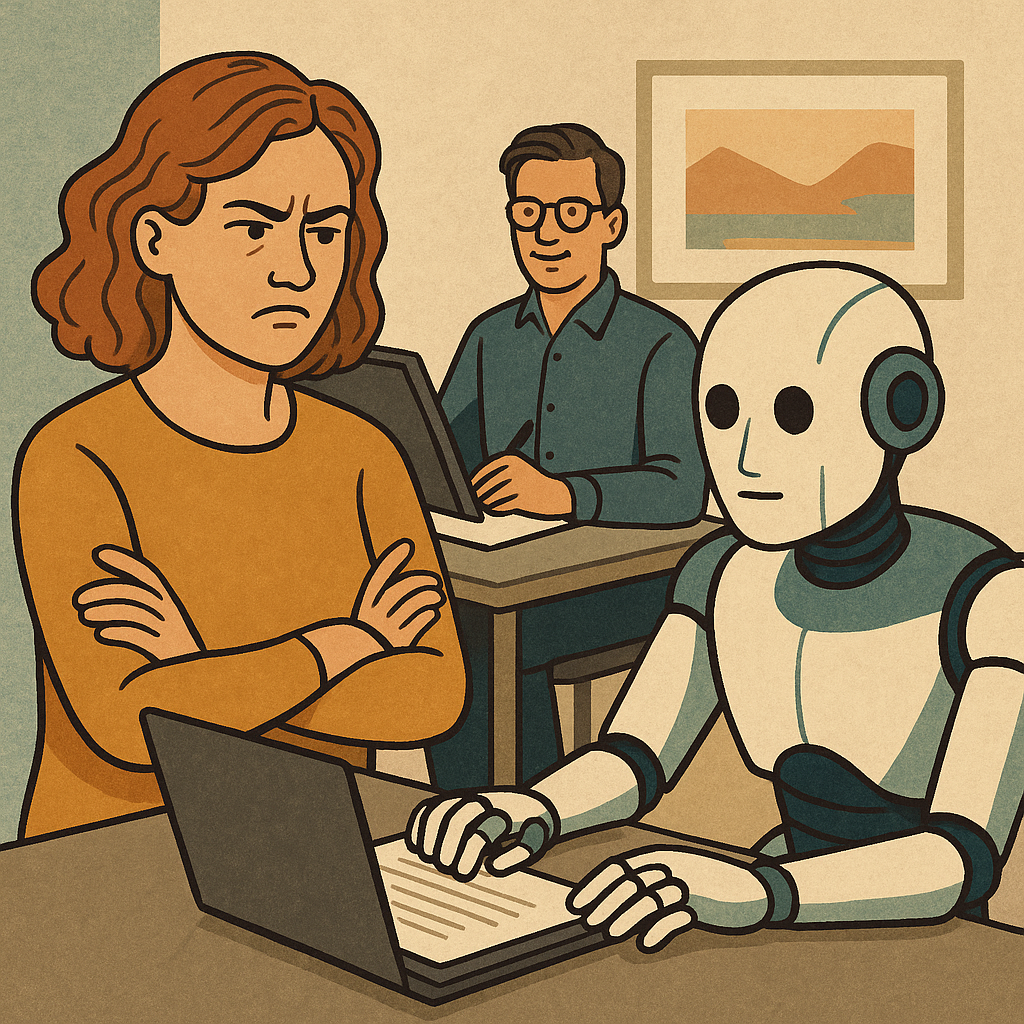


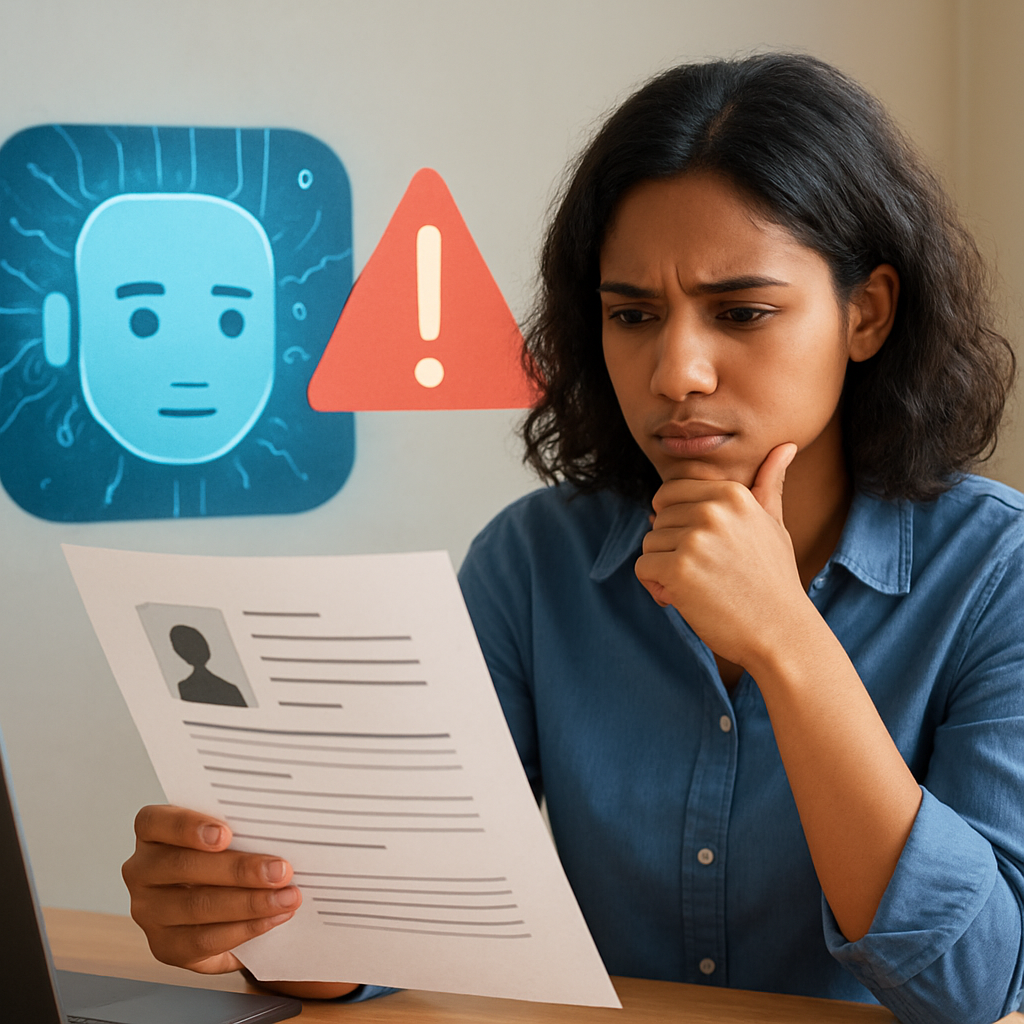
The advent of AI tools in recruitment has transformed the hiring process but not without introducing significant concerns. Job seekers frequently experience a pattern of rejection, raising questions about whether their applications are being evaluated by a human or solely by AI systems. Although companies utilize these tools to manage large volumes of applications and enhance efficiency, the potential for systemic biases has been flagged by various stakeholders.
Organisations like 'People Like Us' in London are advocating for job seekers’ awareness of their rights, particularly the right to a human review of AI-hastened decisions. Surveys indicate that a staggering 75% of applicants remain unaware of this right, complicating their employment pursuits. Such initiatives are crucial in challenging the opaque nature of many AI-driven recruitment tools.
Moreover, analysis from various studies suggests that black and Asian applicants are often recommended at lower rates compared to their white counterparts, signaling a potential racial bias in AI algorithms. These findings, though limited, underscore the necessity for businesses to scrutinize and audit their AI tools to mitigate bias and ensure equitable treatment.
Despite industry claims that AI usage is less pervasive than assumed, candidates habitually tailor applications through the prism of AI expectations, fearing dismissal based on algorithmic assessments rather than merit. This behavior underscores a critical 'perception gap' between recruiters' practices and applicants' expectations.
As regulation and guidelines from entities like the Information Commissioner’s Office evolve, the impetus is on employers to balance automation benefits with the need for human oversight and fairness. Ensuring transparency and adherence to legal protections will be pivotal in guaranteeing AI deployment doesn’t jeopardize fairness in recruitment.
Original news source: Is an 'AI war' complicating your job search? – BBC News (BBC)
🎧 Listen:
📖 Vocabulary:
Group or Classroom Activities
Warm-up Activities:
1. Discuss the pros and cons of AI in daily life.
2. Share experiences of applying for jobs online and any challenges faced.
3. Describe an instance where you felt technology improved a process.
4. Talk about a situation where you had to question the fairness of technology.
5. Discuss how you believe technology will change your field in the next ten years.
🤔 Comprehension Questions:
The hiring process.
Systemic biases.
People Like Us.
75% according to surveys.
Black and Asian applicants are recommended at lower rates.
The difference between recruiters' practices and applicants' expectations.
To ensure transparency and fairness.
🎧✍️ Listen and Fill in the Gaps:
The advent of AI tools in has transformed the hiring but not without introducing significant concerns. Job seekers frequently experience a pattern of rejection, raising questions about whether their applications are being evaluated by a human or solely by AI systems. Although companies utilize these tools to manage large volumes of applications and enhance , the potential for biases has been flagged by various . Organisations like 'People Like Us' in are advocating for job seekers’ awareness of their , particularly the right to a human review of AI-hastened . Surveys indicate that a staggering 75% of applicants remain unaware of this right, complicating their employment pursuits. Such initiatives are crucial in challenging the opaque nature of many AI-driven recruitment tools. Moreover, analysis from various studies suggests that black and Asian applicants are often recommended at lower rates compared to their white , signaling a potential racial bias in AI algorithms. These findings, though limited, underscore the necessity for businesses to scrutinize and audit their AI tools to mitigate bias and ensure equitable treatment. Despite claims that AI usage is less pervasive than assumed, candidates habitually tailor applications through the of AI , fearing dismissal based on algorithmic assessments rather than merit. This behavior underscores a critical 'perception gap' between recruiters' and applicants' expectations. As regulation and guidelines from entities like the Information Commissioner’s Office evolve, the impetus is on employers to automation with the need for human oversight and fairness. Ensuring transparency and adherence to legal protections will be in guaranteeing AI deployment doesn’t jeopardize fairness in recruitment.
💬 Discussion Questions:
1. How do you feel about AI systems evaluating job applications?
2. What are the advantages of using AI in recruitment?
3. Do you think AI can ever fully replace the human element in hiring?
4. How can companies ensure that AI tools are fair and unbiased?
5. Have you experienced or heard about biases in recruitment processes?
6. Do you believe awareness campaigns can effectively educate job seekers about their rights?
7. How can companies balance efficiency and fairness when using AI?
8. What responsibilities do tech companies have in preventing AI biases?
9. How has the perception of technology in recruitment changed over time?
10. What ethical considerations should be addressed before implementing AI in hiring?
11. Why might some applicants tailor their applications for AI systems?
12. How can governmental regulations impact AI development in recruitment?
Individual Activities
📖💭 Vocabulary Meanings:
Click a dot next to a word, then click the dot next to its meaning to draw a line connecting them.