
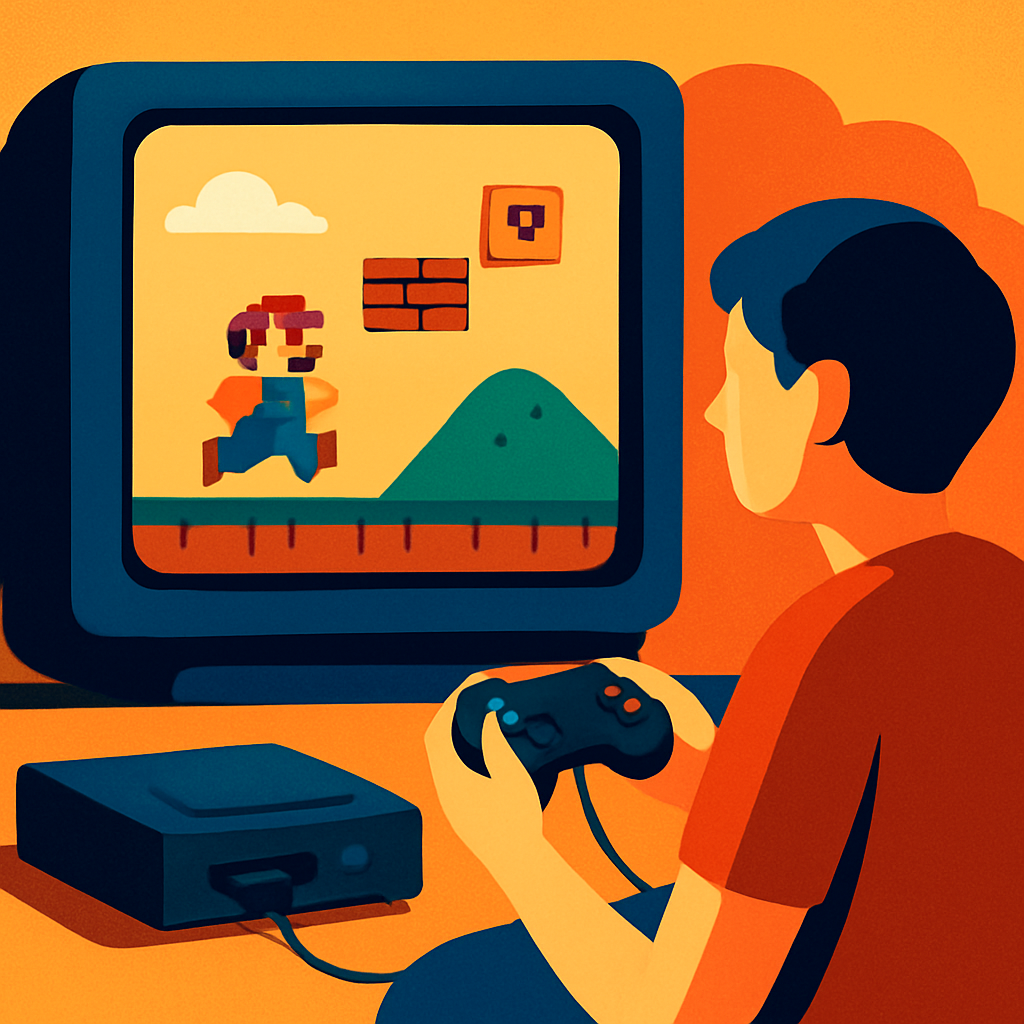
Video game remakes have become an intriguing facet of the gaming industry, leveraging nostalgia to capture the attention of new and existing audiences. Nostalgia describes a sentimental longing for past moments or experiences, often viewed through rose-tinted glasses. Kacey Doran, upon discovering the remake of The Legend of Zelda: Ocarina of Time, relived cherished memories from the late 1990s when she first played the game with her sister. Such emotional experiences are not uncommon as individuals often find themselves transported back to formative times in their lives through gameplay.
The decision to remake older video games stems from more than just emotional appeal; it is also a strategic business move. Retrofitting beloved classics like Mario Kart or Final Fantasy allows companies to rekindle interest in established titles without incurring the costs of developing brand-new games. Financial efficiencies aside, this approach is not without its pitfalls. The loyal fanbase of original games may harbor stringent expectations, and any perceived shortcomings in remakes can provoke significant backlash.
Psychological perspectives suggest that the nostalgia elicited by video games is inherently social, as these memories are frequently tied to interactions with others. This might explain why revisiting a game feels not only rewarding but also socially enriching. Tim Wulf from the Centre for Advanced Internet Studies highlights how these shared memories enhance self-esteem and reinforce social bonds, providing players with a sense of continuity in an ever-evolving world.
Despite the power of nostalgia, contemporary audiences demand that remakes meet modern high standards in graphics and gameplay. Game companies face the challenge of delivering a balance between innovation and fidelity to the originals. Modifications that cater to current technological capacities must not forsake the core elements that made the original games iconic.
The dual objectives of satisfying nostalgic yearnings and meeting contemporary expectations require developers to exercise creative agility. As technology continues to advance, the nature of remakes may evolve, focusing less on graphical updates and more on creative reinterpretation. Nostalgia may remain a consistent allure, but the way it's nurtured in remakes will likely need to adapt alongside technological progressions, ensuring that the essence of beloved classics endures.
Original news source: How video game remakes tap the power of nostalgia – BBC News (BBC)
🎧 Listen:
📖 Vocabulary:
Group or Classroom Activities
Warm-up Activities:
1. Share a childhood game you remember fondly.
2. Describe a modern technology that reminds you of the past.
3. Discuss how nostalgia influences your hobbies.
4. Talk about a remake of a film or game you've experienced.
5. How do you think technology has changed your entertainment preferences?
🤔 Comprehension Questions:
Nostalgia and strategic business interests drive the demand for video game remakes.
Remakes allow companies to rekindle interest in established titles without the costs of developing brand-new games.
Challenges include meeting fan expectations and balancing modern innovation with original fidelity.
Nostalgia enhances social experiences and self-esteem by reviving shared memories.
Balancing innovation and fidelity is essential to maintain the core elements that made the original games iconic.
Future remakes might focus more on creative reinterpretation than graphical updates.
Ensuring creative agility and adapting nostalgia alongside technological progressions helps the essence endure.
🎧✍️ Listen and Fill in the Gaps:
Video game remakes have become an intriguing facet of the gaming industry, leveraging nostalgia to the attention of new and existing audiences. Nostalgia describes a sentimental longing for past moments or , often viewed through rose-tinted glasses. Doran, upon discovering the remake of The Legend of Zelda: Ocarina of Time, relived memories from the late 1990s when she first played the game with her sister. Such emotional experiences are not uncommon as individuals often find themselves transported back to formative times in their lives gameplay. The decision to remake older video games stems from more than just emotional appeal; it is also a strategic business move. Retrofitting beloved classics like Mario Kart or Final Fantasy companies to rekindle interest in established titles without incurring the costs of developing brand-new games. Financial efficiencies aside, this is not without its pitfalls. The loyal fanbase of original games may stringent expectations, and any perceived shortcomings in remakes can provoke significant backlash. Psychological perspectives suggest that the nostalgia elicited by video games is inherently social, as these memories are frequently tied to interactions with others. This might explain why revisiting a game feels not only rewarding but also socially . Tim Wulf from the for Advanced Internet Studies highlights how these shared memories enhance self-esteem and reinforce social bonds, providing players with a sense of continuity in an ever-evolving world. Despite the power of nostalgia, contemporary audiences demand that remakes meet modern high standards in graphics and gameplay. Game companies face the of delivering a balance innovation and fidelity to the originals. that cater to current technological capacities must not forsake the core elements that made the original games iconic. The dual objectives of satisfying nostalgic yearnings and meeting contemporary expectations require developers to exercise creative agility. As technology continues to advance, the nature of remakes may evolve, focusing less on graphical updates and more on creative reinterpretation. may remain a consistent allure, but the way it's nurtured in remakes will need to adapt alongside technological progressions, that the essence of beloved classics endures.
💬 Discussion Questions:
1. How does nostalgia affect your decisions in entertainment?
2. Do you think remakes can surpass the original in popularity? Why or why not?
3. What is something you've experienced that was impacted by its historical or cultural context?
4. How do you feel about the balance between innovation and tradition in video game remakes?
5. Can nostalgia have a negative impact on perceptions of current experiences? Explain.
6. Do you believe that remakes should introduce new elements, or maintain strict fidelity to the original? Why?
7. How important is it for remakes to evolve with technological advancements?
8. Discuss a remake that met or didn’t meet your expectations and why.
9. How do societal changes over time affect the perception of media from the past?
10. What role does social interaction play in your enjoyment of video games?
11. Can nostalgia be utilized positively in other industries besides gaming? Provide examples.
12. What are the potential benefits and drawbacks of relying heavily on nostalgia in media?
Individual Activities
📖💭 Vocabulary Meanings:
Click a dot next to a word, then click the dot next to its meaning to draw a line connecting them.