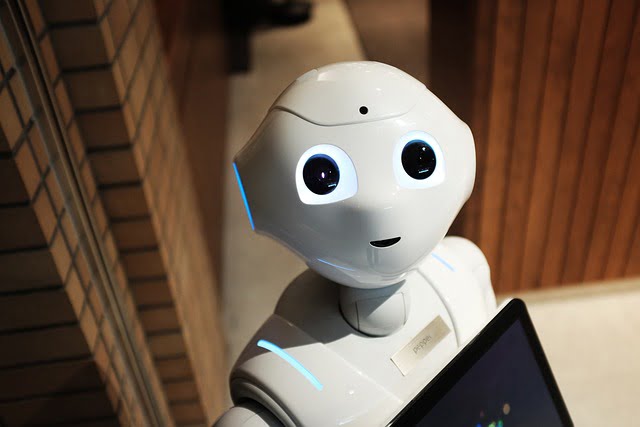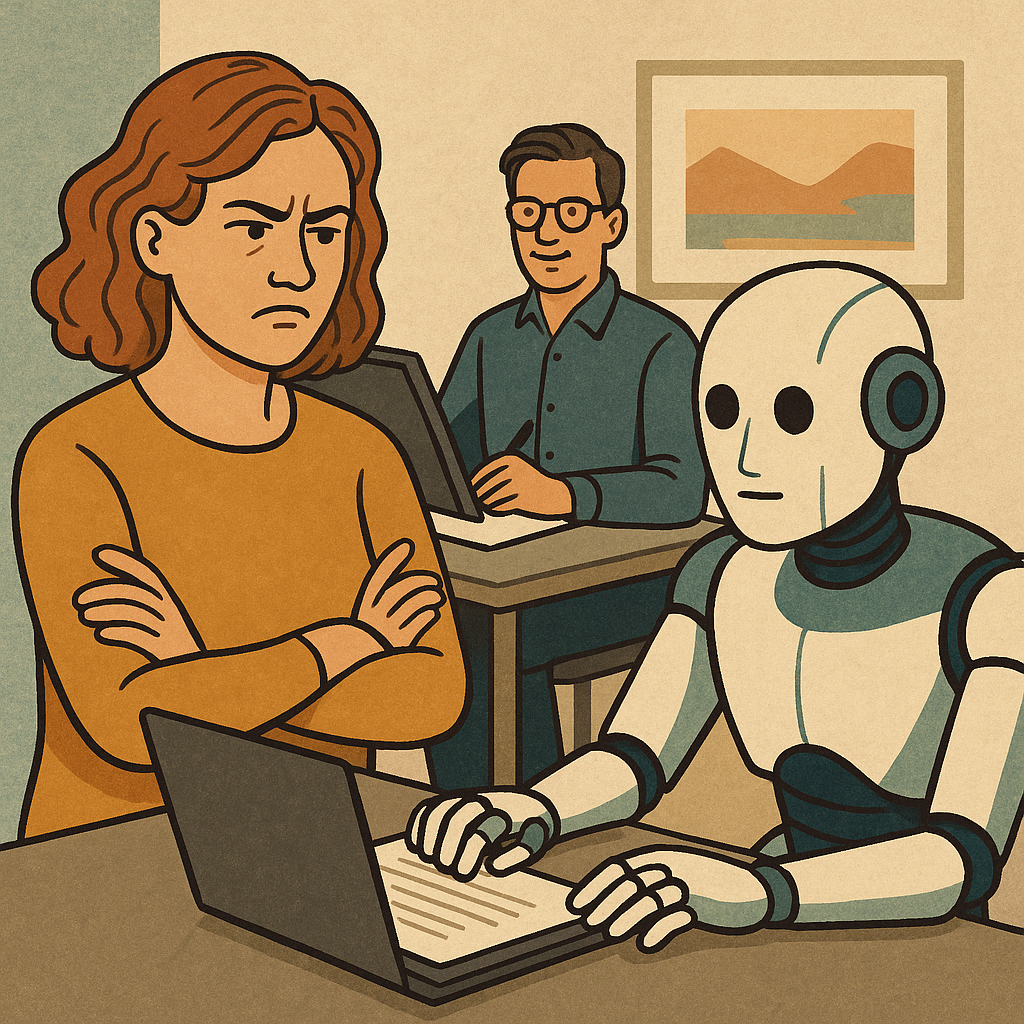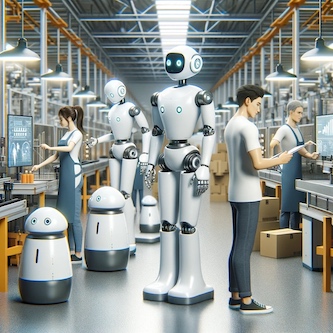
The smart help also tells people where things come from. It can tell people what is in the things they buy. The smart help is now normal in making things. It can also help different places share what they can do. Some people worry about jobs for people, but the smart help can also keep people safe at work.
Original news source: How factories are deploying AI on production lines (BBC)
📖 Vocabulary:
Group or Classroom Activities
Warm-up Activities:
– Vocabulary Pictionary
Instructions: Prepare flashcards with vocabulary from the article such as "machines," "smart help," "mistakes," "company," "running," "tiny," "normal," "share," "jobs," and "safe." Divide the class into two teams. One student from a team draws a card and sketches the word without writing letters or numbers. Their team has to guess the word in English within a set time limit. If they guess correctly, they get a point. Then, it's the other team's turn.
– News Reporter Role-play
Instructions: Pair up students and assign them roles, one as a news reporter and the other as an expert on smart technology in factories. Using information from the article, the reporter interviews the expert about the new smart help for machines, its benefits, and concerns about jobs. Encourage students to use their own words to explain what they have understood from the article.
– Opinion Poll
Instructions: Write a statement on the board: "Smart help in factories is good for workers." Ask students to move to one side of the room if they agree and the other side if they disagree. Each student must give a simple reason in English for their opinion, using words from the article like "safe," "jobs," and "mistakes." After everyone has spoken, discuss as a class whether opinions have changed.
– Word Association
Instructions: Say a word from the article, such as "smart." Students must quickly say any word they associate with "smart" that comes to mind, which could be related to the article like "technology," "help," or other words like "intelligent," "phone," etc. If a student hesitates or repeats a word, they sit down. The last student standing is the winner.
– Sketch It
Instructions: Give each student a piece of paper and ask them to draw something related to the article, such as a machine, a person working with smart help, or a quality control process. They should not write any words. After a few minutes, have students show their drawings to the class and let others guess what aspect of the article they have drawn. This will help with comprehension and the ability to describe objects and processes in English visually.
🤔 Comprehension Questions:
The big machines get smart help.
The smart help can tell if something is wrong with the machines.
The smart help can find tiny mistakes in things being made.
A drink company uses the smart help for their machines.
The smart help can see things that people might not see.
The smart help can tell people where things come from and what is in them.
Some people worry about jobs for people because of the smart help.
🎧✍️ Listen and Fill in the Gaps:
Big machines in places where things are made are smart . This smart help can tell if something is wrong with the machines. It can also look at things being made and find tiny mistakes. A drink this smart help to keep their machines running well. The smart help can see things that people might not see. The help also tells people where things come from. It can tell people what is in the things they buy. The smart help is now normal in things. It can also help different places share what they can do. Some about jobs for people, but the smart help can also keep people safe at work.
💬 Discussion Questions:
1. What is a machine?
2. Do you like smart things? Why or why not?
3. How would you feel if a robot helped you?
4. What is a mistake?
5. Do you think it is good to have help to find mistakes? Why?
6. Can you see very tiny things?
7. What is your favorite drink?
8. Do you like to know where things come from?
9. What is something you buy?
10. Do you think machines should help people? Why or why not?
11. Are you worried about robots taking people's jobs?
12. Do you think robots can keep people safe? Why do you think that?
Individual Activities
📖💭 Vocabulary Meanings:
Click a dot next to a word, then click the dot next to its meaning to draw a line connecting them.
Words
Meanings
🔡 Multiple Choice Questions:
🕵️ True or False Questions:
📝 Write a Summary:
Write a summary of this news article in two sentences.
Check your writing now with the best free AI for English writing!