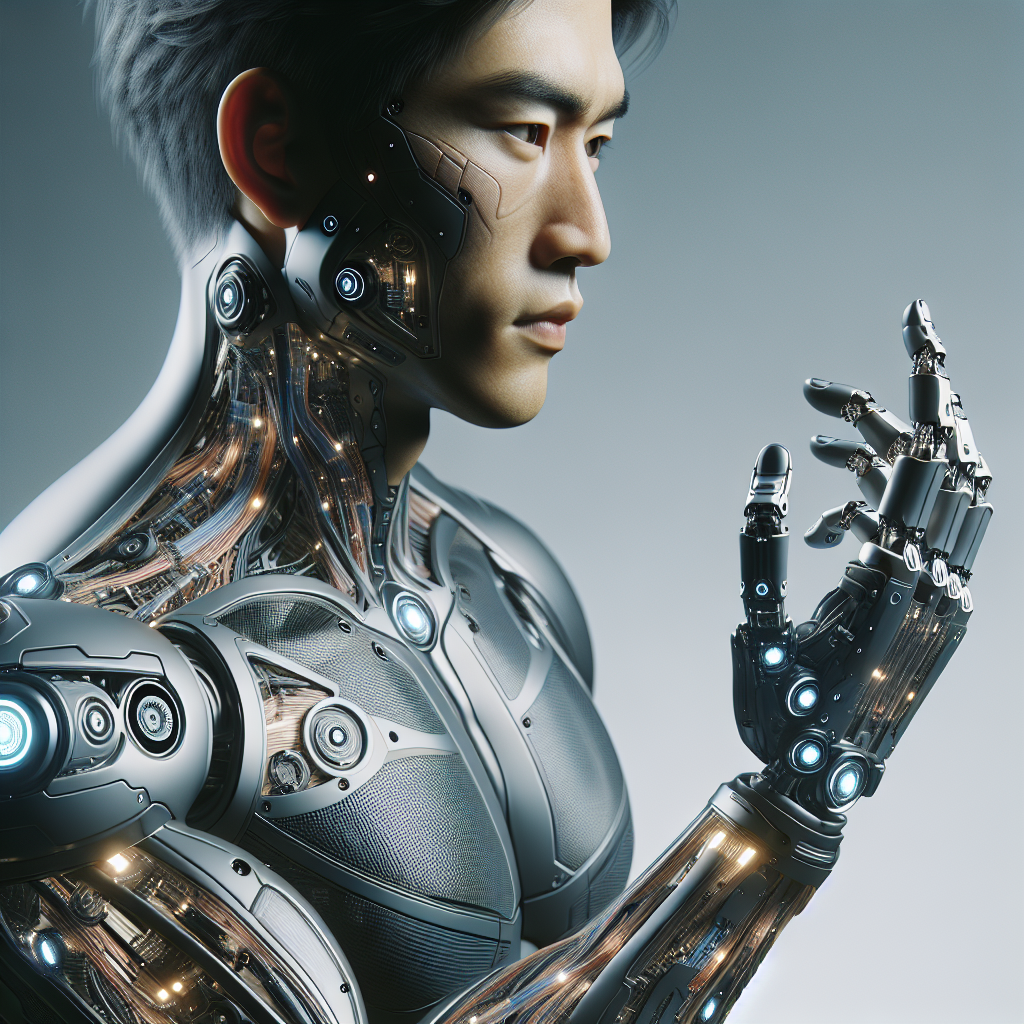
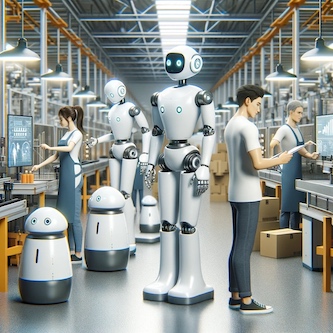
Another way AI is used in factories is through computer vision. This means training machines to recognize objects in pictures and videos. It is used to find defects in products, especially in things like computer chips and circuit boards. Machines with cameras and special algorithms can spot small problems on the surface that humans might miss. AI is also used to make supply chains better. It helps companies analyze and predict where suppliers are and find any problems that might slow things down. This is useful for companies and also gives customers more information about where their products come from.
Some people worry about what AI means for workers. But some companies are using AI to make factories safer. They use cameras and AI to watch for any accidents or dangers. They also use special wearable devices, like exoskeletons, to help workers avoid getting hurt. Experts in the industry think that AI can actually help workers and customers by making things more efficient and meeting their needs. For example, AI can help workers do their jobs better and get products to customers faster.
Overall, AI is changing manufacturing by letting factories monitor processes in real-time, predict when machines need fixing, make sure products are good quality, and make supply chains work better. In the future, it will bring even more exciting things, like factories sharing resources and better information about supply chains. While some people worry about what AI means for workers, it can actually make things safer for them and give more value to both workers and customers. As factories keep using AI, it's important to find a balance between machines doing the work and people being involved to make sure things go well in the future.
Original news source: How factories are deploying AI on production lines (BBC)
📖 Vocabulary:
Group or Classroom Activities
Warm-up Activities:
– News Summary
Instructions: Students are divided into small groups. Each group is given a few minutes to read the article and then work together to summarize the main points of the text in three to four sentences. Afterward, each group presents their summary to the class, and the class discusses the differences and similarities between each summary.
– Vocabulary Pictionary
Instructions: Write down key terms from the article (e.g., artificial intelligence, production line, sensors, computer vision, supply chain, exoskeletons, real-time) on separate pieces of paper. Divide the class into two teams. Students take turns drawing the terms on the board without speaking or writing any words, while their team guesses the vocabulary. The team with the most correctly guessed words wins.
– Opinion Spectrum
Instructions: Create a line in the classroom representing a spectrum of opinions about the impact of AI on the workforce, with one end being "Very Positive" and the other "Very Negative." Read statements from the article about AI's impact on workers and ask students to place themselves along the spectrum based on their personal opinion. Then, have students discuss their positioning with the peers closest to them, sharing their reasons and listening to others' perspectives.
– Future Predictions
Instructions: Have students work in pairs or small groups to discuss the potential future developments in AI within manufacturing as mentioned in the article. They should consider the benefits and challenges these advancements might bring. Each group can then share their predictions with the class, and the class can vote on which predictions they think are most likely to happen.
– Pros and Cons
Instructions: On the board, draw two columns labeled "Pros" and "Cons." Ask students to read the article carefully and then come up with the advantages and disadvantages of using AI in factories as described in the text. Each student writes their ideas on sticky notes and places them in the relevant column. Then, have a class discussion to evaluate the most compelling pros and cons and to discuss any conflicting opinions or interesting points raised.
🤔 Comprehension Questions:
The AI-powered sensors are used to detect issues with factory machines early on to prevent them from breaking down. They listen to sounds and analyze vibrations to figure out if a machine is about to have a problem.
The sensors can predict when a machine might fail, so workers can fix them before they actually break. This helps avoid unexpected stops in production, which can be expensive.
Computer vision is when machines are taught to understand images and videos. In factories, it's used to check products for any defects that are too small or tricky for humans to see.
AI helps companies understand and predict where their supplies are, and find any issues that could delay things. It makes the whole process of getting materials and making products smoother.
Companies use cameras and AI to watch out for accidents or unsafe situations. They also have special gear like exoskeletons that workers can wear to protect themselves from injuries.
Experts say AI can make factories work better and meet people's needs more. It can help workers do their jobs well and get products to customers quicker.
AI is helping factories keep an eye on how things are going in real-time, figure out when machines will need repairs, ensure products are top-notch, and improve how supply chains function. It's also expected to lead to more cool developments, like factories sharing resources and giving better supply chain info.
Some people are worried that AI might take over jobs from humans. But AI can also make jobs safer and add value to the work people do. It's about finding the right mix of machine help and human involvement.
🎧✍️ Listen and Fill in the Gaps:
Factories all over the world are artificial (AI) to make their production lines better and waste less. PepsiCo, for example, is using AI-powered sensors made by a company called Augury. These sensors can find with machines and stop them from breaking down. They have been trained to recognize patterns of malfunctions by listening to lots of audio data. By looking at machine vibrations and collecting information about the machines' health, workers can plan maintenance in advance and avoid costly downtime. The sensors also help save energy and reduce waste. Another way AI is used in is through computer vision. This means training machines to recognize in pictures and videos. It is used to find defects in products, especially in things like computer and boards. Machines with cameras and special algorithms can spot small problems on the surface that humans might miss. AI is also used to make supply chains better. It helps companies analyze and predict where suppliers are and find any problems that might slow things down. This is useful for companies and also gives customers more information about where their products come from. Some people worry about what AI means for workers. But some are using AI to make factories safer. They use cameras and AI to watch for any accidents or dangers. They also use special wearable devices, like exoskeletons, to help workers avoid getting hurt. Experts in the think that AI can actually help workers and customers by making things more and their needs. For example, AI can help workers do their jobs better and get products to customers faster. Overall, AI is changing manufacturing by letting factories monitor processes in real-time, predict when machines need fixing, make sure products are good quality, and make work better. In the future, it will bring even more exciting things, like factories sharing resources and better information about supply chains. While some people worry about what AI for workers, it can actually make things safer for them and give more value to both workers and customers. As factories keep using AI, it's to find a balance between machines doing the work and people being involved to make sure things go well in the future.
💬 Discussion Questions:
1. What is artificial intelligence (AI) to you?
2. How would you feel if a robot could do your homework?
3. Do you like the idea of machines making things instead of people? Why or why not?
4. What kind of job do you think would be safe from robots and AI? Why?
5. Have you ever seen a machine that can do something better than a person? What was it?
6. Do you think it's good for companies to use AI to find problems before they happen? Why?
7. How do you think AI could help in your school or at home?
8. What is a supply chain? Can you think of an example?
9. If you could invent an AI to do any job, what would it be?
10. Do you think it's important for people to still have jobs when robots can do the work? Why or why not?
11. What is an exoskeleton? How do you think it could help people?
12. How do you think AI could make things safer at work or in public places?
13. Do you think AI will make life easier or more complicated in the future? Why?
14. If you had a business, would you use AI? What would you use it for?
15. What do you think about the idea that AI can give more value to workers and customers?
Individual Activities
📖💭 Vocabulary Meanings:
Click a dot next to a word, then click the dot next to its meaning to draw a line connecting them.
Words
Meanings
🔡 Multiple Choice Questions:
🕵️ True or False Questions:
📝 Write a Summary:
Write a summary of this news article in two sentences.
Check your writing now with the best free AI for English writing!