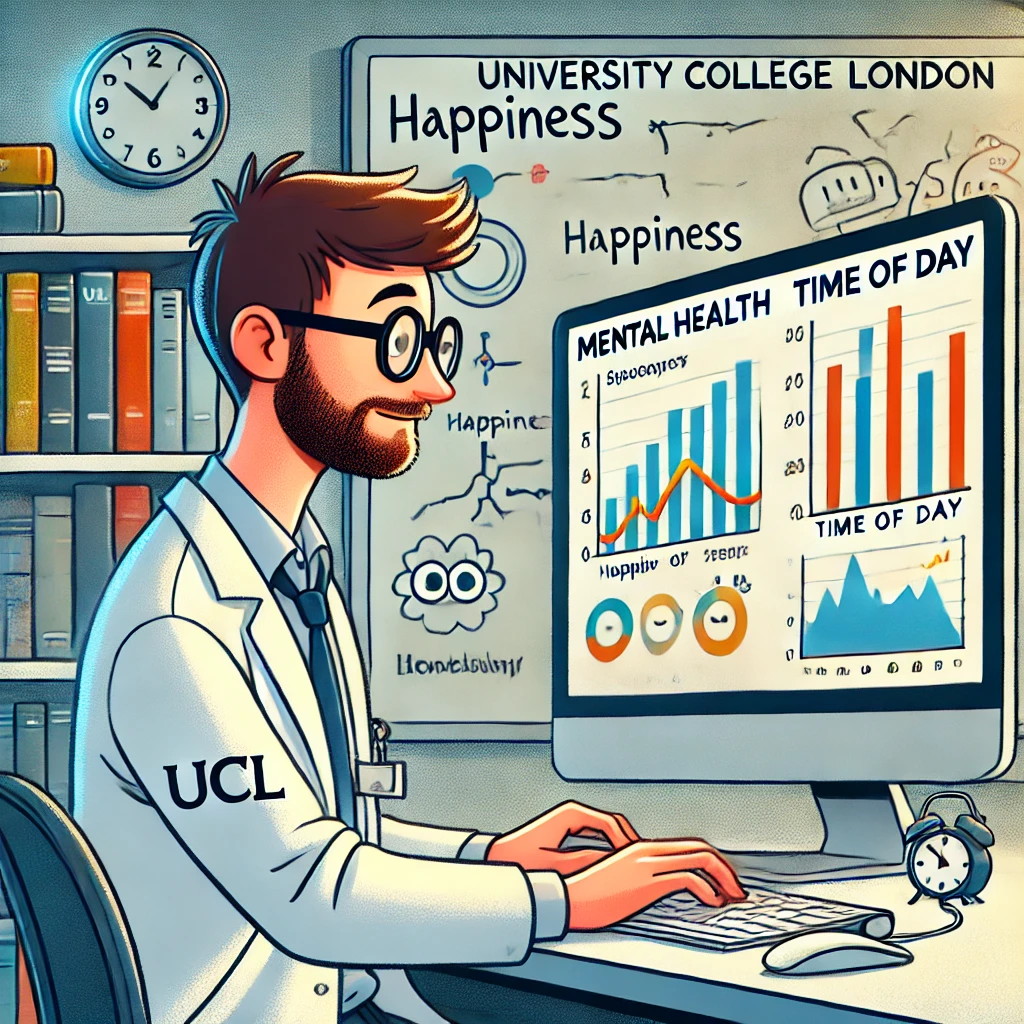
A study from University College London found that people feel worse as the day goes on. The worst feelings happen at midnight and on Sundays. People start their day feeling good, but feel less happy by nighttime. On weekends, feelings change more compared to weekdays.
The study looked at answers from 50,000 adults over two years. They asked about happiness, life satisfaction, and feeling worthy. People felt happiest on Mondays and Fridays. Feeling lonely didn’t change much during the week.
The study can't say exactly why these feelings change. It might be because of changes in the body, like hormone levels. What people do on weekdays and weekends might also affect how they feel. The researchers think more studies are needed to understand this better and help improve mental health support.
Original news source: Scientists find that things really do seem better in the morning (The Guardian)
🎧 Listen:
📖 Vocabulary:
Group or Classroom Activities
Warm-up Activities:
– CHARADES
Instructions: In small groups, students will take turns acting out different feelings mentioned in the article (e.g., happiness, loneliness, feeling worthy) without speaking, while their classmates guess the emotion. This helps them connect emotions to vocabulary.
– OPINION POLL
Instructions: Students will walk around the classroom and ask their classmates questions like "Do you feel happier on weekends or weekdays?" and "When do you feel the most lonely?" They will tally the responses and share their findings with the class, helping practice speaking and listening skills.
– THINK-PAIR-SHARE
Instructions: Students will think individually about how their feelings change throughout the week. They will then pair up with a partner to discuss their thoughts before sharing with the whole class. This encourages speaking practice and sharing personal experiences.
– HEADLINE CREATION
Instructions: In pairs, students will create catchy headlines based on the article's findings about happiness throughout the week. They will present their headlines to the class, practicing writing and speaking skills.
– VOCABULARY PICTIONARY
Instructions: Students will draw pictures representing key vocabulary from the article (e.g., happiness, satisfaction, loneliness) on the board while their classmates guess the word. This visual activity enhances vocabulary retention.
🤔 Comprehension Questions:
People feel worse as the day goes on.
People feel their worst at midnight and on Sundays.
People feel good at the beginning of the day but less happy by the end of the day.
People feel happiest on Mondays and Fridays.
The study asked 50,000 adults.
Feelings might change because of body changes, like hormones, or what people do on weekdays and weekends.
The researchers want to do more studies to understand feelings better and help with mental health support.
🎧✍️ Listen and Fill in the Gaps:
A study from University College London found that people feel worse as the day goes on. The feelings happen at and on Sundays. People start their day feeling , but feel less happy by nighttime. On , feelings change more compared to weekdays. The study looked at answers from 50,000 adults over two . They asked about happiness, life , and feeling worthy. People felt happiest on and Fridays. Feeling lonely didn’t change much during the . The can't say exactly why these feelings change. It might be because of changes in the body, like hormone . What people do on weekdays and weekends might also affect how they . The researchers more studies are needed to understand this better and help improve mental health support.
💬 Discussion Questions:
1. What is a happy day for you?
2. How would you feel if you had to work every day of the week?
3. Do you like Sundays? Why or why not?
4. What is a time when you felt really happy?
5. Do you think people are happier on weekends? Why?
6. How would you feel if you had no friends to spend time with?
7. What is a thing that makes you feel better when you are sad?
8. Do you think it is important to talk about feelings? Why?
9. How would you feel if every day was the same?
10. What is a fun activity you like to do on weekends?
11. Do you think people feel different at night than in the morning? Why?
12. How would you feel if you had to stay home all weekend?
Individual Activities
📖💭 Vocabulary Meanings:
Click a dot next to a word, then click the dot next to its meaning to draw a line connecting them.
Words
Meanings
🔡 Multiple Choice Questions:
🕵️ True or False Questions:
📝 Write a Summary:
Write a summary of this news article in two sentences.
Check your writing now with the best free AI for English writing!