
Free Materials For ESL Teachers and Learners

English Newsroom

Learn English through news articles - complete lesson plans, including articles, listening, classroom activities, quiz questions and more!

Rob Dix Creates Smart Copy of Himself on Website

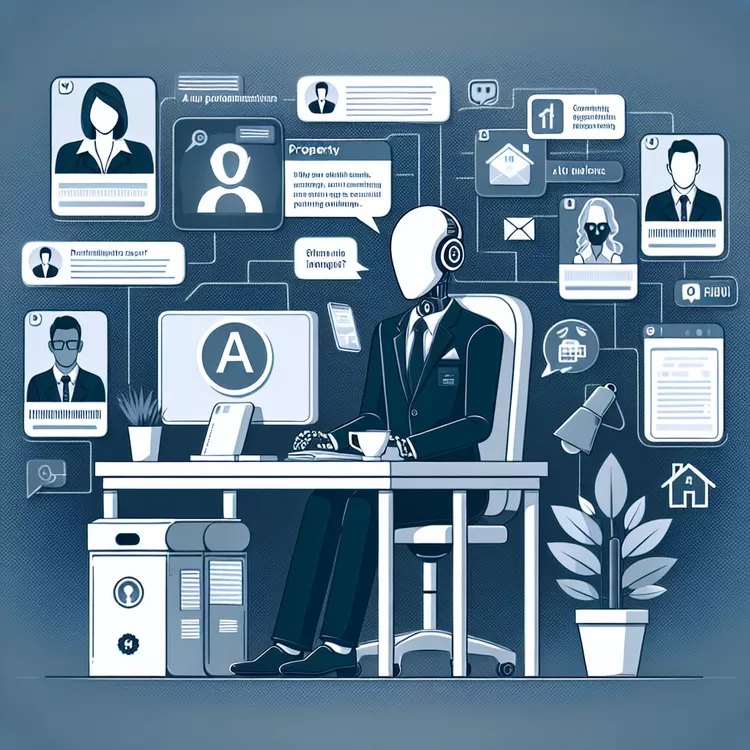
UK property expert Rob Dix has created a digital clone of himself using AI software to answer questions and take on some of his workload, joining a growing trend of individuals using AI clones to scale their availability and provide instant responses to followers or clients.
Try this article at a different level?

A man named Rob Dix made a computer version of himself that can talk to people on his website. This computer helper can answer questions just like Rob would. Rob taught it to sound like him by using his books and other things he has written or said. A company in the UK helped him and about 150 other people make these computer helpers.

These computer versions are made to help people have more free time. They can answer questions and give advice, and they can even talk to customers or workers. People teach the computer by giving it things they have written or said before. But, it's important to make sure the computer says the right things because it can't understand everything like a human can.

Making these computer helpers is becoming more popular. They help people answer questions quickly and be in more than one place at a time. But, some people worry that computers can't handle really hard business problems. It's also important for people to remember they are talking to a computer, not a real person.

Original news source: The people creating digital clones of themselves (BBC)

🎧 Listen:

πŸ“– Vocabulary:

1. computer helper
2. version
3. website
4. questions
5. advice
6. customers
7. workers
8. understand
9. popular
10. business problems
11. remember
12. real person

Group or Classroom Activities

Warm-up Activities:

– Charades
Instructions: Divide the students into teams. Give each team a set of vocabulary words related to computers and technology. One student from each team will act out a word without speaking, and the rest of the team must guess the word. The team with the most correct guesses wins.
– News Summary
Instructions: Have the students read the article individually. Then, in pairs or small groups, have them summarize the main points of the article in their own words. Each group will then present their summary to the class.
– Vocabulary Pictionary
Instructions: Divide the students into pairs. Give each pair a set of vocabulary words from the article. One student from each pair will draw a picture to represent a word, while the other student tries to guess the word. The pair with the most correct guesses wins.
– Speed Summarizing
Instructions: Divide the students into pairs. Give each pair a timer. One student will have 1 minute to summarize the article to their partner, using their own words. After 1 minute, they switch roles. The pair with the most accurate and detailed summary wins.
– Think-Pair-Share
Instructions: Have the students think about and write down their opinions on the statement: "Do you think computer helpers are a good idea?" Then, pair the students up and have them share their opinions with each other. Finally, open up a class discussion and have some students share their opinions with the whole class.

πŸ€” Comprehension Questions:

1. Who made a computer version of himself that can talk to people on his website?

2. How did Rob teach the computer helper to sound like him?

3. What can the computer helper do for people?

4. How do people teach the computer helper?

5. Why is it important to make sure the computer says the right things?

6. Why are these computer helpers becoming more popular?

7. What is important for people to remember when talking to a computer helper?

🎧✍️ Listen and Fill in the Gaps:

A man Rob Dix made a computer version of himself that can talk to people on his website. This computer helper can questions just like Rob would. Rob it to sound like him by using his books and other things he has written or said. A company in the UK him and about 150 other people make these helpers. These computer versions are made to help people have more free time. They can answer questions and give advice, and they can even talk to customers or workers. teach the computer by it things they have written or said before. But, it's important to sure the computer says the things because it can't understand everything like a human can. Making these computer helpers is becoming more popular. They help answer questions quickly and be in more than one place at a time. But, some people worry that computers can't handle really business problems. It's also important for people to remember they are to a computer, not a real person.

πŸ’¬ Discussion Questions:

1. What is a computer helper?
2. How do people teach the computer helper to sound like them?
3. Do you think it's a good idea to have a computer helper? Why or why not?
4. How would you feel if you could have a computer helper to answer your questions?
5. Do you think computers can handle really hard business problems? Why or why not?
6. What are some ways that computer helpers can help people have more free time?
7. How do you think computer helpers can talk to customers or workers?
8. Do you like the idea of talking to a computer? Why or why not?
9. How do you think computer helpers can be useful in our daily lives?
10. What are some things that computers can't understand like humans can?
11. How do you think computer helpers can be improved in the future?
12. Would you like to have a computer helper? Why or why not?

Individual Activities

πŸ“–πŸ’­ Vocabulary Meanings:

Click a dot next to a word, then click the dot next to its meaning to draw a line connecting them.

Words

1. computer helper
2. version
3. website
4. questions
5. advice
6. customers
7. workers
8. understand
9. popular
10. business problems
11. remember
12. real person

Meanings

(A) A place on the internet where you can find information or do things
(B) To know what someone is saying or meaning
(C) A real human being, not a computer
(D) To not forget something
(E) Things you ask when you want to know something
(F) People who buy things or use a service
(G) A computer program that can talk to people and answer their questions
(H) Difficult things that need to be solved in a company
(I) A different form or edition of something
(J) Suggestions or ideas about what to do in a situation
(K) People who do a job for someone
(L) Liked by many people

πŸ”‘ Multiple Choice Questions:

1. How did Rob Dix teach his computer helper to sound like him?
(a) By using his books and other things he has written or said
(b) By asking his friends to talk to the computer helper
(c) By watching movies and TV shows
(d) By going to computer programming classes
2. What can the computer helper do?
(a) Answer questions and give advice
(b) Cook meals and clean the house
(c) Play video games and watch movies
(d) Drive a car and ride a bike
3. How do people teach the computer helper?
(a) By taking it to school and letting it learn from teachers
(b) By playing games and puzzles with it
(c) By giving it money and buying it things
(d) By giving it things they have written or said before
4. Why are these computer helpers becoming more popular?
(a) They can do all the work for people and make them lazy
(b) They help people answer questions quickly and be in more than one place at a time
(c) They are cheaper than hiring real people to help
(d) They can do magic tricks and perform at parties
5. What are some concerns people have about these computer helpers?
(a) That they will take over the world and become our new leaders
(b) That they will become too smart and start thinking for themselves
(c) That computers can't handle really hard business problems
(d) That they will steal people's personal information and use it against them
6. What is important for people to remember when talking to a computer helper?
(a) They should be extra nice to the computer helper so it doesn't get mad
(b) They are talking to a computer, not a real person
(c) They should ask the computer helper to do their homework for them
(d) They should tell the computer helper all their secrets and personal information
7. Who helped Rob Dix and other people make these computer helpers?
(a) A group of scientists from around the world
(b) Rob's family and friends
(c) A team of robots from the future
(d) A company in the UK
8. What is the main purpose of these computer helpers?
(a) To take over the world and become our new leaders
(b) To spy on people and collect their personal information
(c) To help people have more free time by answering questions and giving advice
(d) To replace humans in the workforce and make them unemployed

πŸ•΅οΈ True or False Questions:

These computer versions are designed to assist people in utilizing their free time by answering questions and providing advice.
Computers can't understand everything like humans can, so it's important to make sure they say the right things.
A man named Rob Dix developed a computer version of himself to communicate with people on his website.
Rob taught the computer helper to sound like him by using his books and other things he has written or said.
The computer helpers are unable to communicate with customers or workers.
Some people are confident that computers will be able to handle even the most difficult business problems.
About 150 other people also made these computer helpers with the help of a company in the UK.
People teach the computer by giving it things they have written or said before.

πŸ“ Write a Summary:

Write a summary of this news article in two sentences.
Check your writing now with the best free AI for English writing!


Writing Questions:

1. What did Rob Dix make that can talk to people on his website?
2. How did Rob teach the computer helper to sound like him?
3. What is the purpose of these computer helpers?
4. How do people teach the computer?
5. What are some concerns people have about using computer helpers?

How about these other Level 2 articles?

Online
Class
Writing
Coach
β˜• 컀피 3μž” &
무료 ν”Όλ“œλ°±! πŸŽ“
β˜• 컀피 3μž” & 무료 ν”Όλ“œλ°±! πŸŽ“

X

[100% 온라인] λž­μ»€μŠ€ν„° λŒ€ν•™κ΅ μ˜μ–΄ 연ꡬ μ°Έμ—¬μž λͺ¨μ§‘
λ³„λ„μ˜ μ°Έκ°€λΉ„ 없이 영ꡭ λŒ€ν•™ 연ꡬ에 도움도 μ£Όμ‹œκ³ , 무료 μ˜μ–΄ μ‹€μ „ μ—°μŠ΅κ³Ό ν”Όλ“œλ°±λ„ λ°›μ•„λ³΄μ„Έμš”!

영ꡭ λž­μ»€μŠ€ν„° λŒ€ν•™κ΅(Lancaster University)μ—μ„œ ν•œκ΅­μΈ μ˜μ–΄ ν•™μŠ΅μžλΆ„λ“€μ„ λŒ€μƒμœΌλ‘œ μƒˆλ‘œμš΄ 연ꡬ ν”„λ‘œμ νŠΈλ₯Ό μ§„ν–‰ν•©λ‹ˆλ‹€. μ „ κ³Όμ • 온라인으둜 μ§„ν–‰λ˜μ–΄ μ–΄λ””μ„œλ“  νŽΈν•˜κ²Œ μ°Έμ—¬ν•˜μ‹€ 수 μžˆμŠ΅λ‹ˆλ‹€. μ—¬λŸ¬λΆ„μ˜ μ†Œμ€‘ν•œ μ°Έμ—¬λ‘œ ν•œκ΅­μΈμ˜ μ˜μ–΄ μ‚¬μš© 방식을 μ•Œμ•„λ³΄λŠ” ν₯미둜운 연ꡬ가 μ™„μ„±λ©λ‹ˆλ‹€.

🎁 μ°Έμ—¬ ν˜œνƒ:
– 원어민 μ—°κ΅¬μ›κ³Όμ˜ 1:1 νšŒν™” μ—°μŠ΅
– μ‹€μ „ μ˜μž‘ μ—°μŠ΅ & λ§žμΆ€ν˜• μ˜μ–΄ ν”Όλ“œλ°± 리포트
– 컀피 κΈ°ν”„ν‹°μ½˜ 총 3μž” μ„ λ¬Ό! (첫 μ„Έμ…˜ ν›„ 1μž”, λ§ˆμ§€λ§‰ μ„Έμ…˜ μ™„λ£Œ ν›„ 2μž” 더 λ“œλ €μš”! β˜•β˜•)

πŸ“… μ°Έμ—¬ 방식: 총 2회의 온라인 μ„Έμ…˜ (Zoom 등을 이용, 각 μ„Έμ…˜λ‹Ή μ•½ 60~80λΆ„ μ†Œμš”) λ§ν•˜κΈ°μ™€ μ“°κΈ° ν™œλ™μ΄ μ„žμ—¬ μžˆμ–΄ λΆ€λ‹΄ 없이 즐겁게 μ°Έμ—¬ν•˜μ‹€ 수 μžˆμŠ΅λ‹ˆλ‹€.

βœ… λŒ€μƒ: μ˜μ–΄ μ‹€λ ₯에 상관없이 μ°Έμ—¬λ₯Ό ν¬λ§ν•˜λŠ” 18μ„Έ 이상 ν•œκ΅­μΈ λˆ„κ΅¬λ‚˜

Feedback