


There are a few things that might explain why the temperatures in 2023 are so much higher than we thought. One reason is a natural weather system called El Niño, which happened really quickly this time. El Niño puts more heat into the air, which makes the whole world warmer. Another reason is that there are less air pollutants called aerosols, which usually reflect some of the Sun's energy back into space and cool the Earth. In 2020, rules were made to reduce a harmful air pollutant called sulphur dioxide, but it turns out that this actually made temperatures go up, especially in places where ships go a lot, like the North Atlantic.
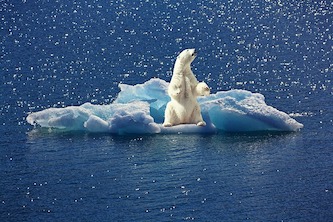
A big volcanic eruption in January 2022 also made things hotter. The eruption let out water vapor into the air, which is a greenhouse gas that makes things warmer. Scientists are still studying how much this eruption affected the temperatures, but it seems like it didn't have a huge impact. Also, the levels of ice in Antarctica are changing, which might be making things heat up even more. When there's less ice, the ocean absorbs more of the Sun's energy, which makes it warmer.
Even though the world is getting hotter faster, it's still within the range of what scientists predicted. That's kind of good news because it means we're not in a really bad situation yet. But, the top climate scientists are warning that things might change even faster in the future. They say that the climate hasn't fully reacted to the greenhouse gases we've already put into the air, and the cooling effect of aerosols might be hiding how much things are really warming up. The extreme weather we're seeing now shows that we need to do something about climate change right away, like using less fossil fuels and finding other ways to make energy.
Original news source: Climate change: Is the world warming faster than expected? (BBC)
📖 Vocabulary:
Group or Classroom Activities
Warm-up Activities:
– News Summary
Instructions: Divide the class into pairs. Each pair will read the article and then have five minutes to summarize the main points in their own words. After five minutes, pairs will switch partners and share their summaries. Encourage students to ask questions and clarify any points they may not have understood.
– Opinion Poll
Instructions: Divide the class into small groups. Each group will discuss their opinions on climate change and its impact based on the information in the article. They should then create a list of questions to ask their classmates about their opinions on climate change. After the questions are created, groups will take turns asking the questions and recording the responses. Encourage students to engage in a respectful and open-minded discussion.
– Vocabulary Pictionary
Instructions: Divide the class into teams. Each team will take turns selecting a vocabulary word from the article. One member of the team will then have one minute to draw a visual representation of the word on the board while their teammates try to guess the word. The team that guesses the word correctly earns a point. Continue playing until all the vocabulary words have been used or until time runs out. The team with the most points wins.
– Synonym Challenge
Instructions: Write a list of key vocabulary words from the article on the board. Divide the class into pairs. Each pair will have five minutes to come up with as many synonyms as possible for each word. After five minutes, pairs will share their lists with the class. Encourage students to explain the meaning of each synonym to ensure comprehension.
– Future Predictions
Instructions: In pairs, students will discuss and make predictions about the future of climate change based on the information in the article. They should consider the potential consequences and possible solutions. After the discussion, pairs will present their predictions to the class. Encourage students to support their predictions with evidence from the article.
🤔 Comprehension Questions:
Some extreme weather events that have been happening in 2023 include super high sea temperatures, less ice in Antarctica, and crazy weather events happening everywhere.
2023 is expected to be the hottest year ever recorded because of the increase in greenhouse gases, such as carbon dioxide, being put into the air by burning fossil fuels.
Greenhouse gases are gases that trap heat in the Earth's atmosphere, causing the planet to warm up. They are being put into the air by human activities, particularly the burning of fossil fuels like coal, oil, and natural gas.
El Niño is a natural weather system that occurs when there is a warming of the ocean surface in the central and eastern parts of the Pacific Ocean. It can cause global temperatures to rise because it puts more heat into the air, making the whole world warmer.
Reducing sulphur dioxide, a harmful air pollutant, actually made temperatures go up because sulphur dioxide has a cooling effect on the Earth. When the rules were made to reduce sulphur dioxide, there were fewer aerosols in the atmosphere to reflect the Sun's energy back into space and cool the Earth, causing temperatures to increase.
The volcanic eruption in January 2022 contributed to the increase in temperatures by releasing water vapor into the air. Water vapor is a greenhouse gas that traps heat, causing things to warm up. However, scientists are still studying the exact impact of this eruption on temperatures.
When there are less ice in Antarctica, the ocean absorbs more of the Sun's energy instead of it being reflected back into space. This absorption of energy by the ocean causes it to warm up, which in turn affects global temperatures.
Climate scientists are warning that things might change even faster in the future because the Earth has not fully reacted to the greenhouse gases that have already been emitted into the atmosphere. Additionally, the cooling effect of aerosols might be hiding the true extent of global warming. The extreme weather events we are currently experiencing indicate that urgent action is needed to address climate change, such as reducing the use of fossil fuels and finding alternative energy sources.
🎧✍️ Listen and Fill in the Gaps:
Climate change is a big problem that is the world get hotter faster than we thought. In 2023, the weather has been really extreme, with super high sea temperatures, less ice in Antarctica, and weather happening everywhere. It's almost certain that 2023 will be the hottest year ever recorded, which scientists didn't expect at the beginning of the year. The main reason for all this warming is because people are putting greenhouse gases, like carbon dioxide, into the air by burning fossil fuels. There are a few that might explain why the temperatures in 2023 are so much higher than we thought. One reason is a natural weather system El Niño, which happened really quickly this time. El Niño puts more heat into the air, which makes the whole world warmer. Another reason is that there are less air pollutants called aerosols, which usually reflect some of the Sun's energy back into and cool the . In 2020, rules were made to reduce a harmful air pollutant called sulphur dioxide, but it turns out that this actually made temperatures go up, especially in where ships go a lot, like the North Atlantic. A big volcanic eruption in January 2022 also made things hotter. The eruption let out vapor into the air, which is a greenhouse gas that makes things . Scientists are still studying how much this eruption affected the , but it seems like it didn't have a huge . Also, the levels of ice in Antarctica are changing, which might be making things heat up even more. When there's less ice, the ocean absorbs more of the Sun's energy, which makes it warmer. Even though the world is getting hotter faster, it's still within the range of what scientists predicted. That's kind of good news because it means we're not in a really bad situation yet. But, the top scientists are that things might change even faster in the future. They say that the climate hasn't fully reacted to the greenhouse gases we've already put into the air, and the cooling effect of aerosols might be hiding how much things are really warming up. The extreme weather we're seeing now shows that we need to do something about climate change right away, like less fossil fuels and finding other ways to make .
💬 Discussion Questions:
1. What is climate change and why is it a big problem?
2. How do you think extreme weather events can affect people's lives?
3. Do you think it's important to reduce greenhouse gas emissions? Why or why not?
4. How would you feel if you lived in a place where the temperatures were getting hotter every year?
5. What do you think are some ways we can reduce our dependence on fossil fuels?
6. Do you think it's fair for some countries to experience more extreme weather events due to climate change than others? Why or why not?
7. How do you think the reduction of air pollutants like aerosols can affect the Earth's temperature?
8. What do you think are some consequences of melting ice in Antarctica?
9. How do you think the world would be different if there were no ice left in Antarctica?
10. Do you think the current efforts to combat climate change are enough? Why or why not?
11. How do you think the climate might change in the future if we continue to emit greenhouse gases at the same rate?
12. What are some alternative sources of energy that we could use instead of fossil fuels?
13. How do you think extreme weather events can impact the economy of a country?
14. Do you think individuals have a responsibility to take action against climate change? Why or why not?
15. How do you think climate change can affect different species of animals and plants?
Individual Activities
📖💭 Vocabulary Meanings:
Click a dot next to a word, then click the dot next to its meaning to draw a line connecting them.
Words
Meanings
🔡 Multiple Choice Questions:
🕵️ True or False Questions:
📝 Write a Summary:
Write a summary of this news article in two sentences.
Check your writing now with the best free AI for English writing!