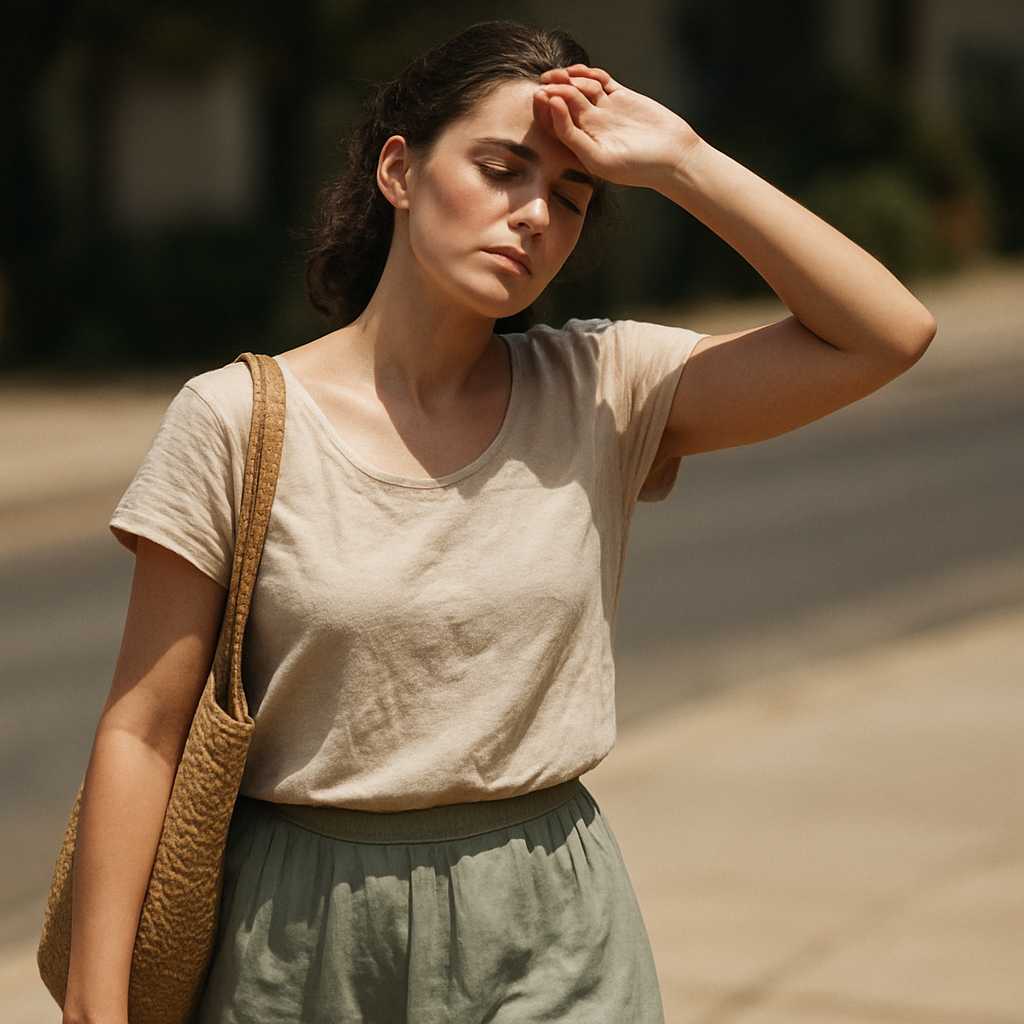
Choosing the right clothes during a heatwave can help you stay more comfortable. While many think white clothes are best because they reflect sunlight, wearing loose-fitting clothing can be just as helpful. Although black absorbs heat, loose black clothes can set up a cooling airflow against the skin. This is particularly effective when the wind passes through breathable fabric.
The fabric of your clothing matters significantly. Natural fibers like cotton and linen allow heat and sweat to escape, helping cool your body down. Moisture-wicking materials such as those used in sportswear can also be beneficial as they draw sweat away from your skin. During humid weather, clothes that allow moisture to evaporate are crucial.
It's important that your clothes fit loosely to promote air circulation. This is why even loose black clothing can be comfortable in the heat. Additionally, wearing damp clothes or using wet cloths can be an easy way to take advantage of the cooling effects of evaporation. Just remember to adapt your style to fit the temperature and weather conditions around you.
Paying attention to these details when dressing can make a big difference in how comfortable you feel in a heatwave. Knowing what works for different conditions helps reduce reliance on energy-demanding cooling systems, which also benefits the environment.
Original news source: What is the best clothing to keep you cool in a heatwave? (BBC)
📖 Vocabulary:
Group or Classroom Activities
Warm-up Activities:
1. What do you usually wear when it's hot outside?
2. Can you remember the hottest day you experienced?
3. How does your country prepare for heatwaves?
4. What types of clothes do you find most comfortable?
5. How does weather affect your clothing choices?
🤔 Comprehension Questions:
Loose black clothing can create a cooling airflow against the skin.
Natural fibers like cotton and linen allow heat and sweat to escape.
They draw sweat away from the skin.
Damp clothes can provide cooling through evaporation.
It helps reduce reliance on cooling systems and improves comfort.
It reduces reliance on energy-demanding cooling systems.
Choosing the right clothes during a heatwave can improve comfort and help the environment.
🎧✍️ Listen and Fill in the Gaps:
Choosing the right clothes during a heatwave can help you stay more comfortable. many think white clothes are best because they sunlight, loose-fitting clothing can be just as helpful. Although black absorbs heat, loose black clothes can set up a cooling against the skin. This is particularly effective when the wind passes through breathable fabric. The fabric of your matters significantly. fibers like cotton and linen allow heat and sweat to escape, cool your body down. Moisture-wicking materials such as those used in sportswear can also be beneficial as they draw sweat away from your skin. During weather, clothes that allow moisture to are crucial. It's important that your clothes fit to promote air circulation. This is why even black clothing can be comfortable in the heat. Additionally, wearing damp clothes or using wet cloths can be an easy way to take advantage of the cooling of evaporation. Just remember to your style to fit the temperature and conditions around you. Paying attention to these details when dressing can make a big in how comfortable you feel in a . Knowing what works for different conditions helps reduce reliance on energy-demanding cooling systems, which also benefits the environment.
💬 Discussion Questions:
1. Do you prefer to wear loose or tight clothes in hot weather? Why?
2. How important do you think fabric choice is when it’s hot outside?
3. Have you ever adjusted your clothing because of unexpected weather changes?
4. What are the environmental benefits of choosing the right clothes for the weather?
5. Do you think fashion should take climate into account?
6. How have your clothing choices changed over the years for summer conditions?
7. What role does culture play in clothing choices during heatwaves?
8. Have you tried any specific clothing brands or fabrics for their cooling properties?
9. How does humidity change how you dress for heat?
10. What are your thoughts on using technology to create better heat-resistant clothing?
11. Have you ever used damp clothing as a way to cool down?
12. What traditional clothing choices do you find effective in hot weather?
Individual Activities
📖💭 Vocabulary Meanings:
Click a dot next to a word, then click the dot next to its meaning to draw a line connecting them.