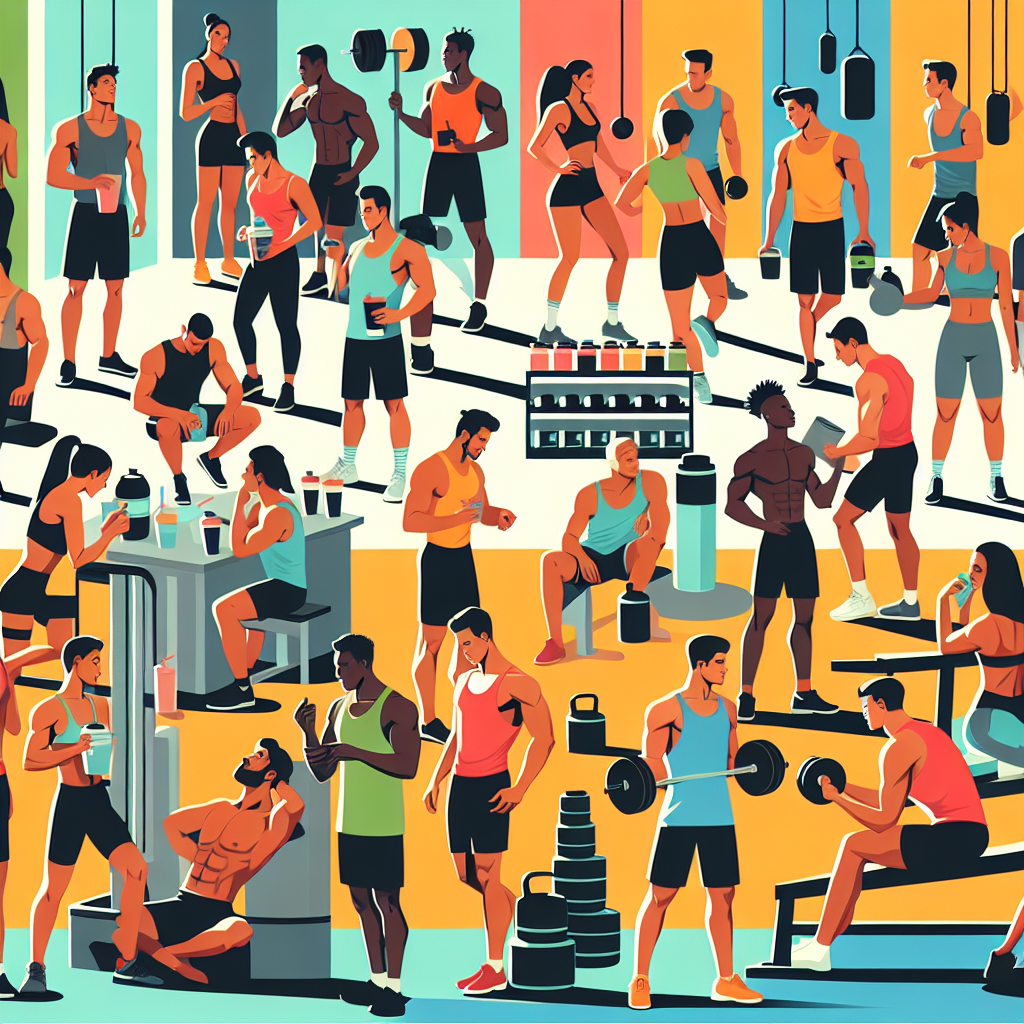
Recent studies show that many teenagers and young adults are using protein shakes, pre-workout mixes, and other dietary supplements, which may be connected to a body image issue called muscle dysmorphia. This condition makes people overly focused on building muscle and being lean. Dr. Kyle Ganson, who led the study and works at the University of Toronto, points out that using supplements like whey protein and creatine can increase the symptoms of muscle dysmorphia.
The research, published in the journal PLOS Mental Health, looked at data from 2,731 people aged 16 to 30. It focused on their use of supplements and signs of muscle dysmorphia. The results showed a strong link between taking weight-gain supplements and more severe symptoms, like spending too much time at the gym and obsessively tracking what they eat. However, since the study is observational, it’s hard to say if using supplements causes muscle dysmorphia or if people with this disorder are more likely to use them.
Muscle dysmorphia is a type of body dysmorphic disorder where people feel their bodies are not good enough, often thinking they need to be leaner and more muscular. Dr. Ganson explains that those with this disorder can face serious social problems and emotional pain. Even if they reach their ideal body, they may still feel unhappy because they see themselves differently than others do. Signs of muscle dysmorphia include strict workout routines, emotional struggles, and avoiding social situations because of body image worries.
Many young adult males use supplements to change their appearance, but a lot of these products are not well regulated, which can be risky for health. Dr. Jason Nagata, a co-author of the study, warns that some supplements might be mislabeled or contain harmful substances. Additionally, using legal muscle-building supplements can sometimes lead to the use of anabolic steroids, which can be very dangerous. To help those with muscle dysmorphia, it’s important to challenge the unrealistic body ideals often seen on social media. Treatment options like cognitive behavioral therapy can help people change how they see themselves, and support from families, healthcare professionals, and coaches is essential.
Original news source: Muscle-building supplements may put teens at risk for a body image disorder, study finds (CNN)
🎧 Listen:
📖 Vocabulary:
Group or Classroom Activities
Warm-up Activities:
– CHARADES
Instructions: Students will act out various terms related to the article (e.g., "protein shakes," "muscle dysmorphia," "gym," "dietary supplements") without speaking, while their classmates guess the terms. This will help them engage with the vocabulary in a fun way.
– NEWS REPORTER ROLE-PLAY
Instructions: In pairs, students will role-play as news reporters presenting a summary of the article. One will act as the reporter, and the other as an expert interviewee. They should include key points such as the findings of the study and the implications of muscle dysmorphia.
– OPINION POLL
Instructions: Create a list of statements from the article related to body image and supplements (e.g., "Using protein shakes is necessary for muscle building"). Students will move around the room, asking classmates whether they agree or disagree, and tallying the results for a class discussion.
– MINDS MAP
Instructions: In groups, students will create a mind map based on the article. They will write "Muscle Dysmorphia" at the center and branch out with related concepts such as causes, symptoms, and treatment options. This will enhance their comprehension and retention of the material.
– PASS THE STORY
Instructions: Students will sit in a circle. The first student starts by summarizing a part of the article, then the next student continues with another part, and so on. This activity encourages listening skills and helps reinforce the structure of the article while practicing speaking.
🤔 Comprehension Questions:
🎧✍️ Listen and Fill in the Gaps:
Recent studies show that many teenagers and young adults are using protein shakes, pre-workout mixes, and dietary , which may be connected to a body image issue called muscle dysmorphia. This condition makes people overly on building muscle and being lean. Dr. Kyle Ganson, who led the study and works at the University of Toronto, points out that using supplements like whey protein and creatine can increase the symptoms of muscle dysmorphia. The research, published in the journal PLOS Mental Health, at data from 2,731 people aged 16 to 30. It focused on their use of supplements and of muscle dysmorphia. The results showed a strong link between weight-gain supplements and more severe symptoms, like spending too much time at the gym and obsessively tracking what they eat. However, since the study is observational, it’s hard to say if using supplements causes muscle dysmorphia or if with this disorder are more likely to use them. dysmorphia is a type of body dysmorphic disorder where people feel their bodies are not good enough, often thinking they need to be leaner and more muscular. Dr. Ganson explains that those with this disorder can face serious social problems and emotional pain. Even if they reach their ideal body, they may still feel unhappy because they see themselves differently than others do. Signs of muscle include workout routines, emotional struggles, and social because of body image worries. Many young adult males use supplements to change their appearance, but a lot of these products are not well regulated, which can be risky for health. Dr. Jason Nagata, a co-author of the study, warns that some supplements might be mislabeled or contain harmful substances. Additionally, using legal muscle-building supplements can sometimes lead to the use of steroids, which can be very dangerous. To help those with muscle dysmorphia, it’s to challenge the body ideals often seen on social media. Treatment like cognitive behavioral therapy can help people change how they see themselves, and support from families, healthcare professionals, and coaches is essential.
💬 Discussion Questions:
1. What is your opinion on the use of dietary supplements among teenagers?
2. How would you feel if someone close to you became obsessed with their body image?
3. Do you think social media influences how people view their bodies? Why or why not?
4. Have you ever felt pressured to look a certain way because of what you see online?
5. What is a healthy way to build muscle without using supplements?
6. How would you react if a friend started using protein shakes or other supplements?
7. Do you think muscle dysmorphia is a serious issue among young people today? Why?
8. What are some signs that someone might be struggling with their body image?
9. Do you like going to the gym? Why or why not?
10. How do you think society can change the way we view body image?
11. Have you ever tried any supplements or special diets? What was your experience like?
12. Do you think it’s important to talk about mental health issues like muscle dysmorphia? Why?
13. How would you feel if you reached your ideal body but still felt unhappy?
14. What is a positive way to support someone who is struggling with their body image?
15. Do you think schools should educate students about body image and health? Why or why not?
Individual Activities
📖💭 Vocabulary Meanings:
Click a dot next to a word, then click the dot next to its meaning to draw a line connecting them.
Words
Meanings
🔡 Multiple Choice Questions:
🕵️ True or False Questions:
📝 Write a Summary:
Write a summary of this news article in two sentences.
Check your writing now with the best free AI for English writing!