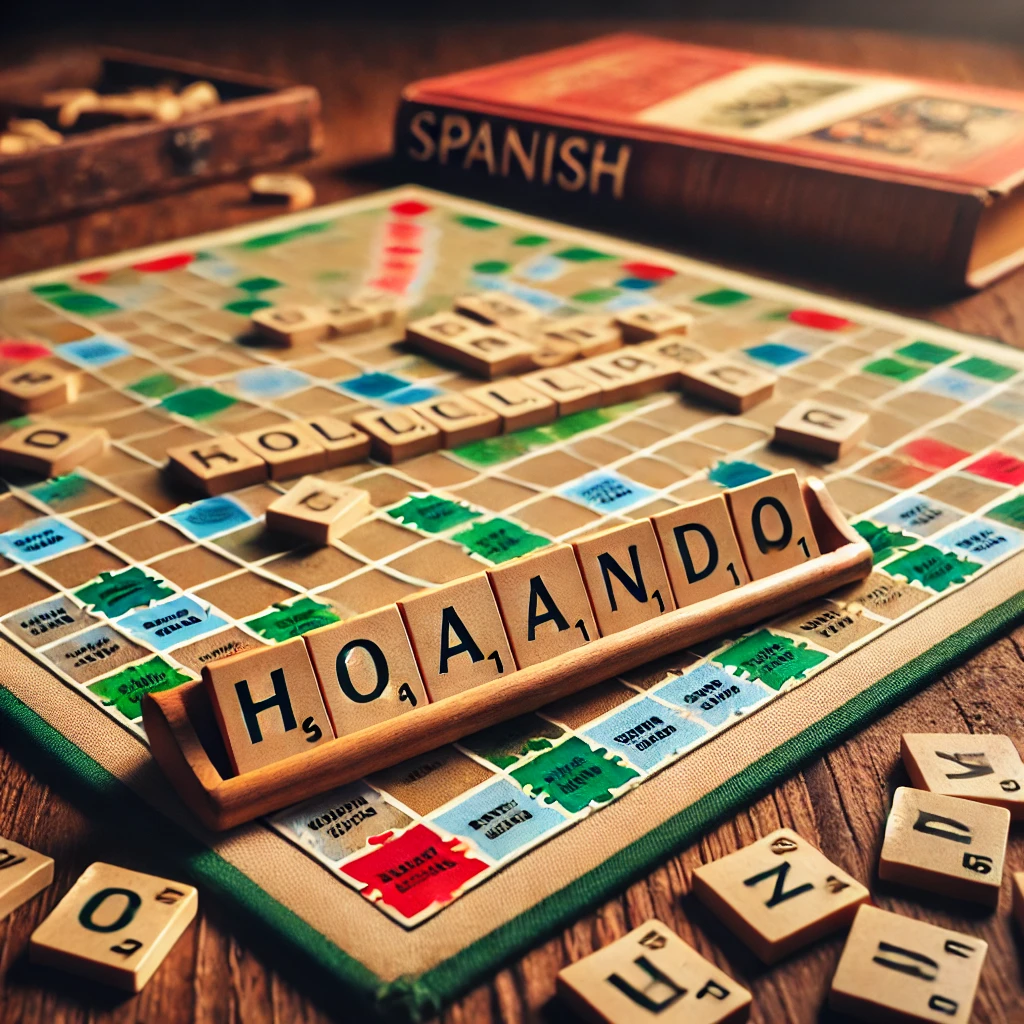
A man from New Zealand named Nigel Richards has achieved something amazing by winning the world title for Spanish-language Scrabble, even though he doesn't speak Spanish. This impressive win happened during his first-ever competitive game in Spanish, which took place in Granada, Spain. He won 23 out of 24 games, showing off his incredible skills. Richards is already well-known in the Scrabble community, having won five world titles in English Scrabble before this.
To prepare for this competition, Richards spent a whole year memorizing the Spanish Scrabble word list. His friend Liz Fagerlund, who is also a Scrabble official in New Zealand, says that Richards has a special talent for visualizing words as pictures, which helps him remember them easily. This unique ability has helped him succeed in many language competitions, making people wonder how he can do so well without knowing the language.
The player who came in second place was Benjamín Olaizola from Argentina, who won 18 games but couldn't beat Richards. Alejandro Terenzani, one of the organizers of the tournament, was amazed by Richards' success, saying that nothing like this had ever happened in Spanish Scrabble before. Many people in the Scrabble community were surprised and impressed by how well Richards played, as they expected him to do well but not to dominate the competition like he did.
Richards is used to competing in languages he doesn't speak. In 2015, he won the French Scrabble world championship after studying the word list for just nine weeks, and he defended his title in 2018. His ability to adapt to different languages and strategies has made him one of the best Scrabble players ever. However, Spanish presented new challenges, like longer words that required a different way of playing. Despite his success, Richards prefers to keep a low profile and doesn't seek out media attention, which adds to the mystery of his amazing achievements in competitive Scrabble.
Original news source: A New Zealander studied for a year to win the Spanish world Scrabble title. He doesn’t speak Spanish (AP News)
🎧 Listen:
📖 Vocabulary:
Group or Classroom Activities
Warm-up Activities:
– CHARADES
Instructions: Divide the class into two teams. Each team will take turns acting out words related to Scrabble or language learning without speaking, while their teammates guess the word. This will help students improve their vocabulary and understanding of related terms.
– OPINION POLL
Instructions: Create a list of statements related to language learning and competition (e.g., "Anyone can learn a new language in a year," "Competing in a language you don’t speak is impressive"). Students will walk around the classroom, asking their classmates whether they agree or disagree with each statement, fostering conversation and critical thinking.
– THINK-PAIR-SHARE
Instructions: Pose a question to the class, such as "What do you think are the biggest challenges of learning a language through memorization?" Students will think about their answers individually, then pair up to discuss their thoughts before sharing with the whole class. This encourages speaking and listening skills.
– SKETCH IT
Instructions: Students will work in pairs. Each pair will choose a key term or concept from the article (e.g., "Scrabble," "competition," "memorization") and create a simple sketch of it on a piece of paper. Afterward, they will present their drawings to the class and explain how it relates to the article.
– FUTURE PREDICTIONS
Instructions: Students will write down their predictions about future language competitions inspired by Richards' achievement and how language learning might change in the future. They will share their predictions in small groups, allowing for discussion about potential trends and innovations in language learning.
🤔 Comprehension Questions:
Nigel Richards won the world title for Spanish-language Scrabble during his first-ever competitive game in Spanish, which took place in Granada, Spain.
Richards won 23 out of 24 games during the competition.
Richards spent a whole year memorizing the Spanish Scrabble word list to prepare for the competition.
Liz Fagerlund describes Richards as having a special talent for visualizing words as pictures, which helps him remember them easily.
Benjamín Olaizola from Argentina finished in second place, winning 18 games.
Alejandro Terenzani was amazed by Richards' success, saying that nothing like this had ever happened in Spanish Scrabble before.
Before the Spanish Scrabble championship, Richards won the French Scrabble world championship in 2015 and defended his title in 2018.
Richards faced challenges like longer words in Spanish that required a different way of playing compared to other languages.
🎧✍️ Listen and Fill in the Gaps:
A man from New Zealand named Nigel Richards has achieved something amazing by winning the world title for Spanish-language Scrabble, even though he doesn't speak Spanish. This win happened during his first-ever game in Spanish, which took place in Granada, Spain. He won 23 out of 24 games, showing off his skills. Richards is already well-known in the Scrabble , having won five world titles in English Scrabble before this. To prepare for this competition, spent a whole year memorizing the Spanish Scrabble word list. His friend Liz Fagerlund, who is also a Scrabble official in New Zealand, says that Richards has a special talent for visualizing as , which helps him remember them easily. This unique ability has helped him succeed in many language competitions, making people wonder how he can do so well without knowing the language. The player who came in second was Benjamín Olaizola from Argentina, who won 18 games but couldn't beat Richards. Alejandro Terenzani, one of the of the tournament, was by Richards' , saying that nothing like this had ever happened in Spanish before. Many people in the Scrabble community were surprised and impressed by how well Richards played, as they expected him to do well but not to dominate the competition like he did. Richards is used to competing in languages he doesn't speak. In 2015, he won the French Scrabble world championship after studying the word list for just nine , and he defended his title in 2018. His ability to adapt to different languages and strategies has made him one of the best Scrabble players ever. However, Spanish presented new challenges, like longer words that required a different way of . Despite his success, Richards prefers to keep a low profile and doesn't seek out attention, which adds to the mystery of his achievements in competitive Scrabble.
💬 Discussion Questions:
1. What is your opinion on someone winning a championship in a language they don't speak?
2. How would you feel if you had to compete in a game using a language you didn't know at all?
3. Do you think it’s possible to be successful in a competition without knowing the language? Why or why not?
4. What is a skill you have that you think could help you succeed in a competition?
5. Have you ever tried to learn a new language? What was your experience like?
6. Do you like playing word games like Scrabble? Why or why not?
7. How do you think memorizing a word list for a whole year would feel?
8. What is a challenge you faced when learning something new? How did you overcome it?
9. Do you think having a special talent, like visualizing words, is more important than hard work? Why or why not?
10. How would you feel if you were in a competition and everyone expected you to lose but you won instead?
11. What do you think makes someone a great competitor in games like Scrabble?
12. Have you ever surprised yourself by achieving something you thought was impossible? What was it?
13. Do you think it’s important for champions to seek media attention? Why or why not?
14. How would you prepare for a competition if you had to learn a new skill or language?
15. Do you think more people should try learning games in different languages? Why or why not?
Individual Activities
📖💭 Vocabulary Meanings:
Click a dot next to a word, then click the dot next to its meaning to draw a line connecting them.
Words
Meanings
🔡 Multiple Choice Questions:
🕵️ True or False Questions:
📝 Write a Summary:
Write a summary of this news article in two sentences.
Check your writing now with the best free AI for English writing!