

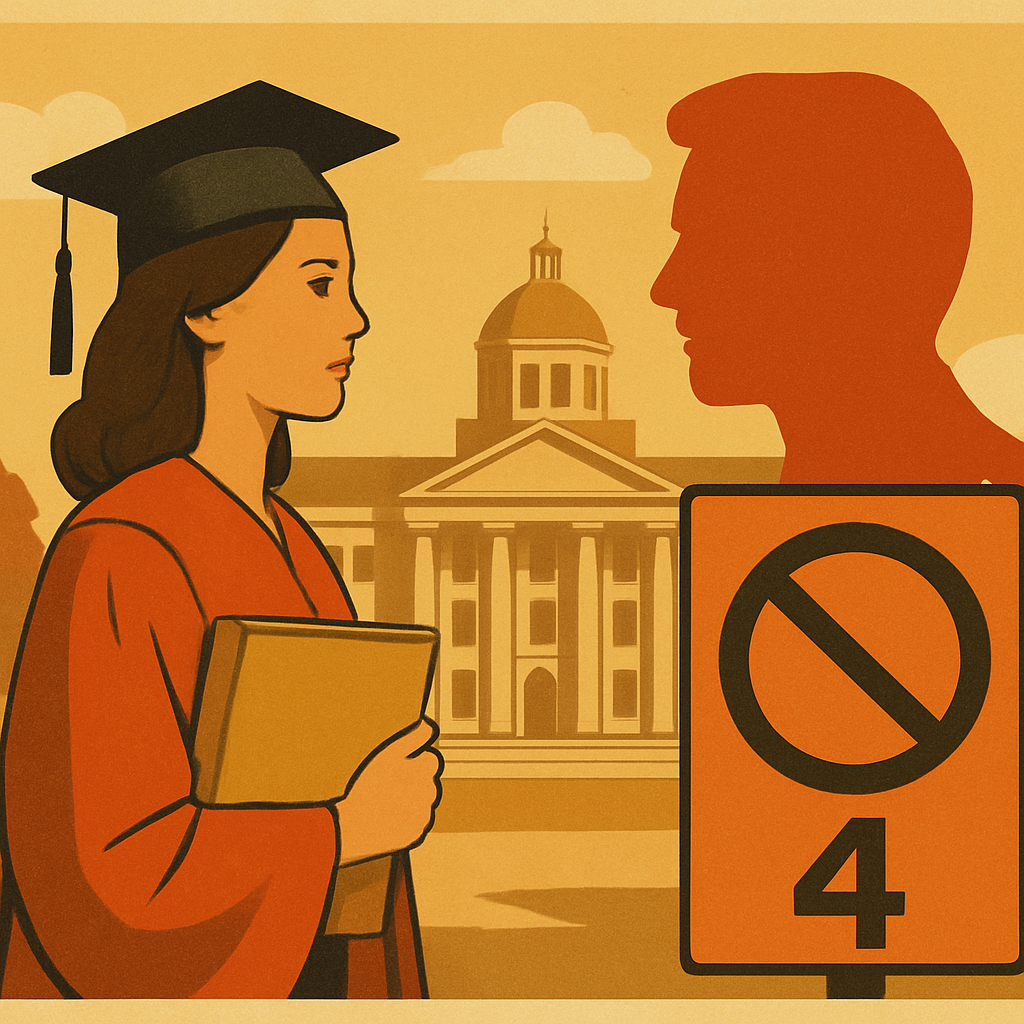
The Trump administration has implemented stricter regulations on student visas for international students. These changes limit the time foreign students can spend in the US to four years unless they receive special permission from federal authorities. Previously, educational institutions had the discretion to extend the duration of a student’s visa based on their academic programs.
The changes will take effect in September and intend to combat what the administration claims is widespread visa abuse while fortifying national security measures. Critics argue that these changes impose unnecessary restrictions and create bureaucratic hurdles for both students and educational institutions. The Association of International Educators labeled the rules "misguided and unnecessary."
Another significant change includes reducing the grace period for students to leave the US or switch their visa status from 60 days to 30 days after completing their studies. Many international students are involved in research-intensive fields that naturally extend beyond four years, such as doctoral programs in science and technology.
Concerns are mounting as these new rules might deter potential international students from pursuing education in the US, potentially affecting the nation’s reputation as a global leader in higher education. Funding and personal situations often delay program completion, making the four-year cap problematic.
Original news source: Trump administration tightens visa rules for foreign students – BBC News (BBC)
🎧 Listen:
📖 Vocabulary:
Group or Classroom Activities
Warm-up Activities:
1. Discuss what you know about student visas and how they work.
2. Have you ever met someone who studied abroad? Talk about their experiences if you can remember.
3. What are some reasons people choose to study in different countries?
4. How do you think studying in another country could affect your future opportunities?
5. Imagine studying in another country. What challenges do you think you might face?
🤔 Comprehension Questions:
They have implemented stricter regulations limiting student visas to four years.
The changes will take effect in September.
The changes are intended to combat visa abuse and strengthen national security.
Critics view them as unnecessary restrictions and bureaucratic hurdles.
The grace period is reduced from 60 days to 30 days.
These programs often take longer than four years to complete, making the cap problematic.
They might deter international students, affecting the US's reputation in higher education.
🎧✍️ Listen and Fill in the Gaps:
The administration has implemented stricter on student visas for international students. These changes limit the time foreign students can spend in the US to four years unless they receive special permission from federal . Previously, institutions had the discretion to extend the duration of a student’s visa based on their academic programs. The changes will take effect in September and intend to combat what the claims is widespread visa abuse while fortifying national security measures. Critics argue that these changes impose unnecessary restrictions and create hurdles for both and educational . The Association of International Educators labeled the rules "misguided and unnecessary." Another significant change includes reducing the period for students to leave the US or switch their visa status from 60 days to 30 days after completing their . Many international students are in research-intensive that naturally extend beyond four years, such as programs in science and technology. Concerns are mounting as these new rules might potential international students from education in the US, potentially affecting the nation’s reputation as a global leader in higher education. Funding and personal situations often program completion, making the four-year cap problematic.
💬 Discussion Questions:
1. Do you agree with limiting student visas to four years? Why or why not?
2. How important do you think international students are to a country's education system?
3. What might be the advantages and disadvantages of studying abroad?
4. How can visa regulations affect international relations?
5. Should countries prioritize their national security over educational opportunities for foreigners?
6. How can educational institutions support international students facing bureaucratic hurdles?
7. What impact do you think these visa changes will have on the US's global education reputation?
8. How can countries balance security concerns with being welcoming to international students?
9. If you could study anywhere in the world, where would you choose and why?
10. How do personal situations, like family or finances, impact a student's decision to study abroad?
11. In what ways might international students contribute to their host country?
12. What do you think are the most critical support systems for international students?
Individual Activities
📖💭 Vocabulary Meanings:
Click a dot next to a word, then click the dot next to its meaning to draw a line connecting them.