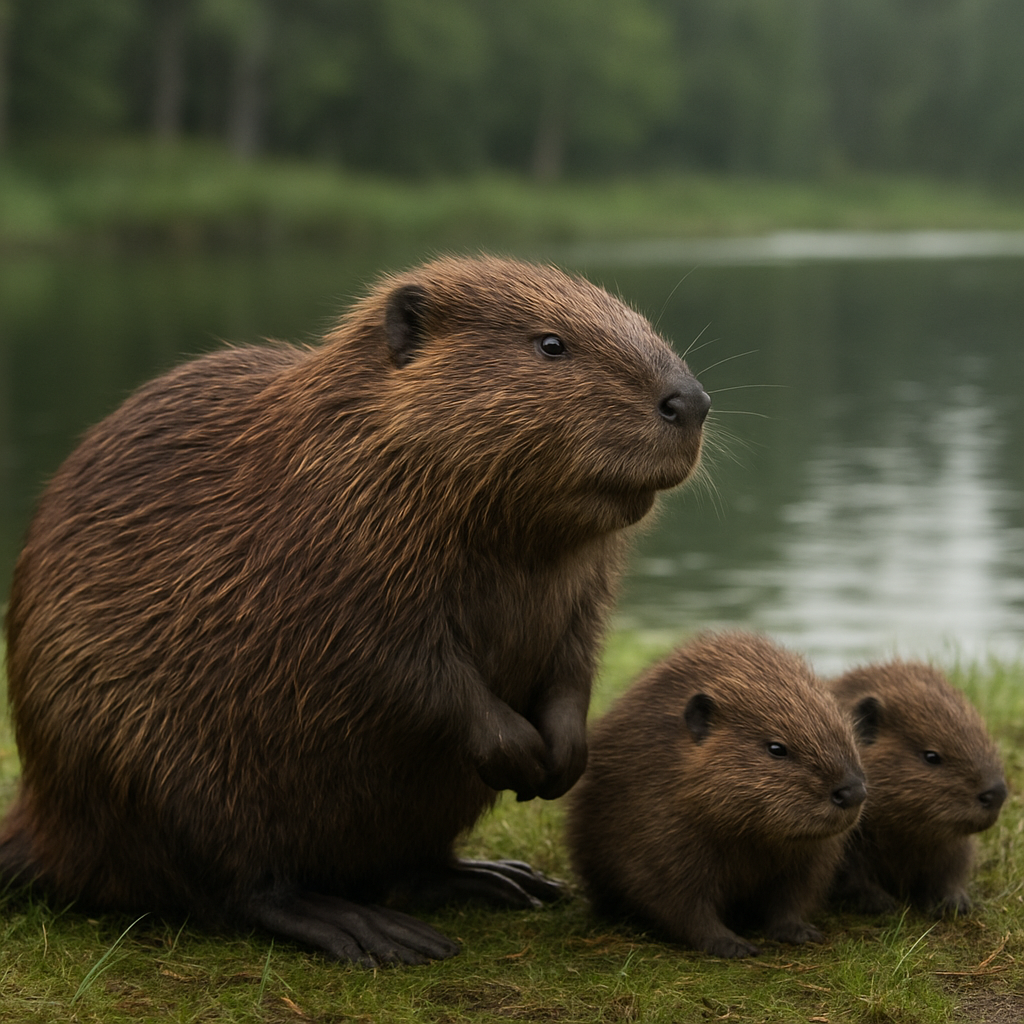
Glen Affric in the Scottish Highlands has witnessed the birth of wild beavers for the first time in over 400 years. A Findhorn-based charity, Trees for Life, announced the sighting of at least two newborn beavers, known as kits, in the area. These beavers were born following the release of several beaver families into the area to promote biodiversity. Despite past illegal releases, this rewilding project is strictly managed by Forestry and Land Scotland to ensure the animals thrive.
The charity expressed delight at the recent development, indicating the healthy progress of the rewilding initiative. Dr. Roisin Campbell-Palmer from the Beaver Trust highlighted the importance of the successful adaptation of the beavers to their new environment. She emphasized how careful management and planning are key to the success of such reintroduction projects. The beavers, now comfortably settled, represent a broader effort to revitalize Scotland's ecosystems through responsible wildlife management.
The emergence of wild-born beavers in Glen Affric symbolizes hope for Scotland’s natural heritage and biodiversity. Such projects showcase the positive effects of human intervention in restoring lost wildlife species. Successful reintroduction offers environmental benefits, improving water systems and enriching local biodiversity. Increased awareness and support for such initiatives are vital for ensuring long-term success and expanding efforts to other locations across the country.
The rewilding efforts reflect a commitment to the Scottish government's National Beaver Strategy, aimed at enhancing natural habitats across Scotland. These initiatives demonstrate how collaborations among conservation groups can lead to meaningful ecological recovery. Positive outcomes such as these bolster public support and inspire further action toward preserving and enhancing our natural world.
Original news source: Glen Affric sees first wild-born beavers in 400 years – BBC News (BBC)
🎧 Listen:
📖 Vocabulary:
Group or Classroom Activities
Warm-up Activities:
1. Have you ever heard of Glen Affric before this lesson?
2. Why do you think reintroducing species could be important?
3. What comes to mind when you think of Scotland's wildlife?
4. Can you think of any other animals that have been reintroduced to the wild?
5. What do you know about conservation efforts in your country?
🤔 Comprehension Questions:
They appeared in Glen Affric, Scottish Highlands.
The charity Trees for Life announced it.
They manage the rewilding project to ensure the beavers thrive.
She highlights the importance of adaptation and successful management.
The reintroduction improves water systems and local biodiversity.
It symbolizes hope for natural heritage and biodiversity restoration.
The project is supported by the National Beaver Strategy.
🎧✍️ Listen and Fill in the Gaps:
Glen Affric in the Scottish Highlands has witnessed the birth of wild beavers for the time in over 400 . A Findhorn-based charity, Trees for Life, announced the sighting of at two newborn beavers, known as kits, in the area. These beavers were born following the of several beaver families into the area to promote biodiversity. Despite past illegal releases, this rewilding is strictly managed by Forestry and Land Scotland to ensure the thrive. The charity expressed delight at the development, indicating the healthy progress of the rewilding initiative. Dr. Roisin Campbell-Palmer from the Beaver Trust highlighted the importance of the successful adaptation of the beavers to their new environment. She emphasized how management and planning are key to the success of such reintroduction projects. The beavers, now comfortably settled, represent a broader to revitalize Scotland's ecosystems through responsible management. The emergence of wild-born beavers in Glen Affric symbolizes hope for Scotland’s natural heritage and biodiversity. Such projects showcase the positive of human intervention in restoring lost wildlife species. Successful reintroduction offers environmental benefits, improving water systems and enriching local biodiversity. Increased awareness and for such initiatives are for ensuring long-term success and expanding efforts to other locations across the country. The rewilding efforts reflect a to the Scottish government's National Beaver Strategy, aimed at enhancing natural habitats across Scotland. These initiatives demonstrate how collaborations among conservation groups can lead to meaningful ecological recovery. Positive outcomes such as these bolster support and inspire further action preserving and enhancing our natural world.
💬 Discussion Questions:
1. What are your thoughts on rewilding projects?
2. How do you feel about human intervention in nature?
3. Do you think rewilding projects should be prioritized?
4. How might local communities benefit from wildlife projects?
5. What challenges do you foresee in reintroduction projects?
6. How could increased awareness improve conservation efforts?
7. Why is biodiversity important for ecosystems?
8. What role should governments play in natural conservation?
9. Can you think of an instance where reintroduction did not work?
10. How can young people get involved in conservation efforts?
11. What are the potential risks of rewilding?
12. Do you think these projects inspire new environmental policies?
Individual Activities
📖💭 Vocabulary Meanings:
Click a dot next to a word, then click the dot next to its meaning to draw a line connecting them.