


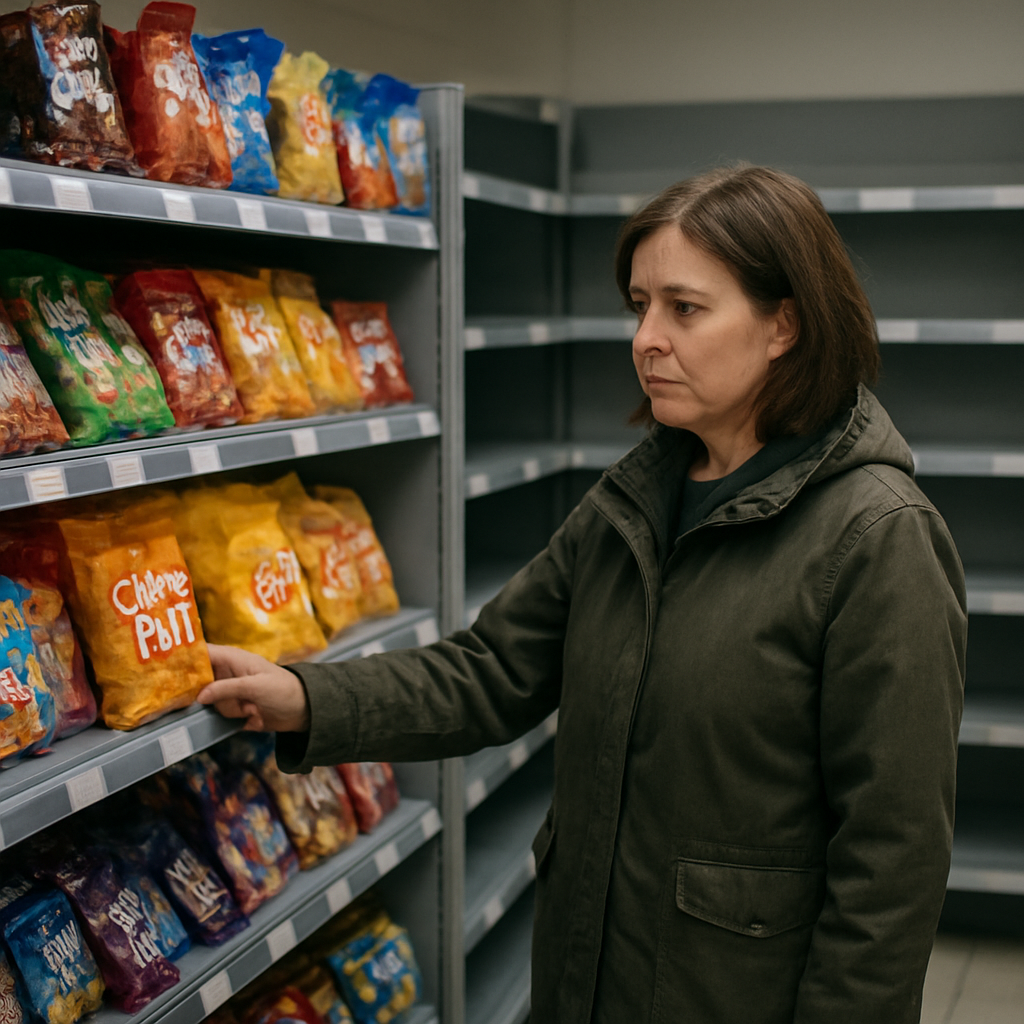
In an effort to curb unhealthy eating habits and promote public health, Scotland has introduced stringent regulations affecting the display and marketing of certain foods in supermarkets. Under the new rules, products high in sugar, fat, or salt, such as sugary drinks and snacks, can no longer be placed in locations that entice consumers, like end-of-aisle displays or near checkout counters.
These regulations apply to all businesses with more than 50 employees, spanning supermarkets, high street retail outlets, and even large restaurants and petrol stations. Promotions like "buy three, get one free" are now prohibited for unhealthy items, with the exception of offers that do not relate to display placement, such as meal deals. The Scottish government is emphasizing transparency in food promotion to encourage healthier choices.
Health experts have noted that over two-thirds of Scottish adults are either overweight or obese, a concerning statistic that prompted these reforms. The Public Health Minister, Maree Todd, stated that visible product placements and promotional strategies significantly impact consumer behavior, leading to excessive consumption of high-calorie items. By restricting these marketing practices, the government aims to steer the public towards making more nutritious decisions.
Online platforms are similarly affected, mandated to remove these unhealthy products from prominent advertisement spaces, such as website homepages. The regulations affect a vast array of products, from common treats like chocolate and crisps to less obvious items such as sweetened almond milk and certain yoghurts, depending on their sugar content.
The Scottish initiative aligns with health policies already in force within England and Wales. Although some industry figures criticize the measures as overly intrusive, the government's stance is steadfast, deeming these actions necessary to achieve significant strides in public health. The new approach aims to dismantle enticing junk food marketing and replace it with opportunities for informed, health-minded decisions by consumers.
Original news source: What are the new rules in Scotland's supermarkets? – BBC News (BBC)
🎧 Listen:
📖 Vocabulary:
Group or Classroom Activities
Warm-up Activities:
1. Discuss known strategies supermarkets use to promote certain products.
2. Talk about the last time you noticed a promotional display affecting your purchase decision.
3. Debate the impact of visible product placement on consumer habits.
4. Share your opinion on government intervention in public health matters.
5. Discuss how online advertising affects your buying choices.
🤔 Comprehension Questions:
To curb unhealthy eating habits and promote public health.
They can no longer be placed in locations that entice consumers, like end-of-aisle displays or near checkout counters.
The regulations apply to all businesses with more than 50 employees.
Over two-thirds of Scottish adults are either overweight or obese.
Online platforms must remove unhealthy products from prominent advertisement spaces, such as website homepages.
A vast array of products, including common treats like chocolate and crisps to less obvious items like sweetened almond milk and certain yoghurts, depending on their sugar content.
It aligns with health policies already in force within England and Wales.
🎧✍️ Listen and Fill in the Gaps:
In an effort to curb unhealthy eating habits and public health, Scotland has introduced stringent regulations the display and marketing of certain foods in supermarkets. Under the new rules, products high in , fat, or salt, such as sugary drinks and snacks, can no be placed in locations that entice consumers, like end-of-aisle displays or near checkout counters. These regulations apply to all businesses with more than 50 employees, spanning supermarkets, high street retail outlets, and even large restaurants and petrol . Promotions like "buy three, get one free" are now prohibited for unhealthy items, with the exception of offers that do not relate to display placement, such as meal deals. The Scottish government is emphasizing transparency in food promotion to encourage healthier . Health experts have noted that over two-thirds of Scottish adults are overweight or obese, a concerning statistic that these reforms. The Public Health Minister, Todd, stated that visible product placements and promotional strategies significantly impact behavior, leading to excessive consumption of high-calorie items. By restricting these marketing practices, the government aims to steer the public towards making more nutritious decisions. Online platforms are similarly affected, mandated to remove these unhealthy products from prominent advertisement , such as website homepages. The affect a vast array of products, from common treats like chocolate and crisps to less obvious such as sweetened almond milk and certain yoghurts, depending on their sugar content. The Scottish initiative aligns with health policies already in force within England and Wales. Although some industry figures criticize the measures as overly intrusive, the stance is , deeming these actions necessary to significant strides in public health. The new approach aims to dismantle enticing junk food marketing and replace it with opportunities for informed, health-minded decisions by consumers.
💬 Discussion Questions:
1. Do you think Scotland's regulations will effectively reduce obesity rates?
2. What is your opinion on government involvement in consumer choices?
3. How do supermarkets in your country handle product placement?
4. Have you ever fallen for a promotional offer? How did it affect your decision?
5. What role should transparency play in food marketing?
6. How have your shopping habits been influenced by product visibility?
7. Do you think other countries should implement similar regulations?
8. How critical are promotions in encouraging unhealthy eating habits?
9. In what ways can consumers be encouraged to choose healthier options?
10. What are the potential downsides to these stringent regulations?
11. How do you balance between wanting a good deal and choosing healthy products?
12. Are there specific foods you avoid based on their marketing or placement?
Individual Activities
📖💭 Vocabulary Meanings:
Click a dot next to a word, then click the dot next to its meaning to draw a line connecting them.