
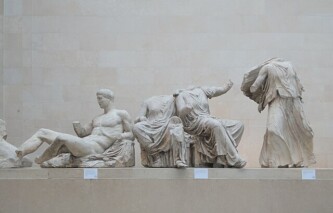
The Greek Prime Minister's plea for the return of the Elgin Marbles highlights the ongoing debate surrounding cultural artifacts and their rightful ownership. The Elgin Marbles are considered significant symbols of Greece's cultural heritage, and many argue that they should be returned to their country of origin. The comparison to cutting the Mona Lisa in half serves to emphasize the importance of keeping historical artifacts intact and preserving their cultural context.
The Elgin Marbles have been a subject of controversy for many years, with Greece consistently calling for their repatriation. The British Museum, on the other hand, argues that the marbles were legally acquired by Lord Elgin and that they are better preserved and displayed in London. The debate raises questions about the ownership and display of cultural artifacts, as well as the responsibility of museums to respect the cultural heritage of other nations.
The issue of repatriation of cultural artifacts is not unique to the Elgin Marbles. Many countries, especially former colonies, have called for the return of their cultural treasures from museums in Western countries. The debate often centers around issues of colonialism, cultural identity, and the preservation of cultural heritage. It is a complex and sensitive topic that requires careful consideration and dialogue between nations.
The call for the return of the Elgin Marbles by the Greek Prime Minister is a reminder of the ongoing discussions and controversies surrounding cultural heritage. It highlights the need for countries to work together to find solutions that respect the rights and interests of all parties involved. The debate serves as a reminder of the importance of preserving and protecting cultural artifacts for future generations to appreciate and learn from.
Original news source: Elgin Marbles in UK 'like cutting Mona Lisa in half' (BBC)
📖 Vocabulary:
Group or Classroom Activities
Warm-up Activities:
– Charades
Instructions: Divide the class into two teams. Each team will take turns acting out a word or phrase related to the article, such as "Elgin Marbles," "Parthenon," or "repatriation." The opposing team will have to guess what word or phrase is being acted out within a certain time limit. The team with the most correct guesses wins.
– News Summary
Instructions: In pairs or small groups, students will take turns summarizing the main points of the article in their own words. They should focus on key details and arguments presented in the article. After each summary, the rest of the class can provide feedback and ask questions for clarification.
– Opinion Poll
Instructions: Provide each student with a set of statements related to the article, such as "The Elgin Marbles should be returned to Greece" or "The British Museum should keep the Elgin Marbles." Students will indicate their agreement or disagreement with each statement by raising their hand or using a scale (e.g. 1-5). After collecting the data, facilitate a class discussion to explore different viewpoints and arguments.
– Sketch It
Instructions: In pairs or small groups, students will choose a key event or argument from the article and create a visual representation of it through a sketch or drawing. They should then present their sketch to the rest of the class, explaining the significance and context of their chosen topic. This activity encourages creativity, comprehension, and critical thinking.
– Keyword Taboo
Instructions: Write down a list of keywords from the article on separate pieces of paper. Each student will take turns picking a keyword and describing it to the class without using the actual word. The rest of the class will have to guess what keyword is being described. This activity helps reinforce vocabulary and comprehension skills while encouraging students to think of alternative ways to express themselves.
🤔 Comprehension Questions:
The Elgin Marbles are a collection of ancient Greek sculptures that were originally part of the Parthenon temple in Athens. They are currently housed in the British Museum in London.
The Greek Prime Minister wants the Elgin Marbles to be returned because they are considered significant symbols of Greece's cultural heritage. He believes that they should be reunited with the remaining half in Greece and preserved in their original cultural context.
The comparison to cutting the Mona Lisa in half emphasizes the importance of keeping historical artifacts intact by highlighting the absurdity and loss that would occur if such a renowned piece of art were to be divided. It underscores the value of preserving artifacts in their original form to maintain their historical and cultural significance.
The British Museum argues that the Elgin Marbles were legally acquired by Lord Elgin and that they are better preserved and displayed in London. They believe that the museum provides a global platform for people from all over the world to appreciate and learn from these ancient artifacts.
The debate over the repatriation of cultural artifacts raises broader questions about ownership, cultural identity, and the responsibility of museums to respect the cultural heritage of other nations. It also raises questions about the impact of colonialism and the preservation of cultural heritage for future generations.
Countries often call for the return of their cultural treasures from Western museums due to issues of colonialism, cultural identity, and the desire to reclaim and preserve their cultural heritage. They argue that these artifacts rightfully belong to their country of origin and should be displayed and interpreted within their cultural context.
The issue of repatriation of cultural artifacts is considered complex and sensitive because it involves navigating issues of history, ownership, and cultural heritage. It requires careful consideration of the rights and interests of all parties involved, as well as respectful dialogue between nations to find mutually agreeable solutions.
The ongoing debate over the Elgin Marbles reminds us about the importance of preserving and protecting cultural artifacts for future generations to appreciate and learn from. It highlights the significance of maintaining the integrity and context of these artifacts and the responsibility of museums to respect the cultural heritage of other nations.
🎧✍️ Listen and Fill in the Gaps:
Prime Minister Kyriakos Mitsotakis has once again called for the return of the Elgin , also known as the Parthenon Sculptures, from the British Museum in London. Mitsotakis the situation to cutting the Mona Lisa in half, emphasizing the importance of reuniting the ancient Greek treasures. The Elgin Marbles were brought to the UK by British diplomat Lord Elgin in the early 19th , and currently, about half of them remain in Greece, housed in the Parthenon Museum. The Greek Prime Minister's plea for the return of the Elgin Marbles highlights the ongoing debate surrounding cultural artifacts and their rightful . The Elgin Marbles are considered significant symbols of Greece's cultural heritage, and many argue that they should be to their country of origin. The comparison to cutting the Mona Lisa in half serves to emphasize the importance of keeping historical artifacts intact and preserving their cultural . The Elgin Marbles have been a subject of controversy for many , with Greece consistently calling for their repatriation. The British Museum, on the other hand, argues that the marbles were legally acquired by Lord Elgin and that they are better preserved and displayed in London. The raises questions about the ownership and display of cultural artifacts, as well as the responsibility of museums to respect the cultural heritage of other nations. The issue of repatriation of cultural artifacts is not unique to the Elgin Marbles. Many , especially former , have called for the return of their cultural treasures from museums in Western countries. The debate often centers around issues of , cultural identity, and the preservation of cultural heritage. It is a complex and sensitive topic that requires careful consideration and dialogue between nations. The call for the of the Elgin Marbles by the Greek Minister is a reminder of the ongoing and surrounding cultural heritage. It highlights the need for countries to work together to find solutions that respect the rights and interests of all parties involved. The debate serves as a reminder of the importance of preserving and protecting cultural artifacts for future generations to appreciate and learn from.
💬 Discussion Questions:
1. What is the significance of cultural artifacts in preserving a country's heritage?
2. How would you feel if a cultural artifact from your country was housed in a museum in another country?
3. Do you think museums have a responsibility to return cultural artifacts to their country of origin? Why or why not?
4. What are some potential benefits of repatriating cultural artifacts to their country of origin?
5. How do you think the debate surrounding the Elgin Marbles reflects larger issues of colonialism and cultural identity?
6. Do you think the ownership and display of cultural artifacts should be determined by legal acquisition or cultural heritage? Why or why not?
7. What role do you think museums play in preserving and protecting cultural artifacts?
8. How do you think the repatriation of cultural artifacts can contribute to a country's sense of national identity?
9. Have you ever visited a museum that displayed cultural artifacts from another country? How did you feel about it?
10. What are some potential challenges in repatriating cultural artifacts, both logistically and politically?
11. How do you think the repatriation of cultural artifacts can impact tourism and the economy of both the country of origin and the country housing the artifacts?
12. Do you think the repatriation of cultural artifacts should be a priority for governments? Why or why not?
13. How do you think the repatriation of cultural artifacts can contribute to intercultural understanding and dialogue?
14. What are some alternative solutions to the repatriation of cultural artifacts that could satisfy both the country of origin and the country housing the artifacts?
15. Do you think the repatriation of cultural artifacts is a form of cultural restitution? Why or why not?
Individual Activities
📖💭 Vocabulary Meanings:
Click a dot next to a word, then click the dot next to its meaning to draw a line connecting them.
Words
Meanings
🔡 Multiple Choice Questions:
🕵️ True or False Questions:
📝 Write a Summary:
Write a summary of this news article in two sentences.
Check your writing now with the best free AI for English writing!