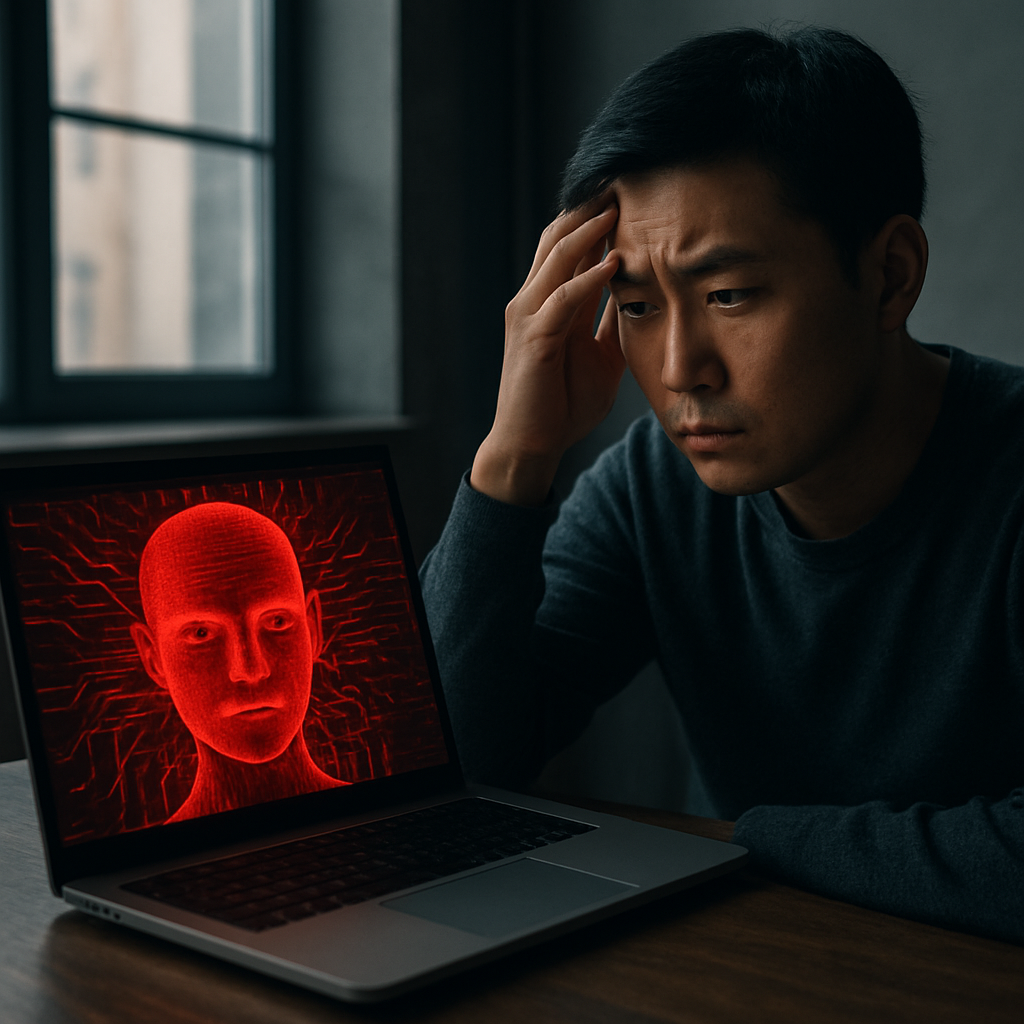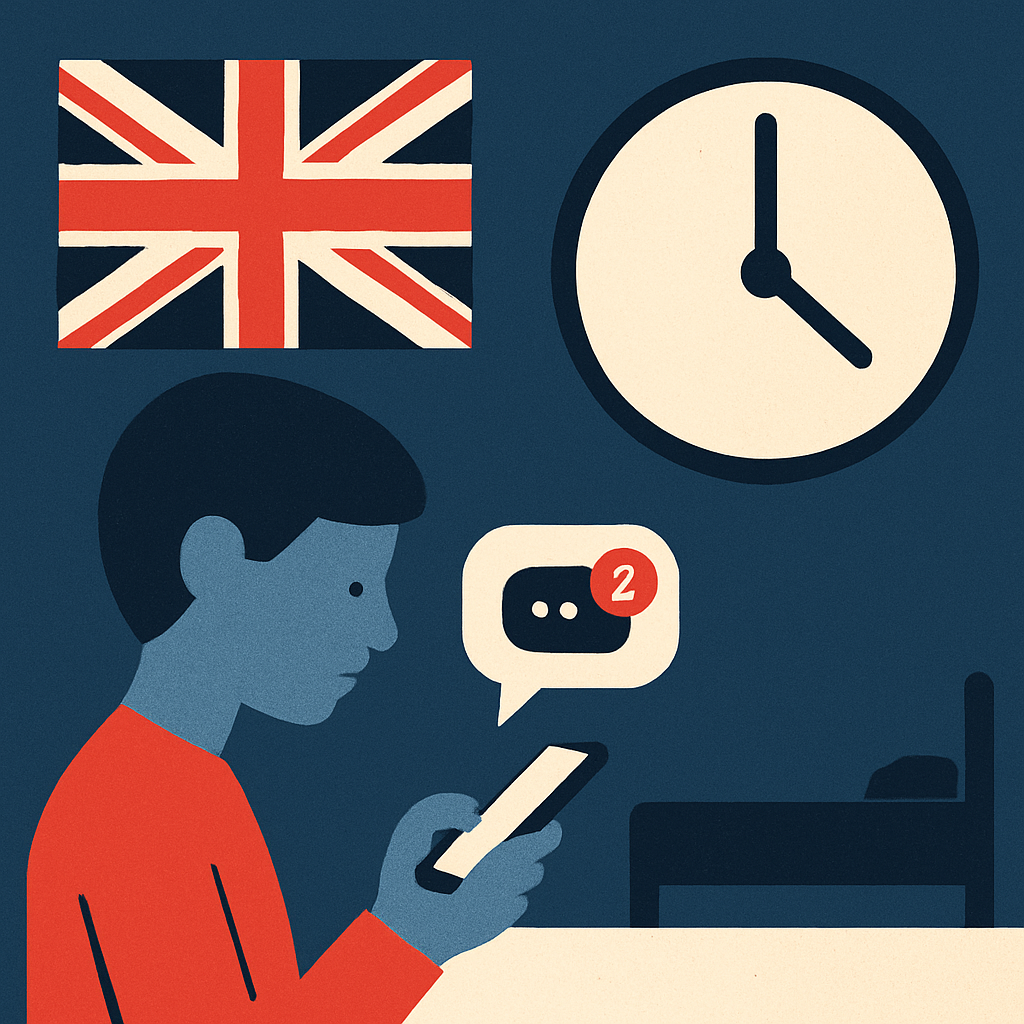
In a bid to enhance teenagers' mental well-being, the UK government has proposed a social media curfew for 16 and 17-year-olds. This initiative would limit access to social media platforms such as Instagram, TikTok, and YouTube from midnight to 6 am, seeking to curb screen time that could affect sleep and daytime focus. By enforcing this curfew, the government hopes to promote healthier habits and family interaction during evening hours.
The proposal includes additional measures to disable features deemed addictive, like auto-play and infinite scrolling. Despite the intent, critics argue that the plan lacks depth, as teens could easily disable the curfew via account settings. Some experts, including child safety advocates, call for a more robust scheme that addresses broader online safety concerns. They stress that while curfews might reduce distractions, they could also restrict access to crucial online support for vulnerable teens.
Criticism also extends to the perceived simplicity of the approach, with Laura Trott, the Conservative shadow education secretary, deeming it insufficient for genuine safety improvements. Furthermore, testimonials from trials conducted with UK families indicate mixed outcomes, underscoring the complexity of balancing restriction with mental health needs.
The proposed curfew aligns with measures previously implemented in Australia, aiming to combat teenagers' excessive use of social media. However, Australia's approach has been scrutinized for its effectiveness, given the ease with which teenagers circumvent these restrictions. This adds to the skepticism regarding age verification processes and the overall feasibility of implementing such a curfew in the UK.
The government plans to introduce these regulations into Parliament by the end of 2026, in tandem with an overall social media ban for those under 16. As the debate progresses, stakeholders continue to examine how best to protect young people while allowing them the benefits of digital engagement.
Original news source: Midnight social media curfew proposed for older UK teens – BBC News (BBC)
🎧 Listen:
📖 Vocabulary:
Group or Classroom Activities
Warm-up Activities:
1. Describe your daily use of social media and its impact on your routine.
2. Share a recent experience where screen time affected your sleep.
3. Discuss a habit you have that you consider healthy.
4. Have you ever tried to curb a habit successfully? Share your experience.
5. What do you think are the benefits of family interaction in the evenings?
🤔 Comprehension Questions:
Enhancing teenagers' mental well-being.
16 and 17-year-olds.
From midnight to 6 am.
Critics argue that the plan lacks depth, and it's easy for teens to disable the settings.
Laura Trott is the Conservative shadow education secretary, and she sees the proposal as insufficient.
Australia's approach.
By the end of 2026.
🎧✍️ Listen and Fill in the Gaps:
In a bid to enhance teenagers' mental , the UK government has proposed a media curfew for 16 and 17-year-olds. This initiative would limit access to social media platforms such as Instagram, TikTok, and YouTube from midnight to 6 am, seeking to curb screen time that could affect sleep and focus. By enforcing this curfew, the government hopes to healthier habits and family interaction during evening hours. The proposal includes additional measures to disable features deemed addictive, like and infinite . the intent, critics argue that the plan lacks depth, as teens could easily disable the curfew via account settings. Some experts, including child safety advocates, call for a more robust scheme that addresses broader online safety concerns. They stress that while curfews might reduce distractions, they could also restrict access to crucial online support for vulnerable teens. Criticism also to the perceived simplicity of the approach, with Laura , the Conservative shadow education secretary, it insufficient for genuine safety improvements. Furthermore, testimonials from trials conducted with UK families indicate mixed outcomes, underscoring the complexity of balancing restriction with mental health needs. The proposed curfew aligns with measures previously implemented in Australia, aiming to teenagers' excessive use of social media. , Australia's approach has been scrutinized for its effectiveness, given the ease with which teenagers circumvent these restrictions. This adds to the skepticism regarding age verification processes and the overall feasibility of implementing such a in the UK. The government plans to introduce these regulations into Parliament by the end of 2026, in with an overall social media ban for those under 16. As the progresses, stakeholders to examine how best to protect young people while allowing them the benefits of digital engagement.
💬 Discussion Questions:
1. What do you think about the idea of a social media curfew?
2. How do you believe social media impacts teenagers' mental health?
3. Do you think disabling addictive features like auto-play is effective?
4. How would you address the potential negative impacts of social media?
5. Do you agree with critics who say the proposal is too simplistic?
6. Should governments intervene in teenagers' use of social media?
7. Are there other countries with similar social media regulations?
8. How would you ensure the feasibility of such proposals?
9. What role do parents play in managing their children's screen time?
10. What are some digital benefits that teenagers might lose due to the curfew?
11. How can vulnerable teens be supported without social media?
12. Is it possible to balance digital engagement with well-being effectively?
Individual Activities
📖💭 Vocabulary Meanings:
Click a dot next to a word, then click the dot next to its meaning to draw a line connecting them.