

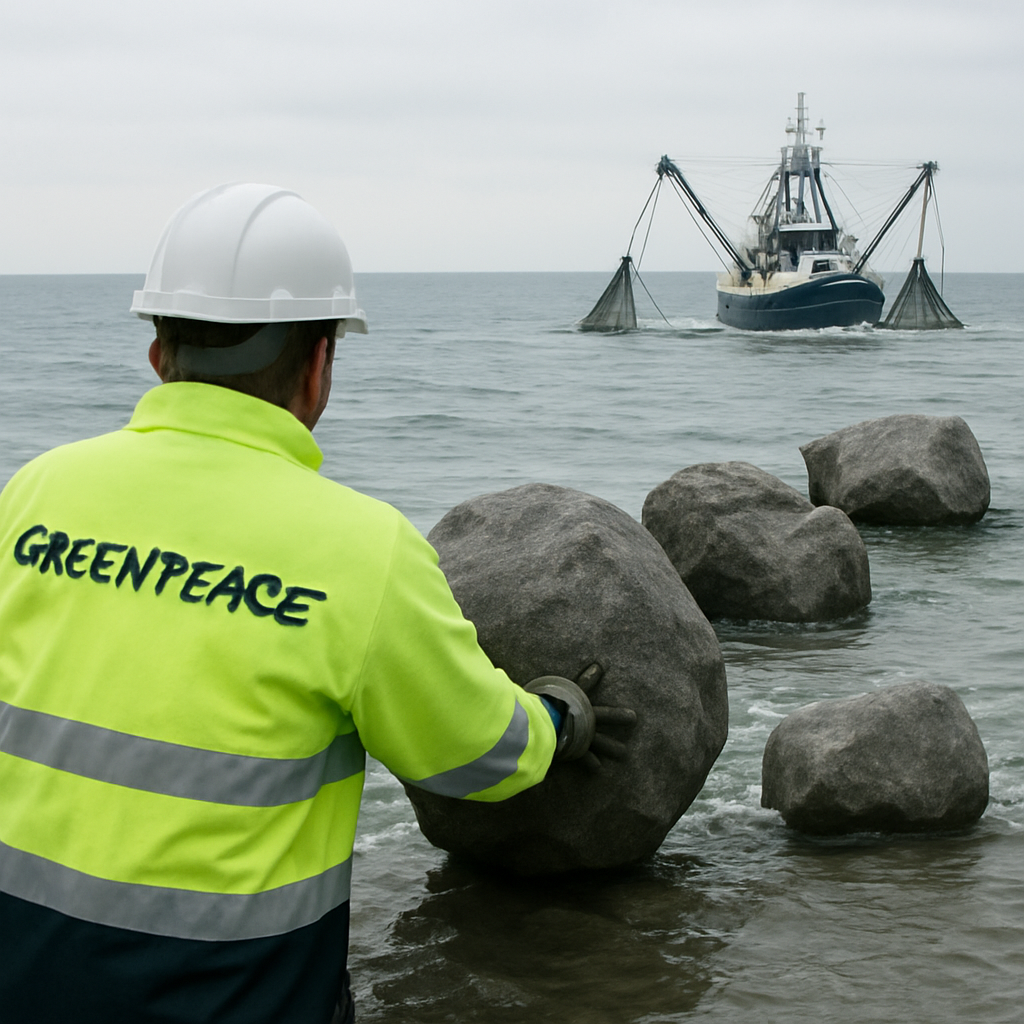
Greenpeace placed nine large boulders in the North Sea near England. This action aims to prevent harmful fishing that destroys sea life. The ship, Arctic Sunrise, did not have a permit for this activity. However, Greenpeace believes it's a crucial move to protect the environment.
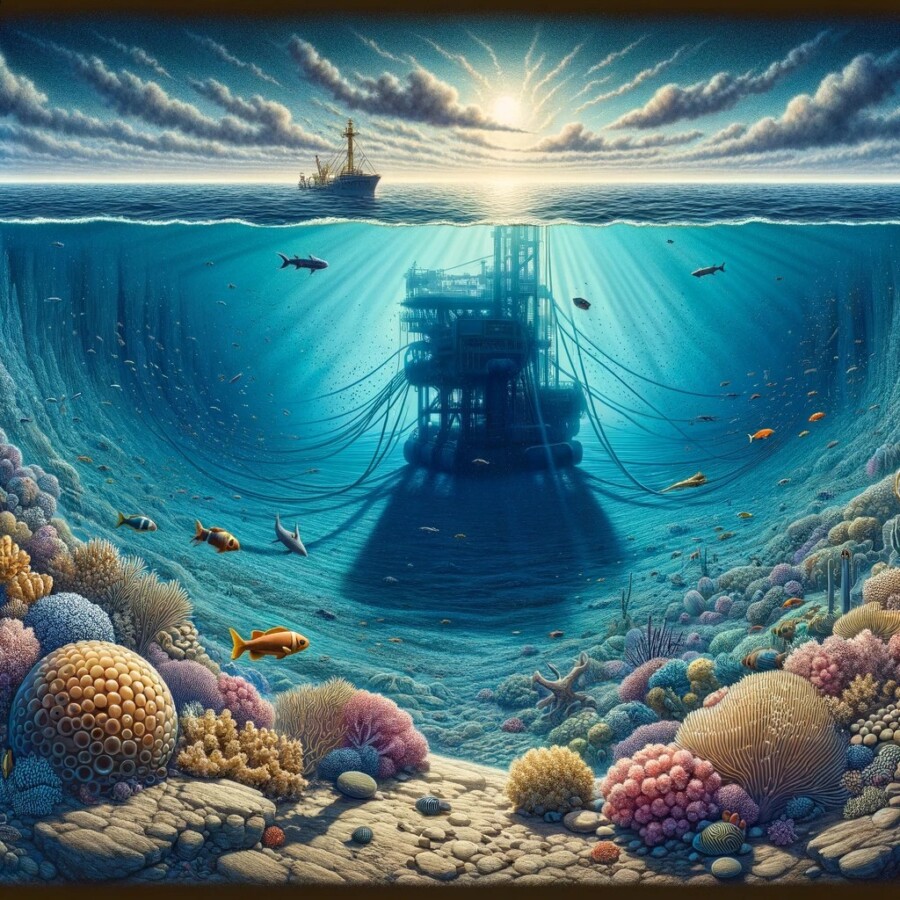
Bottom trawling, the fishing method they want to stop, involves dragging heavy nets along the sea floor. This method can damage underwater habitats and scare away marine mammals like porpoises. The government says sea activities need to be lawful. Greenpeace argues that legal measures have been too slow to protect the oceans.
In the past, Greenpeace has taken similar action elsewhere. They placed rocks off the coast of Cornwall in 2022. The group hopes that their actions will push for better protection of marine areas. The government agency responsible for marine protection has expressed its disappointment with Greenpeace's methods.
Original news source: Greenpeace drops boulders in North Sea fishing grounds off Norfolk – BBC News (BBC)
🎧 Listen:
📖 Vocabulary:
Group or Classroom Activities
Warm-up Activities:
1. What do you know about Greenpeace?
2. Why do you think protecting the ocean is important?
3. Have you ever heard of other environmental groups?
4. How do you feel about fishing and its impact on the sea?
5. Can you think of reasons why some people might disagree with Greenpeace's actions?
🤔 Comprehension Questions:
Greenpeace placed nine large boulders there.
They were placed to prevent harmful fishing.
No, it did not have a permit.
It is a fishing method that drags heavy nets on the sea floor.
It damages underwater habitats and scares marine mammals.
They placed them off the coast of Cornwall.
The government agency expressed its disappointment.
🎧✍️ Listen and Fill in the Gaps:
Greenpeace placed nine large boulders in the Sea near England. This action aims to harmful fishing that destroys sea life. The ship, Arctic Sunrise, did not have a permit for this activity. , believes it's a crucial move to the environment. Bottom trawling, the fishing method they want to stop, involves dragging heavy nets along the sea floor. This method can damage underwater and scare away marine mammals like porpoises. The government says sea need to be lawful. Greenpeace argues that legal measures have been too slow to protect the oceans. In the past, Greenpeace has similar elsewhere. They placed rocks off the coast of Cornwall in 2022. The group hopes that their actions will for better protection of areas. The government agency responsible for marine protection has expressed its with Greenpeace's methods.
💬 Discussion Questions:
1. Do you think Greenpeace's actions will help the ocean?
2. How important is it to protect marine life?
3. What are some other ways to protect the sea?
4. Do you think the government should do more to help the ocean?
5. What do you know about other methods of fishing?
6. How would you feel if you saw damaged ocean habitats?
7. What role do animals play in the sea ecosystem?
8. Do you think people take care of the environment well?
9. How can students help the ocean and environment?
10. What if the sea life disappeared, how would it affect us?
11. Why is it important to have lawful sea activities?
12. How can people balance fishing and protecting sea life?
Individual Activities
📖💭 Vocabulary Meanings:
Click a dot next to a word, then click the dot next to its meaning to draw a line connecting them.