
Starbucks China Implements New Policy for Sitting
Starbucks in China now requires buying something to use their seating.



Starbucks in China now requires buying something to use their seating.

Canada’s maple syrup reserve hits a 16-year low due to climate change, but experts reassure consumers for now.

Virtual influencers like Noonoouri are breaking into the music industry, raising concerns about the role of AI and the future of human artists.
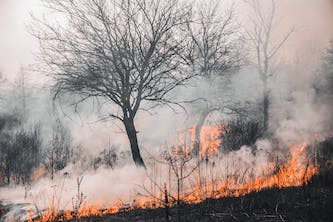
Climate change could lead to more lightning strikes in northern forests, increasing wildfire risk.

Japan’s preparedness and investment in infrastructure have helped minimize casualties during earthquakes.

TheMalibuArtist captures possible birth of great white shark, but experts urge caution and further evidence.

New Zealand’s sheep population is declining, reflecting a shift towards dairy farming and carbon forestry.

41 Indian workers trapped in a collapsed tunnel for over two weeks were successfully rescued in a challenging operation.

Cold water cup noodles are Japan’s latest viral summer snack.

Starting your fitness journey in December or late autumn can be more effective and less intimidating than waiting until January, as the slower pace of the season and less crowded gyms can provide a more comfortable environment to build healthy habits and confidence.
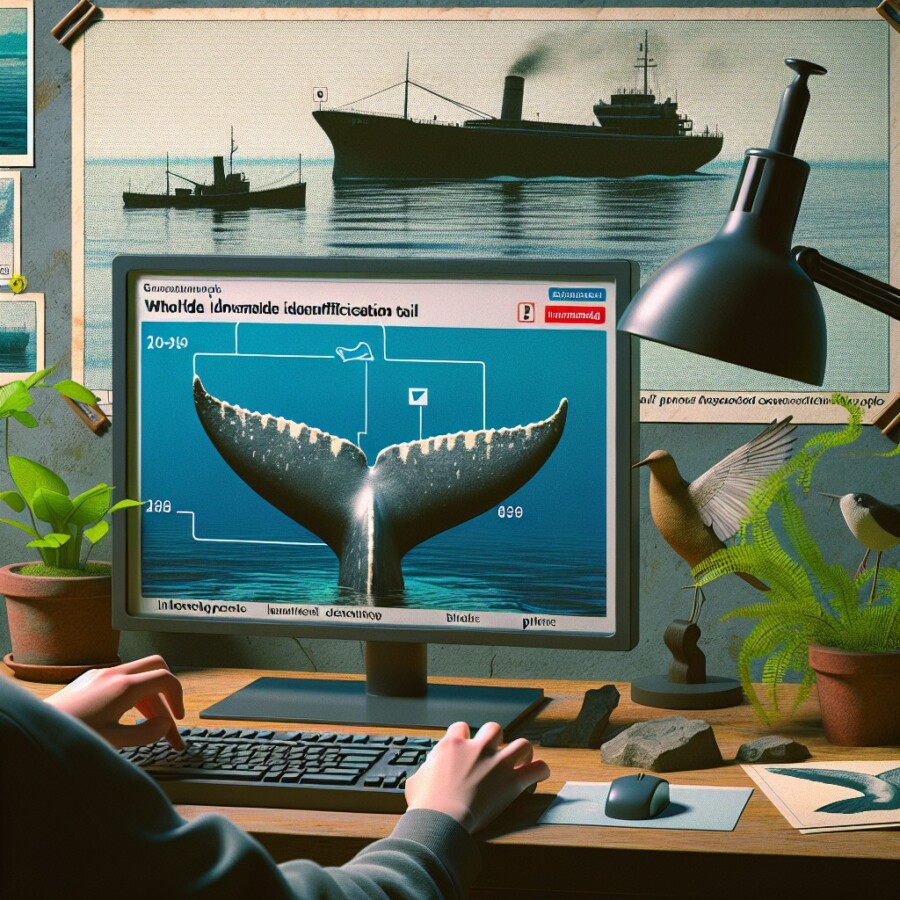
AI image recognition apps like HappyWhale, Merlin Bird ID, and iNaturalist are not only helping users identify and learn about wildlife, but also contributing to conservation efforts by tracking populations and raising awareness about declining species.

Chinese electric car maker BYD is emerging as a strong competitor to Tesla, with its shares jumping after it announced expected third-quarter profits to more than double compared to last year.

Deforestation in Brazil’s Amazon rainforest drops by 50% in 2023, the lowest in five years.
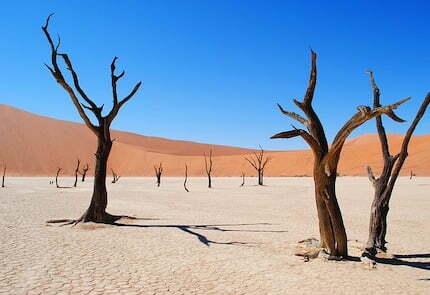
African leaders propose global carbon tax regime to help poorer nations cope with climate change.

Apple’s Vision Pro headset, set to be released on February 2nd in the US, has faced production issues, with forecasts reduced from one million units to 400,000 in 2024.