


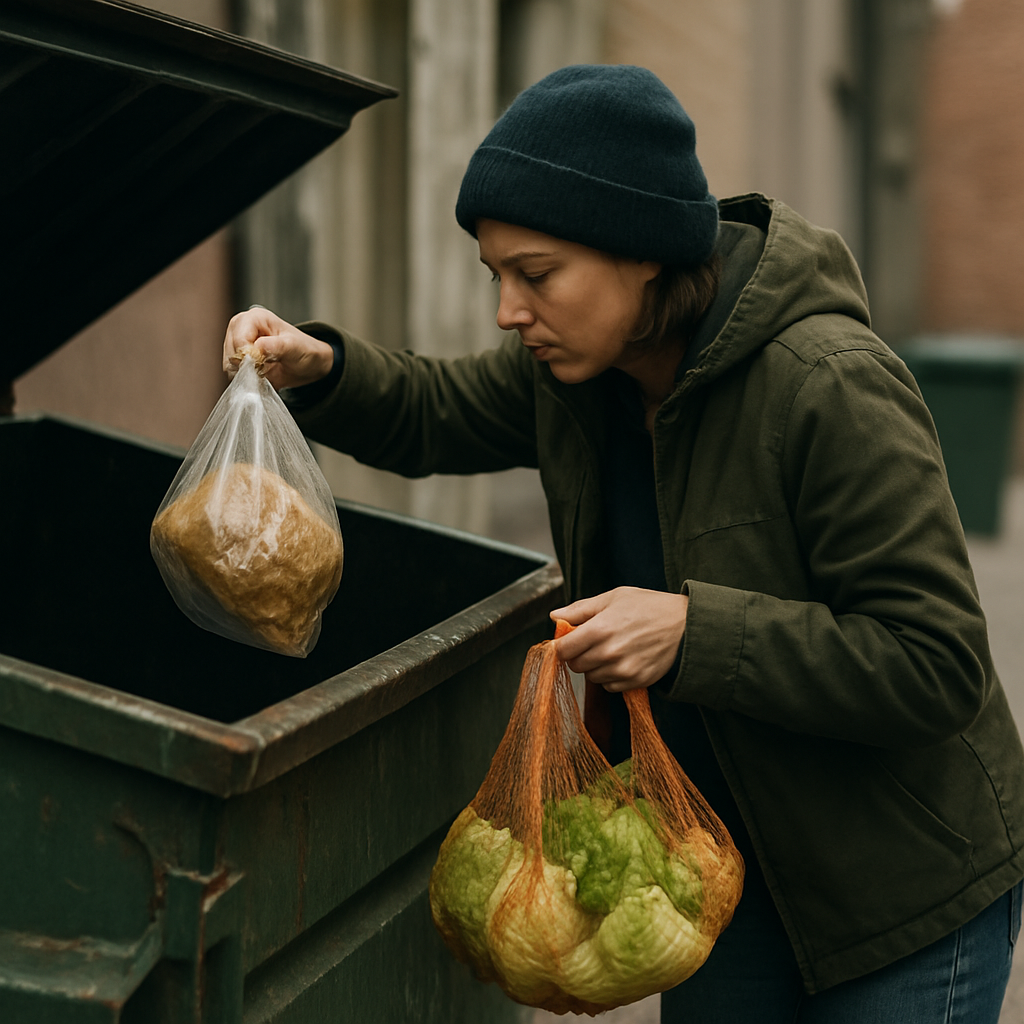
Dumpster diving—a once-stigmatized practice—is increasingly being recognized for its ability to challenge consumer culture, promote sustainability, and uncover unexpected value. Skilled divers like Darryl Baker from London make it a point to explore local supermarket dumpsters, often discovering branded clothing items and other valuables that would otherwise end up in landfills. She saves hundreds of pounds by outfitting her family for free and generating additional income by reselling certain treasures.
In Texas, Jeff Ferrell's decades-long dedication to dumpster diving has evolved beyond necessity into a lifestyle choice characterized by a blend of environmental and social conscience. Not only does he reduce personal expenses by sourcing basic necessities such as toiletries and clothing, but he also engages in redistributive actions reminiscent of Robin Hood, supplying his finds to those less fortunate. By systematically frequenting more affluent neighborhoods, Jeff indirectly critiques the rampant wastefulness inherent in consumer habits.
Millie Diamond leverages her dumpster finds exceptionally, transforming discarded textiles into stylish new garments, part of which she sells while others enrich her personal work as a stylist. Her story reveals the latent potential within discarded materials, with one dress valued at an impressive £600. Such examples not only highlight the economic gains associated with dumpster diving but also present an aesthetic and creative reclamation of resources.
However, the legality of dumpster diving is a contested issue, varying considerably depending on jurisdiction and local ordinances. Professor Jeff Ferrell notes that in many US cities, regulations render it illegal, arguing that discarded materials are technically owned by the city or private disposal firms. Meanwhile, UK law is less clear-cut but suggests that seeking permission from the business or rightful owner is a prudent approach.
Despite these complexities, dumpster diving increasingly resonates with those conscious of environmental implications and financial constraints. Figures such as Darryl, Jeff, and Millie serve as catalysts for a broader movement that seeks not only to reclaim material goods but also to redefine the concept of waste in an overly consumer-oriented society.
Original news source: From scooters to shampoo – the people saving hundreds from dumpster diving – BBC News (BBC)
🎧 Listen:
📖 Vocabulary:
Group or Classroom Activities
Warm-up Activities:
1. Describe the concept of dumpster diving and your initial thoughts about it.
2. Discuss a time when you found unexpected value in something discarded or overlooked.
3. Share your views on consumer culture and how it impacts the environment.
4. Talk about ways you incorporate sustainability in your daily life.
5. Discuss the concept of reuse and how it can be applied creatively.
🤔 Comprehension Questions:
It aims to challenge consumer culture and promote sustainability.
Darryl Baker is a skilled diver from London who explores dumpsters for valuable items.
His lifestyle choice is characterized by environmental and social conscience.
She transforms neglected materials into new garments, both for sale and her personal styling.
Its legality varies by jurisdiction, and it can be considered illegal in many US cities.
It suggests it is prudent to seek permission from the business or rightful owner.
A movement seeking to reclaim material goods and redefine waste in society.
🎧✍️ Listen and Fill in the Gaps:
Dumpster diving—a once-stigmatized practice—is increasingly being recognized for its ability to challenge consumer culture, promote sustainability, and uncover unexpected value. Skilled divers like Darryl Baker from London make it a point to explore local supermarket dumpsters, often discovering branded items and other valuables that would otherwise end up in . She saves hundreds of by outfitting her family for free and generating additional income by reselling certain treasures. In Texas, Jeff Ferrell's decades-long dedication to dumpster diving has beyond necessity into a lifestyle choice characterized by a blend of and social conscience. Not only does he reduce personal expenses by sourcing basic such as toiletries and clothing, but he also engages in redistributive actions reminiscent of Robin Hood, supplying his finds to those less fortunate. By systematically frequenting more affluent neighborhoods, Jeff indirectly critiques the rampant wastefulness inherent in consumer habits. Millie Diamond her dumpster finds exceptionally, discarded textiles into stylish new garments, part of which she sells while enrich her personal work as a stylist. Her story reveals the latent potential discarded materials, with one dress valued at an impressive £600. Such not only highlight the economic gains associated with dumpster diving but also present an aesthetic and creative of resources. However, the legality of dumpster diving is a contested issue, varying considerably depending on jurisdiction and local ordinances. Professor Jeff Ferrell notes that in many US cities, regulations render it illegal, arguing that discarded materials are technically owned by the city or private disposal firms. Meanwhile, UK law is less clear-cut but suggests that permission from the business or rightful owner is a prudent approach. Despite these complexities, dumpster diving increasingly resonates with those conscious of environmental implications and financial constraints. such as , Jeff, and Millie serve as catalysts for a broader movement that seeks not only to reclaim material but also to redefine the concept of waste in an overly consumer-oriented society.
💬 Discussion Questions:
1. What is your opinion on dumpster diving as a sustainable practice?
2. How does consumer culture affect waste generation in your country?
3. Do you think there are enough initiatives to promote sustainability? Why or why not?
4. How important is it to challenge and change consumer habits?
5. Have you ever bought second-hand items? What was your experience?
6. How would you feel about repurposing or reclaiming discarded items?
7. What could be the societal implications if more people engaged in dumpster diving?
8. How do legality issues impact the practice of dumpster diving?
9. What role does creativity play in making the most out of discarded items?
10. Are there any cultural perceptions about waste and discarding items in your society?
11. How can individuals balance economic savings with ethical considerations in waste reclamation?
12. Discuss the potential of turning waste into business opportunities.
Individual Activities
📖💭 Vocabulary Meanings:
Click a dot next to a word, then click the dot next to its meaning to draw a line connecting them.