
Home Camera System Uses High-Frequency Sounds to Repel Animals
A man in Surrey, England, has trained his home cameras to repel foxes and badgers that were fouling in his garden, using high-frequency sounds triggered by machine learning.



A man in Surrey, England, has trained his home cameras to repel foxes and badgers that were fouling in his garden, using high-frequency sounds triggered by machine learning.

African leaders propose global carbon tax regime to help poorer nations cope with climate change.

Assassin’s Creed Mirage offers an authentic experience with Arabic dialogue and a focus on 9th Century Baghdad.

Nearly half a billion small electrical items, known as “Fast Tech,” were thrown away in the UK last year, making them the fastest-growing type of e-waste.
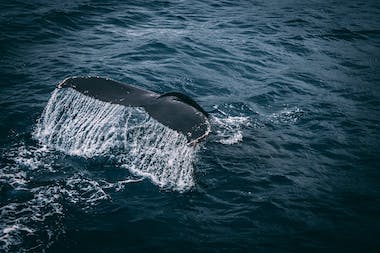
The oceans have reached their highest recorded temperature, surpassing the previous record set in 2016, according to the EU’s climate change service Copernicus.

Blue LEDs have revolutionized lighting and visual displays, enhancing fan experiences and transforming landmarks with stunning light shows. Ongoing research and development promise even more advancements in LED technology.

Hotels are using technology like monitoring devices and trained dogs to detect and prevent bedbug infestations.

Amazon is testing humanoid robots called Digit in its US warehouses to automate operations and “free up” employees, but critics argue that automation has already resulted in job losses and that Amazon treats its workers like robots.

Major online companies form coalition to combat fake reviews, sharing information and best practices to deter fraudsters.

India’s space ambitions are soaring, with plans to send an astronaut to the Moon, establish a space station, and explore Venus and Mars.

Netflix is raising its subscription prices in the UK despite recent success, as it aims to protect profits and deal with competition and delays in new releases.

19-year-old pianist Yunchan Lim, known as “classical music’s answer to K-pop,” has signed an exclusive record deal with Decca Records in the UK, choosing the label for its sound quality and work with legendary musicians.

Childhood obesity rates in England have slightly decreased, but remain higher than pre-pandemic levels, with a clear link between obesity and deprivation, according to new data from the National Child Measurement Programme.

Elon Musk’s social media platform, X, is introducing two new tiers of premium subscriptions, one with ads and one ad-free, as part of his efforts to combat bots and fake accounts.

Researchers at the University of Nottingham have developed a vegan cheese made from yellow split peas that is higher in protein and has a lower carbon footprint than conventional vegan cheese.

Nvidia and Foxconn have partnered to build “AI factories” that will be powered by Nvidia chips and used for various applications, allowing Nvidia to continue its growth in the AI market despite US restrictions on chip exports to China.

Hollywood actors are being advised to choose Halloween costumes that do not promote content made by studios they are in dispute with due to the ongoing strike.

Republican Senator Chuck Grassley has gained the nickname “ultimate matchmaker” after 20 of his staff members got married after meeting in his office, sparking both congratulations and criticism.

Chinese electric car maker BYD is emerging as a strong competitor to Tesla, with its shares jumping after it announced expected third-quarter profits to more than double compared to last year.

Australia’s Hologram Zoo is just the beginning of a hologram revolution that could transform industries like entertainment, retail, and medicine.

Scientists discover five new species of soft-furred hedgehogs in South East Asia, highlighting the importance of protecting rainforest ecosystems.

The lack of a clear definition for AI has led to skepticism and confusion at CES 2024.

Rollercoaster at Universal Studios Japan comes to emergency stop, leaving riders dangling mid-air.

Potholes in the UK have hit a five-year high, costing drivers up to £500 million in repairs, prompting scientists to explore solutions such as self-healing roads and robots.

Colombian pop star Shakira settles tax fraud case with Spanish prosecutors, paying a €7.5m fine.

EU legal adviser recommends overturning ruling allowing Apple to avoid €13 billion in back taxes.

Ultra-processed foods raise health concerns, yet experts debate their direct impact on well-being.

Small businesses in the UK are turning to technology, such as alarm systems and cameras, to deter thieves as shoplifting continues to rise, costing retailers billions of pounds; however, financial constraints make it challenging for small businesses to invest in high-tech security measures.

The Arctic World Archive safeguards vital data in a remote vault, ensuring preservation for future generations.

Delegates at COP28 agree to launch a fund for climate-related damages, with immediate contributions totaling $400 million.

Virtual reality is transforming fire investigation training, enhancing analysis and understanding of fire behavior.

Carbios’ enzyme breaks down plastic waste, offering a potential solution to global plastic pollution.

The world’s largest iceberg, A23a, is finally on the move after being stuck for over 30 years, and its movement could disrupt wildlife and human activities.

The paiche, a giant freshwater fish, poses a threat to native fish stocks in the Bolivian Amazon, but has become a lucrative catch for local fishermen.

Microsoft’s AI head predicts advanced AI assistants with long-term memory within a year.