
K-pop Industry Navigates AI’s Role in Music Creation
The K-pop industry debates AI’s role in music, balancing innovation with the need for human creativity.



The K-pop industry debates AI’s role in music, balancing innovation with the need for human creativity.
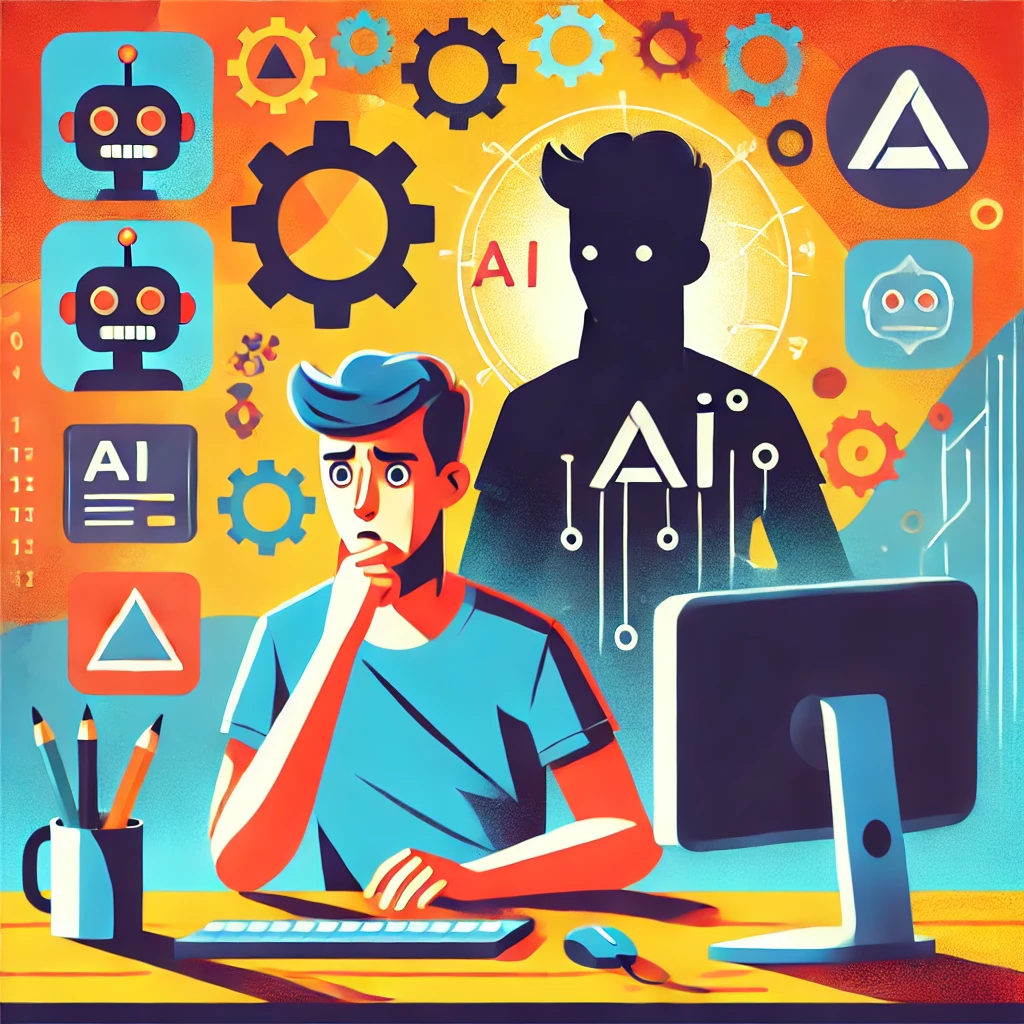
Developers fear AI’s rise may threaten jobs and diminish the unique creativity in gaming.
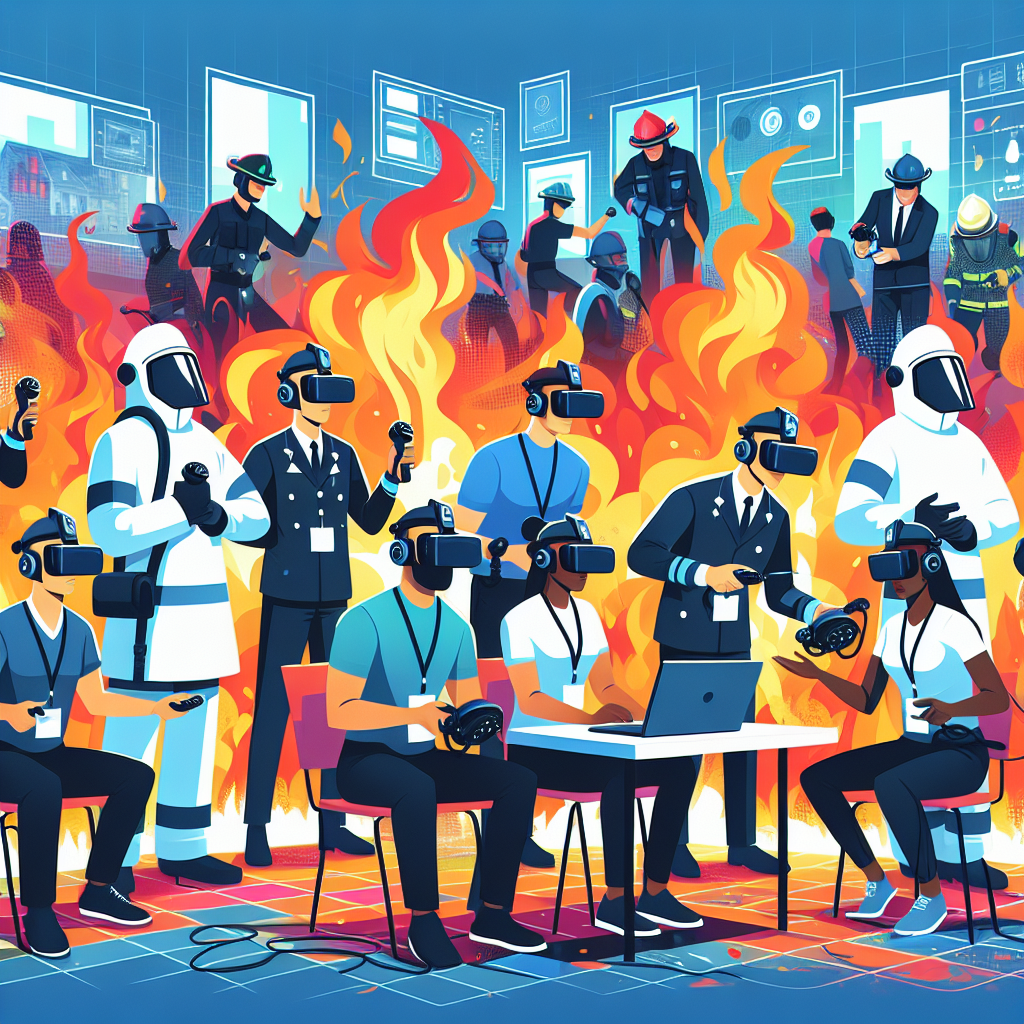
Virtual reality is transforming fire investigation training, enhancing analysis and understanding of fire behavior.
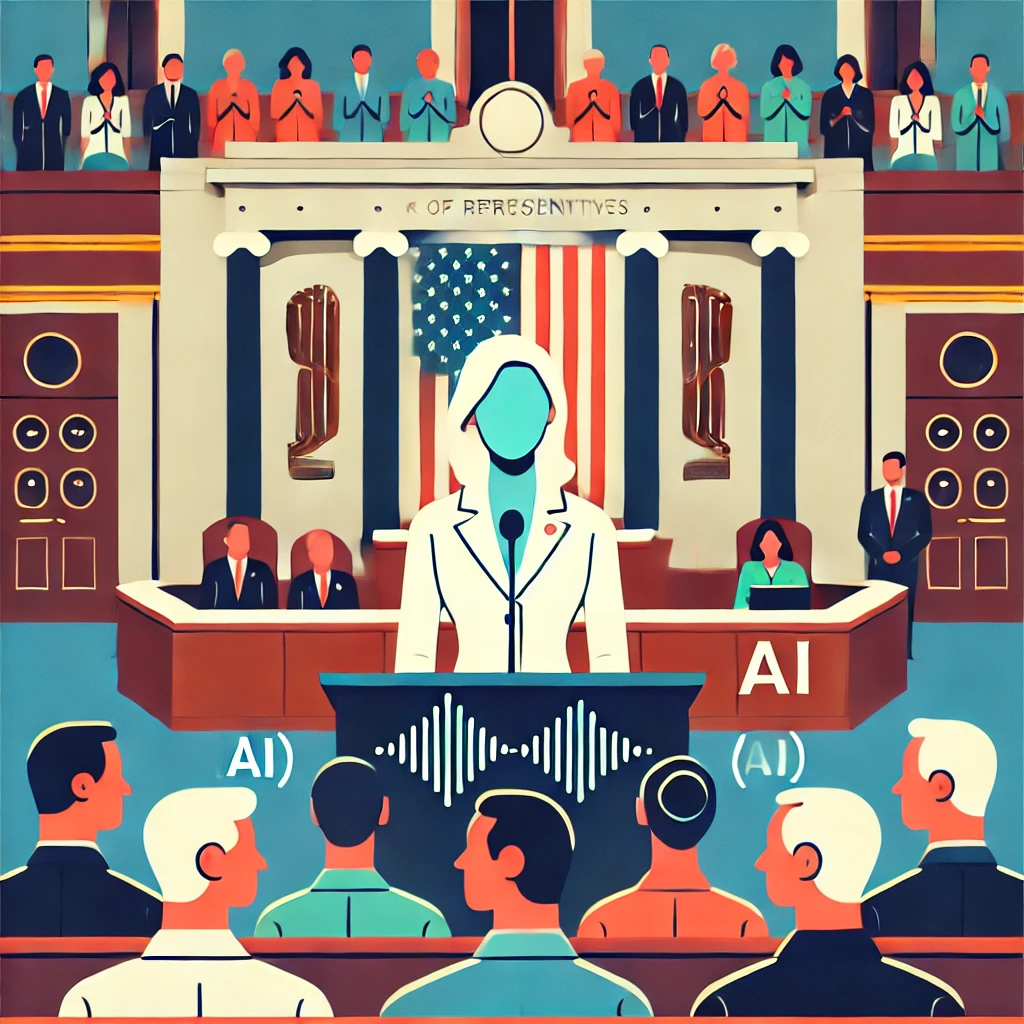
Congresswoman Wexton’s AI-generated speech marks a historic moment for accessibility in political communication.
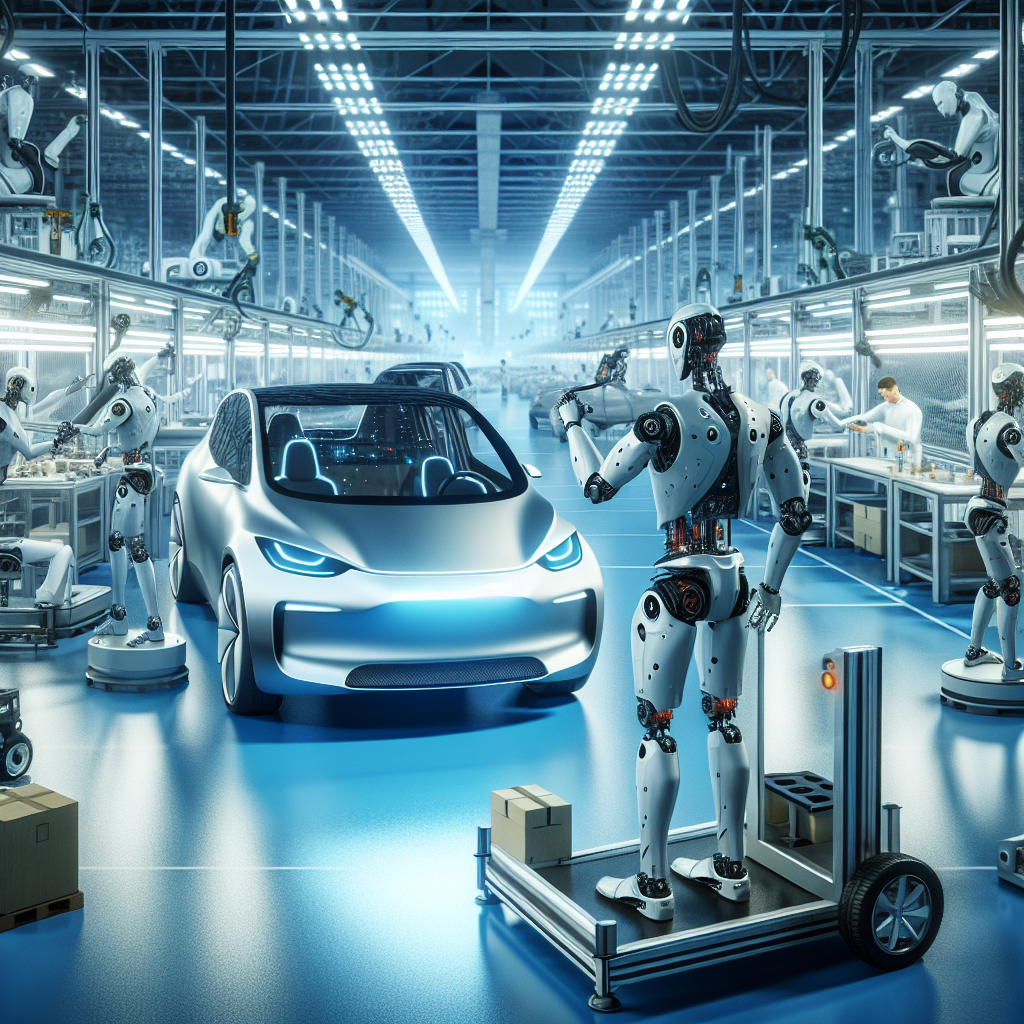
Tesla’s humanoid robots, named Optimus, aim to enhance efficiency amid declining electric vehicle demand.
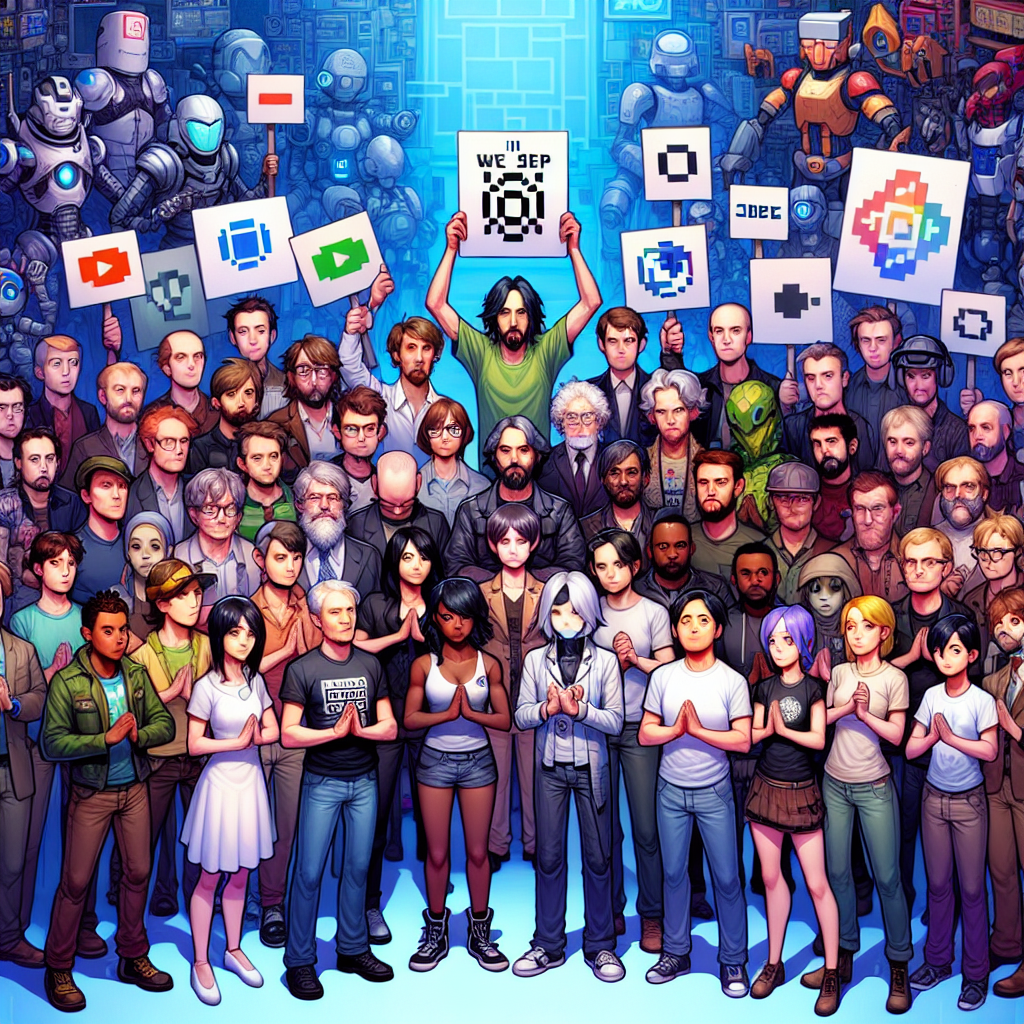
Hollywood performers strike against gaming giants over AI concerns, seeking fair protections and compensation.

OpenAI’s new search feature for ChatGPT aims to challenge Google’s search engine dominance.

Fans face soaring ticket prices in the US, prompting calls for reform and technological solutions.

Fast-food chains are ramping up promotions to attract budget-conscious customers amid rising prices and declining sales.
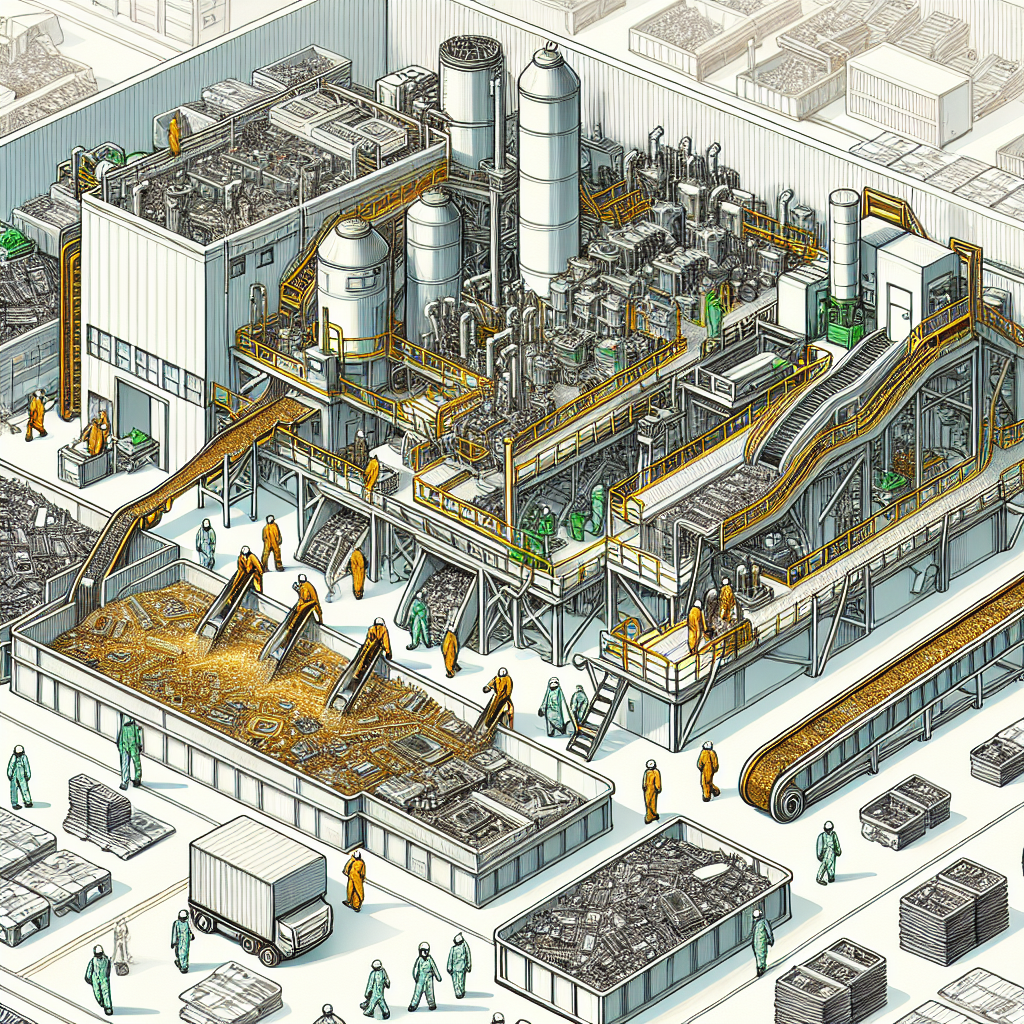
The Royal Mint innovatively transforms e-waste into gold, promoting sustainability while addressing a growing crisis.

AI is transforming how industries access instruction manuals, bridging knowledge gaps left by retiring workers.

Ultra-processed foods raise health concerns, yet experts debate their direct impact on well-being.

New Lancet report reveals eyesight and cholesterol as modifiable dementia risk factors, urging lifestyle changes.

The Great Barrier Reef faces unprecedented heat, prompting urgent calls for global climate action.
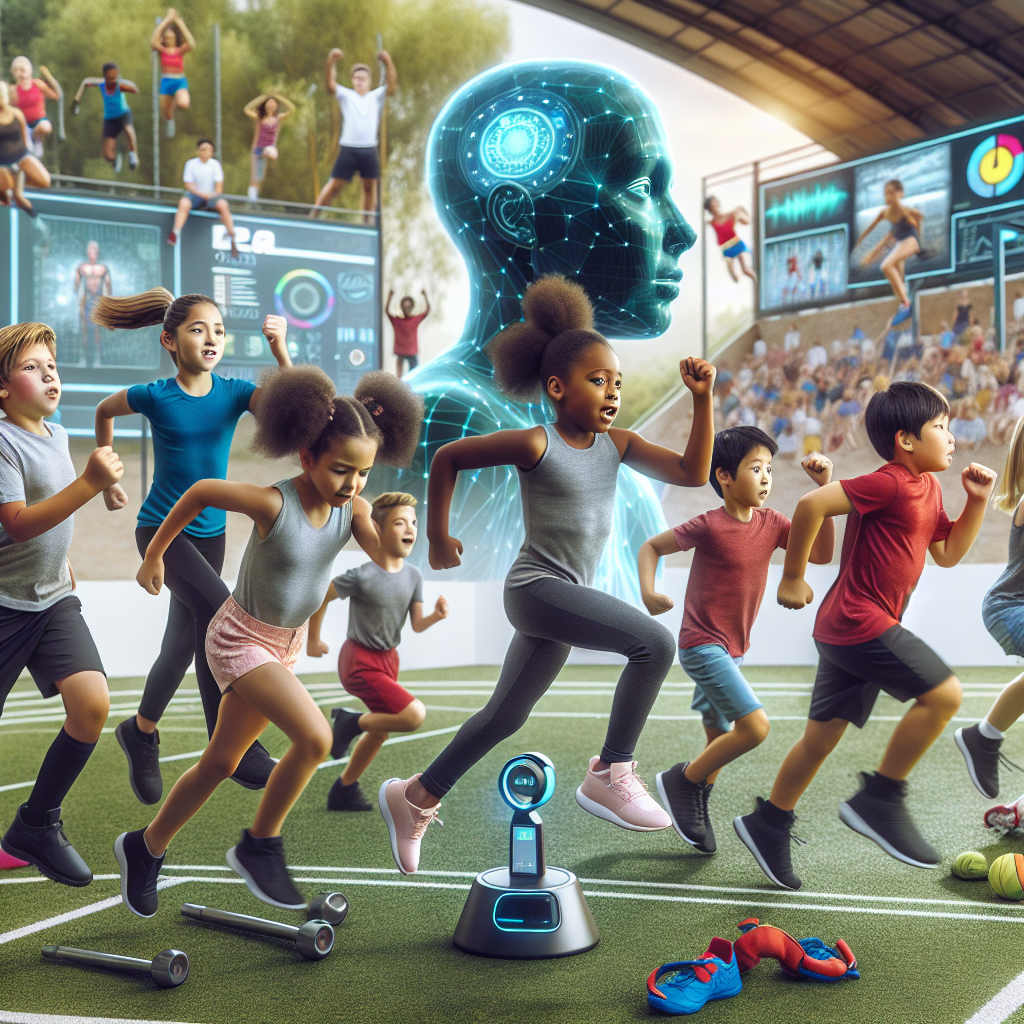
AI technology at the Paris Olympics aims to uncover athletic talent in underserved communities worldwide.

A Tulsa dog sparked a house fire, highlighting the dangers of pets and household electronics.
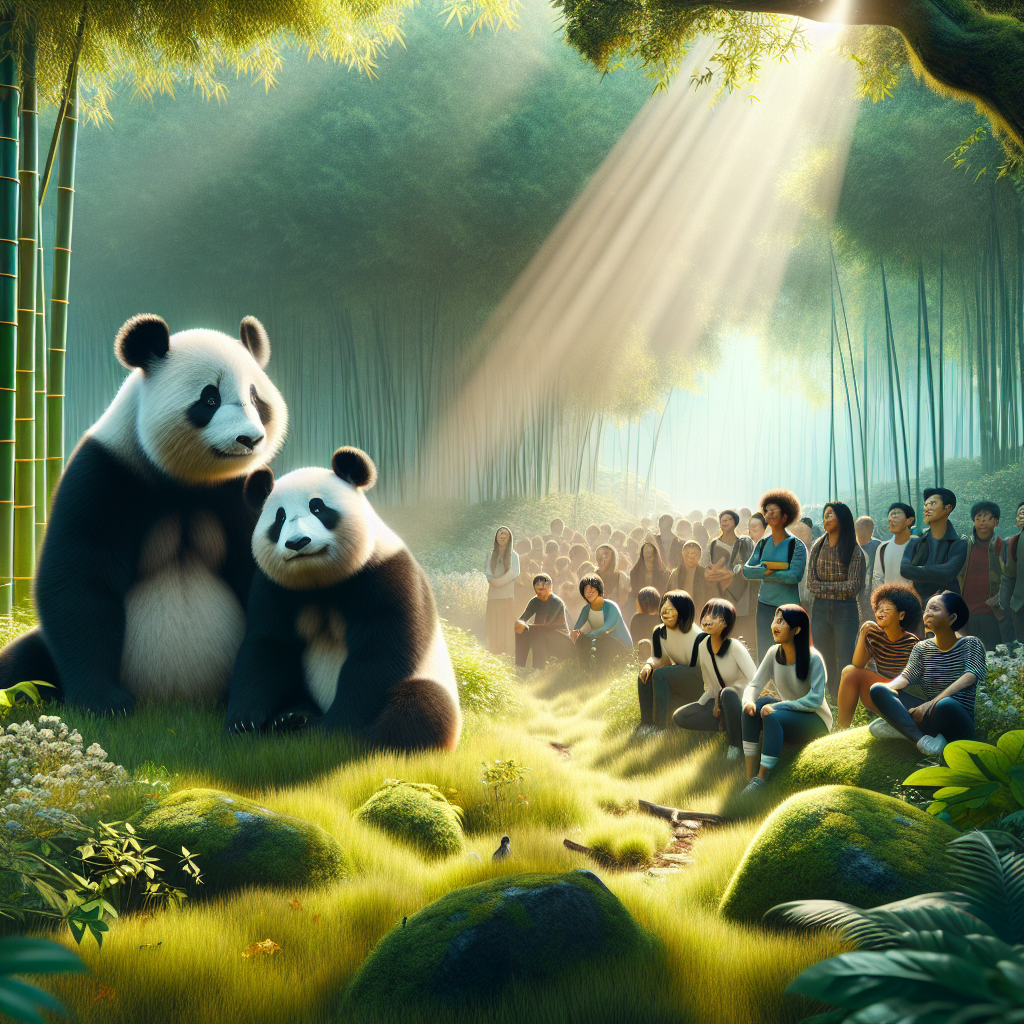
San Diego’s giant pandas symbolize wildlife conservation and strengthen international ties through panda diplomacy.

Japan warns of heightened earthquake risk, urging vigilance after a recent 7.1 magnitude quake.

Astronauts face unexpected extended stay on ISS due to Boeing Starliner issues, considering alternative return options.
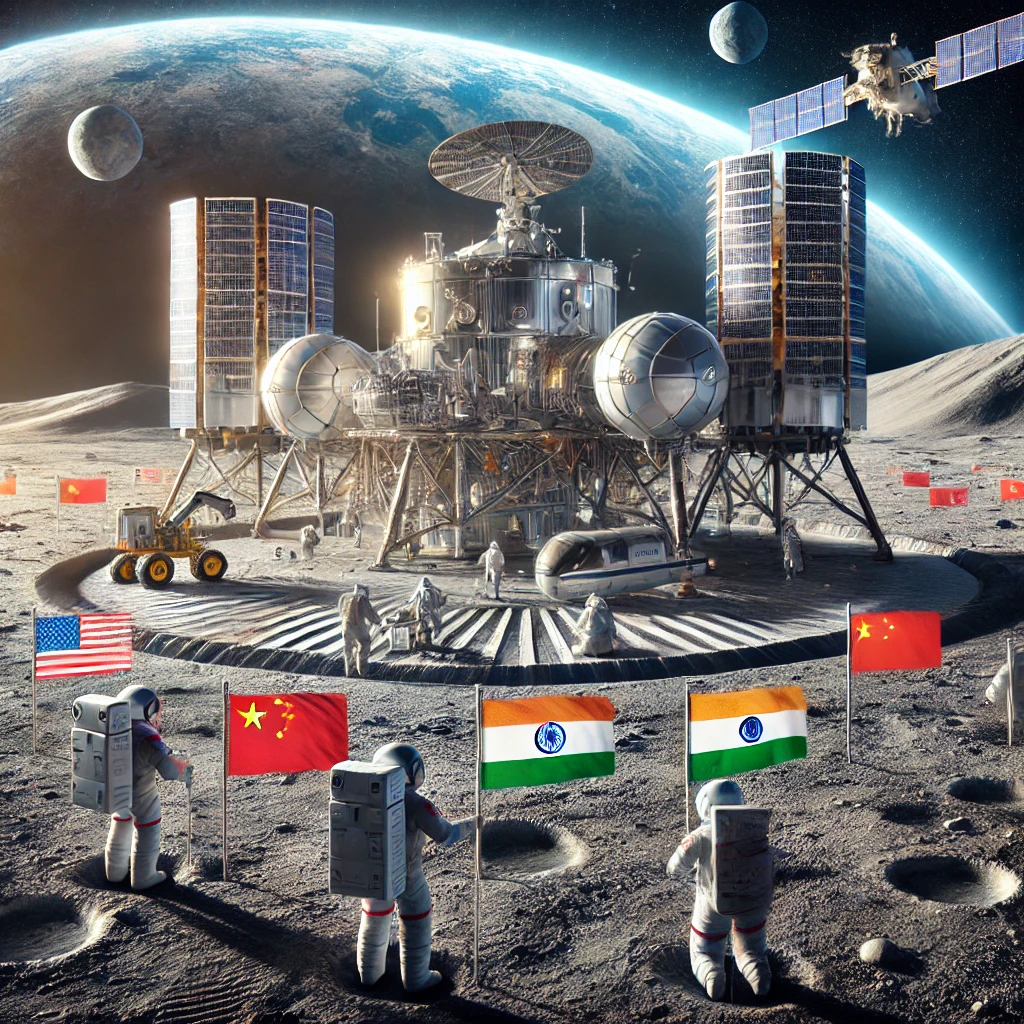
The race to exploit the Moon’s resources raises questions about ownership and the need for international cooperation.

Ghanaian MP Isaac Adongo apologizes to Harry Maguire for mocking him, but continues to criticize Vice-President Bawumia’s economic management.

China is conducting a trial of visa-free travel for citizens from six countries, aiming to promote international travel and business exchanges.

Ye Lin’s AI crocodile prank halted reservoir activities.
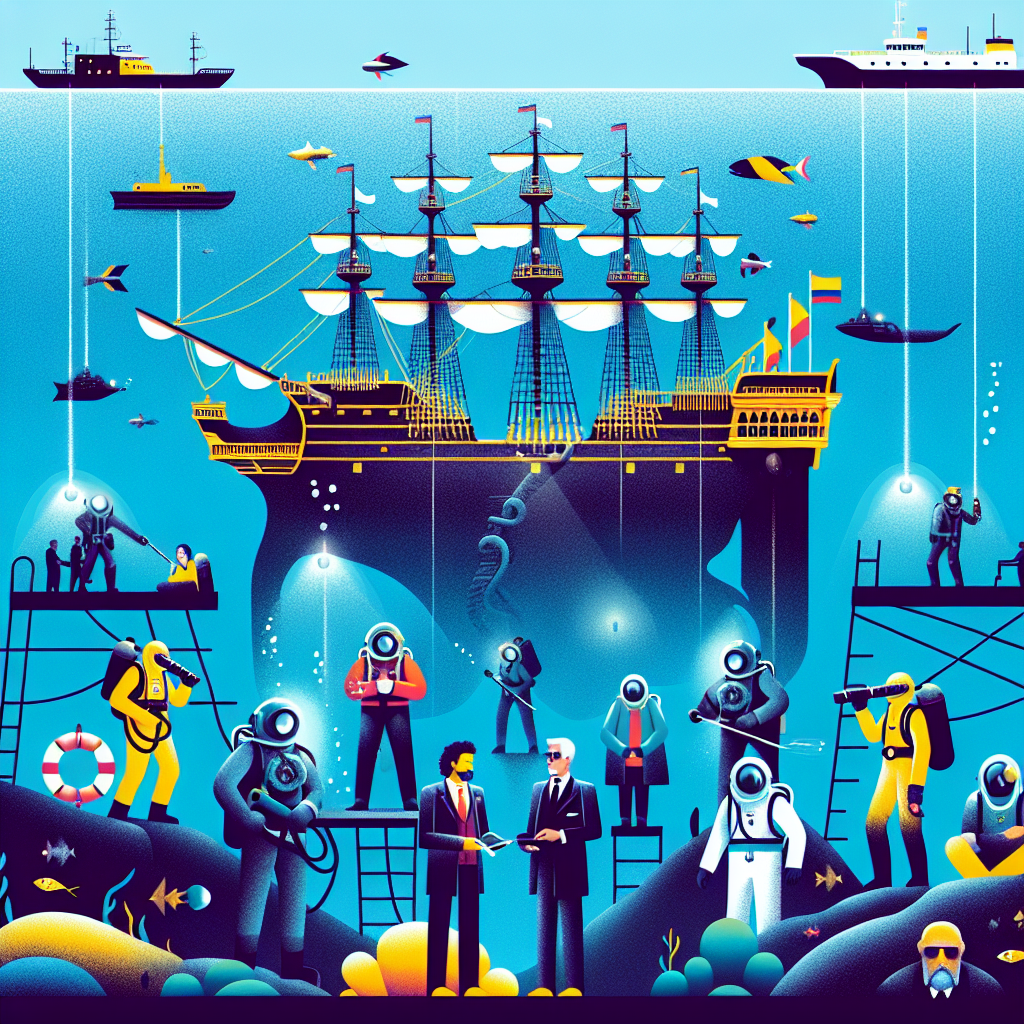
The battle over the ‘Holy Grail’ of shipwrecks, the Spanish galleon San José, rages on.

Delhi government considers cloud seeding to combat air pollution, but experts question its effectiveness and long-term impact.

Chinese electric car maker BYD is emerging as a strong competitor to Tesla, with its shares jumping after it announced expected third-quarter profits to more than double compared to last year.

Apple’s sales have continued to decline, with revenues dipping 1% to $89.5bn in the three months.

Rock band Kiss has used avatar technology developed for the Abba Voyage show to ensure their digital immortality, with plans for future concerts, rock operas, musicals, or adventures.

AI can predict hurricane landfall earlier and more accurately than traditional methods, but climate change may pose challenges.
AI is expected to impact nearly 40% of all jobs, worsening overall inequality, according to the IMF.

S&P 500 hits new record high on tech strength and economic optimism, signaling a bull market.

COP28 highlights concrete solutions to combat climate change, including reducing fossil fuel burning, increasing renewable energy use, switching to electric vehicles, and capturing carbon from the atmosphere.

The UK government plans a men’s health strategy to address significant health disparities and promote awareness.

Shipping firm AP Moller-Maersk is set to cut 3,500 more jobs due to lower freight rates and demand, signaling a slowdown in the global economy.
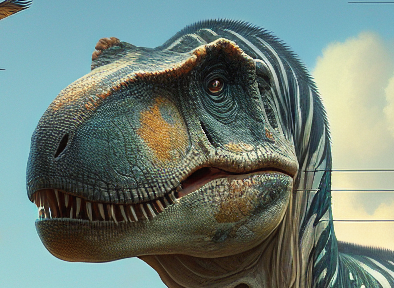
75-million-year-old tyrannosaur fossil reveals that juvenile tyrannosaurs had a more selective and dissecting feeding strategy compared to adults.